




RELATED: Buy America rules raising costs for U.S. transit systems?
FTA makes $226M in grants available to improve transit bus service
All projects must comply with Buy America regulations, which require that all iron, steel, or manufactured products be produced in the U.S., as well as final assembly of vehicles.
July 13, 2017
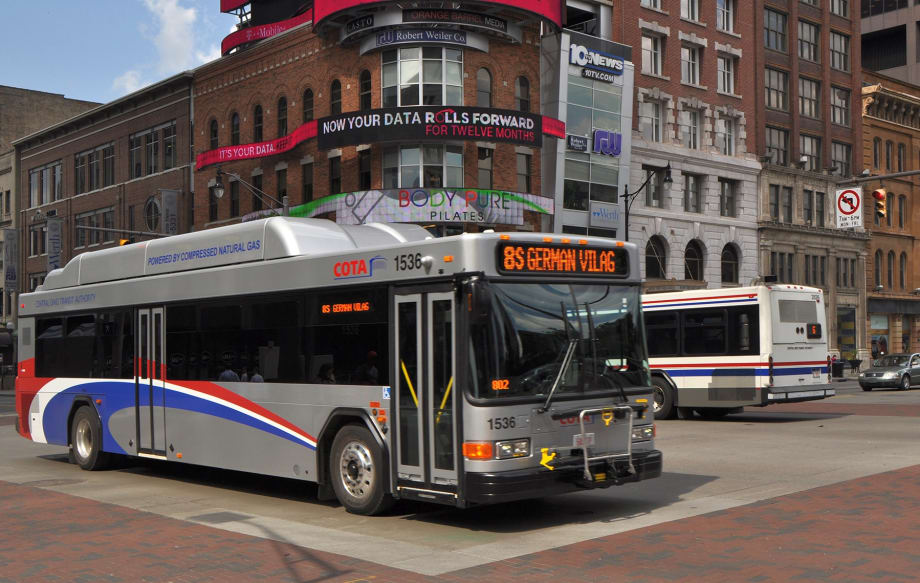
Transit providers nationwide face a maintenance backlog of nearly $90 billion, including 10,000 buses estimated to be in poor or marginal condition.
COTA
2 min to read
Transit providers nationwide face a maintenance backlog of nearly $90 billion, including 10,000 buses estimated to be in poor or marginal condition.
COTA
The Federal Transit Administration (FTA) announced the opportunity to apply for approximately $226.5 million in competitive grant funding for transit bus projects nationwide. The Grants for Buses and Bus Facilities Infrastructure Investment Program is authorized by Congress to improve the condition of bus infrastructure nationwide by funding the replacement and rehabilitation of buses and related facilities. The application period will close on August 25.
“Transit buses account for more than five billion passenger trips every year, providing vital connections to jobs and economic opportunities,” said FTA Executive Director Matthew Welbes. “These grants will help more communities bring their transit infrastructure into a much-needed state of good repair.”
All projects must comply with Buy America regulations, which require that all iron, steel, or manufactured products be produced in the U.S., as well as final assembly of vehicles. Eligible projects include those that replace, rehabilitate, lease and purchase buses and related equipment, as well as projects to purchase, rehabilitate, construct, or lease bus-related facilities, such as buildings for bus storage and maintenance.
Projects will be evaluated by criteria outlined in the Notice of Funding Opportunity. The program allocates a minimum of 10% — $22.6 million — to rural bus needs.
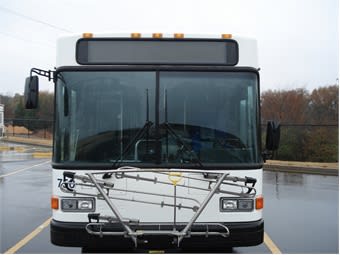
Athens Transit
According to U.S. DOT’s latest Conditions & Performance Report, transit providers nationwide face a maintenance backlog of nearly $90 billion, including 10,000 buses estimated to be in poor or marginal condition.
FTA will award the Bus Infrastructure grants to designated recipients, states, or local governmental entities that operate fixed-route bus service and Indian tribes. Projects will be evaluated by criteria outlined in the Notice of Funding Opportunity. The program allocates a minimum of 10% — $22.6 million — to rural bus needs.
Federal public transportation law (49 USC § 5339(b)), as amended by the FAST Act, authorizes FTA’s competitive Grants for Buses & Bus Facilities Program through FY2020.
More Bus

People Movement: Dan Dipert Coaches Adds Third-Generation Leader, Keolis Names New Valley Metro VP/GM, and More
In this edition, we also cover recent appointments and announcements at the Wabtec, SilverRide, HNTB, and more, showcasing the individuals helping to shape the future of transportation.
Read More →
New York MTA Plans Largest Bus Fleet Upgrade in More Than a Decade
The agency is seeking manufacturers for 650 new CNG buses to replace aging vehicles, improve reliability, and advance its broader fleet modernization strategy.
Read More →
Building a Flexible Path to Transit Electrification
John Hroncich discusses BAE Systems’ modular and scalable approach, lessons learned from decades of real-world operations, and how agencies can identify electrification strategies that fit their fleets.
Read More →
Bus Tech Talk: Keeping Transit Technicians Ahead of the Technology Curve
LA Metro’s Obed Mejia discusses technician training, evolving maintenance technology, fleet replacement, and strategies for getting the most out of today’s transit fleets.
Read More →
Biz Briefs: RIPTA Unveils New Frontrunners, Clevland RTA Adds New Siemens, and More
In METRO's latest installment, we take a look at recent news from Siemens, Prevost, Dodge, and more partnerships making headlines across the transportation sector.
Read More →
People Movement: Holly Arnold Joins Transdev and More
In this edition, we also cover recent appointments and announcements at Pace, CamTran, MCI, and more, showcasing the individuals helping to shape the future of transportation.
Read More →
The High Cost of Transit Buses: Industry Leaders Look to Procurement Reform
Transit leaders and policymakers examine how standardized bus designs, streamlined procurement, and predictable funding could help agencies stretch budgets and deliver better service.
Read More →
The Business Voice Behind Public Transportation
As chair of APTA’s Business Members Board of Governors, Ray Melleady explains how more than 850 business members are partnering with transit agencies to advance funding, innovation, and industry-wide collaboration.
Read More →
From Surviving to Thriving: Building Stronger Transportation Organizations
Bus Business Consultants founder Brian Dickson shares lessons on leadership, organizational health, and creating options for long-term success in a changing transportation industry.
Read More →
Finding the ‘Happy Medium’: Optimizing Maintenance Without Sacrificing Reliability
The key to maintenance optimization isn’t doing less work—it’s doing the right work at the right time on the right assets.
Read More →