




RELATED: LaFrance, local transit agencies forge partnerships, reap benefits
S.C.'s The COMET adds 31 new vehicles
The COMET has a total of 50 fixed-route vehicles and all but eight will have been replaced within the last three years.
September 19, 2017
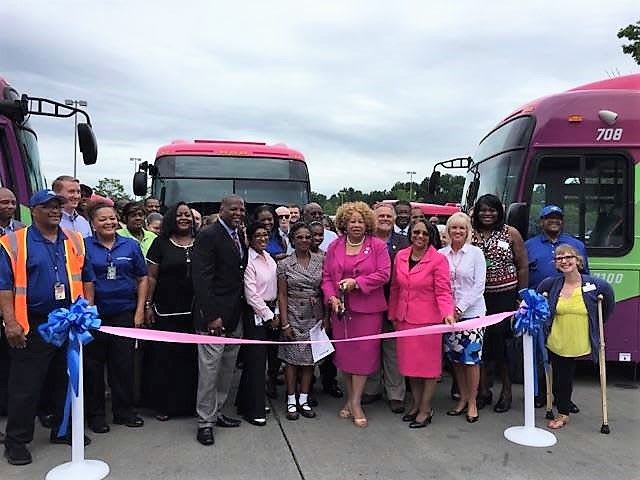
The COMET is celebrating the 125th Anniversary of transit services in the Midlands. Last month, the agency was presented with the “Spare the Air Award” by the Department of Health and Environmental Control.
Photos courtesy The COMET
2 min to read
The COMET is celebrating the 125th Anniversary of transit services in the Midlands. Last month, the agency was presented with the “Spare the Air Award” by the Department of Health and Environmental Control.
Photos courtesy The COMET
Columbia, S.C.’s The COMET recently had a ribbon cutting to commemorate the arrival of 31 new vehicles. The COMET has a total of 50 fixed-route vehicles and all but eight will have been replaced within the last three years. During the spring and early summer months, the agency also received eight new propane-powered small vehicles and 15 35-foot New Flyer buses. Within the last month, eight additional 40-foot New Flyer buses have also arrived on the property.
By the end of October, the Bluebird buses purchased for the fledgling regional transit authority back in 2002 will all have been replaced. The COMET also replaced the entire DART (ADA paratransit) fleet with 21 new vehicles back in 2016.
“This is a milestone for The COMET because we are fulfilling the promises made to the Citizens when the Richland County Penny Transportation Sales Tax was passed,” says Ann August, The COMET’s interim executive director. “I am extremely excited about the upgraded technologies on the new vehicles, and cannot wait to get the old ones off the streets. These new buses will be a breath of fresh air, with its new color scheme as they provide a sense of pride within the communities we serve. We want everyone to know that Public Transit Matters.”
The Penny
The celebration was possible because of the funding provided by the Richland County Transportation Penny Sales Tax that was voted on by the residents of Richland County back in 2012. The COMET receives one-third of the penny that allots $390 million, or 22 years, whichever comes first. If it was not for the penny, the agency would be cutting routes not ribbons.
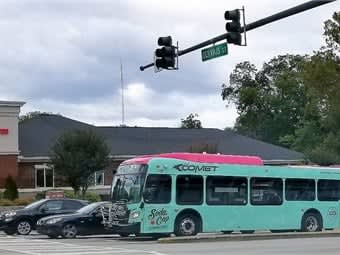
The COMET has a total of 50 fixed-route vehicles and all but eight will have been replaced within the last three years.
The funding allowed The COMET to leverage the federal funds available to them to purchase the new buses. The new buses now provide Wi-Fi, cell phone chargers, the ability to pay fares with their phones, and much more. The ability to have their needs met as well as enjoy the extra benefits provided on the bus is a real plus to the passengers.
The COMET is celebrating the 125th Anniversary of transit services in the Midlands. Last month, the agency was presented with the “Spare the Air Award” by the Department of Health and Environmental Control.
“This is a special year, as we are celebrating the past; all while increasing the growth of transit in the Midlands,” August added. “We cannot improve the transit experience without improving the quality of our buses and customer services; that meets the needs of our passengers, all while being friendly to the environment.”
More Bus

More Than a Summer Job: Building the Next Generation of Transit Talent
The Delaware River Port Authority and PATCO have transformed their internship program into a hands-on professional development experience that introduces students to the breadth of transportation careers — and creates a pipeline for future employees.
Read More →
LA Metro Board Awards 220 Battery-Electric Bus Contract to ENC
The contract, which is the largest base award of battery-electric buses by a U.S. transit agency, will be built in Southern California, sustaining good jobs as LA prepares to welcome the world in 2028
Read More →
Public Transit Conference Returning to GFX in 2027, Call for Papers Now Open
The Call for Papers is now open, allowing transit agency professionals and industry experts to help shape the PTC educational program by submitting session ideas for consideration.
Read More →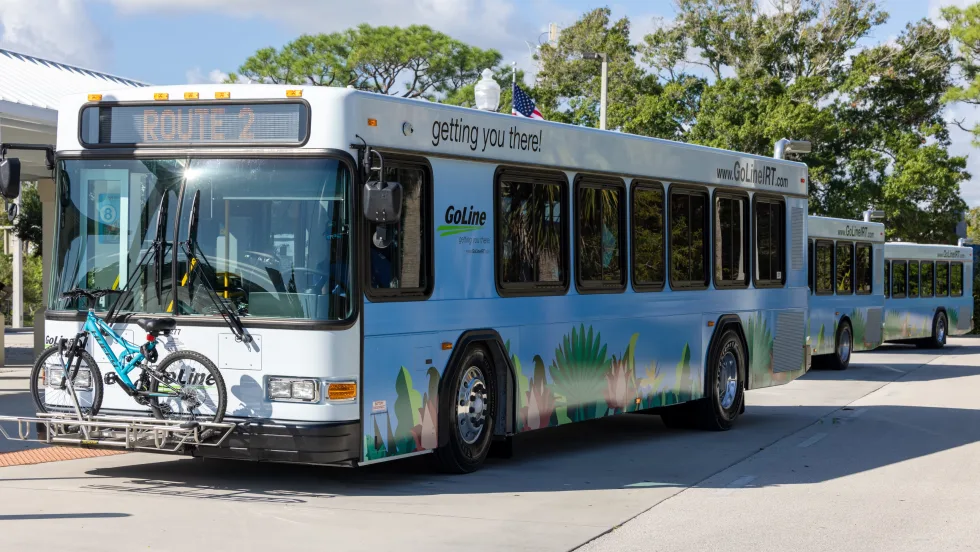
Indian River Transit’s Community-Focused Approach Earns National Recognition
Named APTA’s 2026 Outstanding Public Transportation System in its size category, Florida’s Indian River County transit system continues to grow ridership through fare-free service and a focus on evolving community needs.
Read More →
ENC Lands MATA Contract and More in Biz Briefs
In this edition of Biz Briefs, we spotlight the latest developments shaping the future of mobility.
Read More →
From Surviving to Thriving: Building Stronger Transportation Organizations
Bus Business Consultants founder Brian Dickson shares lessons on leadership, organizational health, and creating options for long-term success in a changing transportation industry.
Read More →
Everett Transit, Community Transit Outline Consolidation Agreement
The proposed agreement calls for a 50% increase in bus service in Everett, a new microtransit zone, continued paratransit service, and the transfer of Everett Transit operations to Community Transit.
Read More →
SEPTA Details Accelerate Vision for Transit System
The plan outlines investments in trolley modernization, new Metro and Regional Rail vehicles, accessible stations, and more frequent bus and rail service.
Read More →
Report: Transit Bus Manufacturing Supports 34,100 Jobs, $5.1B in GDP
The “Buses Mean Business” report examines the transit bus manufacturing industry’s economic footprint, supply chain, and rising demand for vehicle replacements.
Read More →
Biz Briefs: New Flyer Delivers in Columbus, Houston, Beep and Freebee Merge, and More
In this edition of Biz Briefs, we spotlight the latest developments shaping the future of mobility.
Read More →