



FMCSA seeking comments on revising financial responsibility levels
An April 2014 Report to Congress found that while catastrophic motor carrier crashes are rare, the costs for resulting severe and critical injuries can exceed $1 million; current insurance limits do not adequately cover these costs, which are primarily due to increases in medical expenses and other crash-related costs.

The Federal Motor Carrier Safety Administration (FMCSA) issued an Advance Notice of Proposed Rulemaking (ANPRM) seeking comment from the public, liability insurance providers, motor carriers, brokers, and freight forwarders on the safety and financial impacts of revising minimum levels of financial responsibility.
The Federal Government has long required motor carriers to maintain certain levels of financial responsibility, either through insurance, a bond or other financial security, as a means to protect the public in the event of a crash.
An April 2014 report to Congress found that while catastrophic motor carrier crashes are rare, the costs for resulting severe and critical injuries can exceed $1 million; current insurance limits do not adequately cover these costs, which are primarily due to increases in medical expenses and other crash-related costs.
To provide a basis for proposing changes to insurance rules and estimating those impacts in the future, the FMCSA is seeking additional information on 26 questions. Whenever possible, commenters should provide data in support of their responses.
FMCSA recognizes that an individual commenter may choose to respond to all of the issues or only a subset, based on his or her interest or area of expertise. To view a copy of the ANPRM and instructions for submitting comments, click here.
More Management
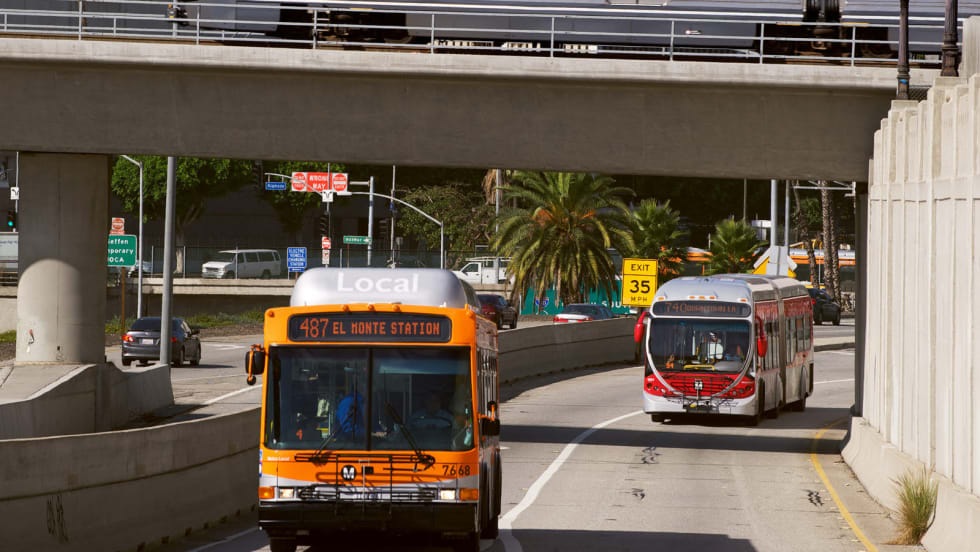
New Tricks for Old Bureaucracies: Joshua Schank on Making Transit Innovation Stick
Former LA Metro Chief Innovation Officer Joshua Schank discusses why good ideas aren't enough, how transit agencies can overcome resistance to change, and why today's challenges demand more innovation.
Read More →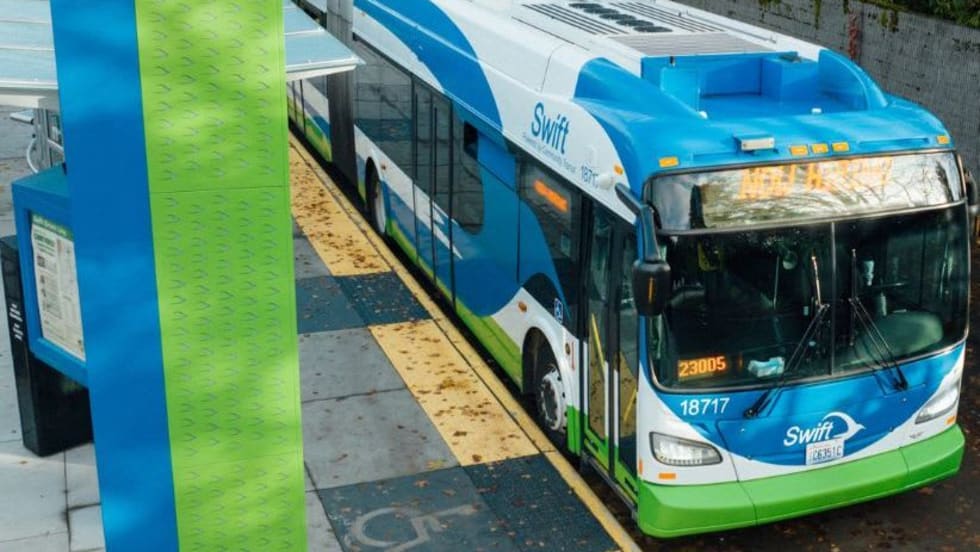
Washington's Community Transit Sets Six-Year Roadmap for Growth, Expansion
Approved TDP targets more bus service, new mobility options, Swift BRT expansion, and a potential Everett Transit annexation.
Read More →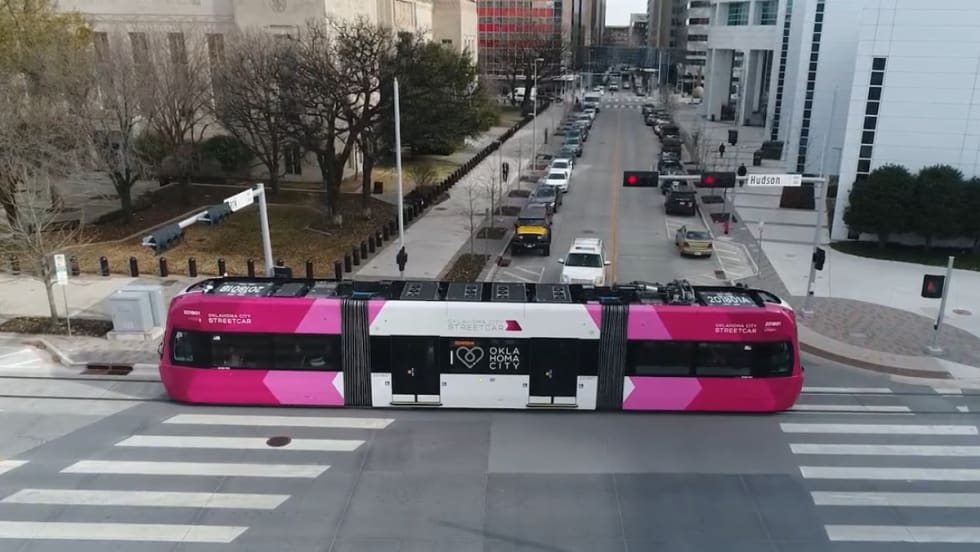
OKC Streetcar Makes Zero-Fare Service Permanent
Ridership increased an average of 71% compared with the same period a year earlier during the fare-free pilot.
Read More →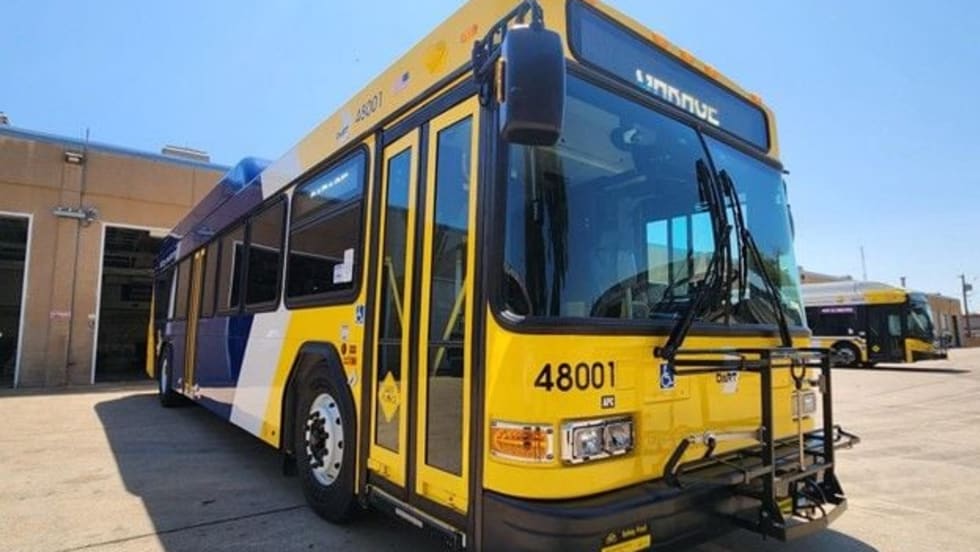
DART Customer Satisfaction Reaches Six-Year High
Overall satisfaction rose to 74.9%, while the agency’s Net Promoter Score reached a record 33.7.
Read More →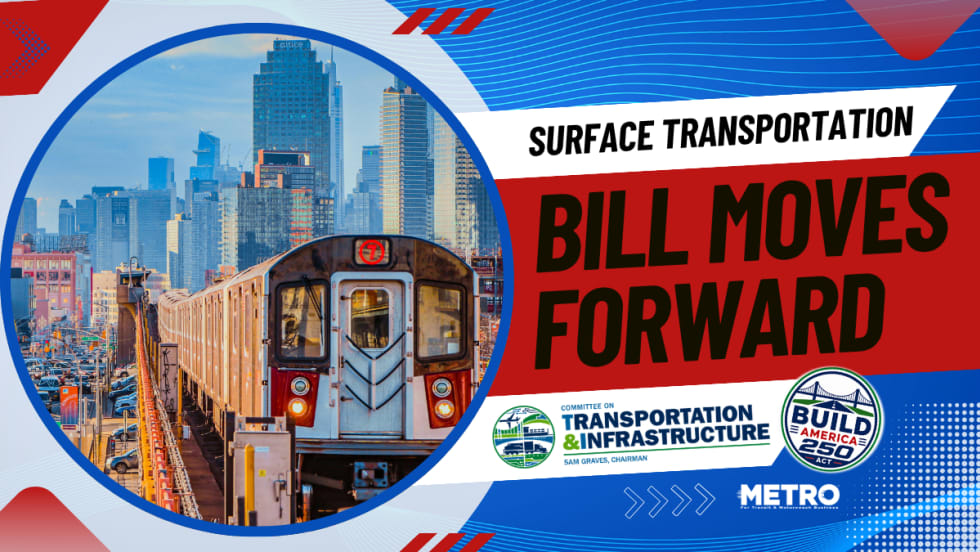
House Surface Transportation Bill Advances as Transit Funding Debate Intensifies
A bipartisan transportation package moving through Congress could redefine how the U.S. funds highways, transit, and motorcoach travel, while igniting new fights over electrification, regulation, and federal priorities.
Read More →
How Data, Strategy, and Community Engagement Are Reshaping Transit
In this edition of METROspectives, strada360 CEO Steve Lassey discusses how transit agencies can better align planning with operations, leverage data to improve decision-making, and build public trust as they prepare for the future of mobility.
Read More →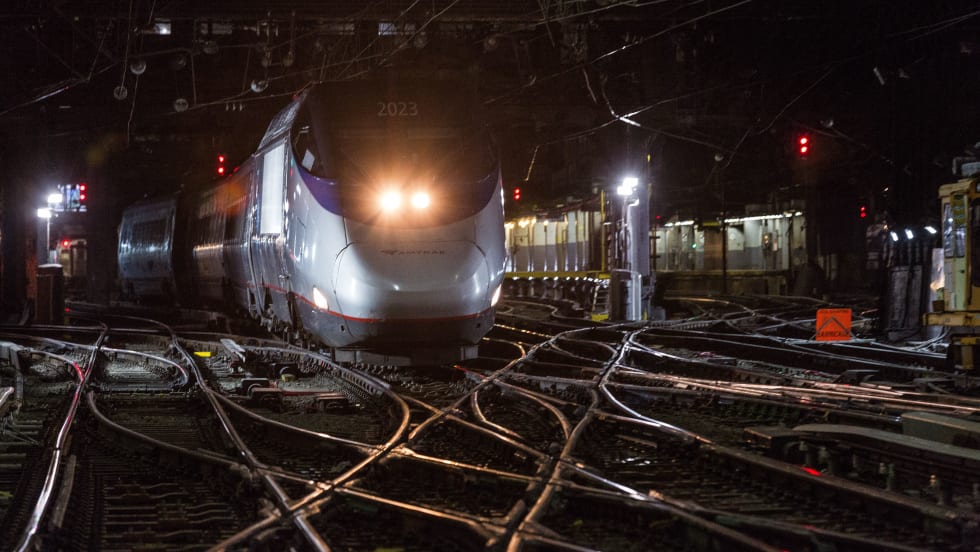
Amtrak Board Advances Plan to Restructure Organization, Seeks Public Input
The proposal, developed by Amtrak management and approved by the board for further consideration, is intended to modernize the organization's structure while improving accountability, operational efficiency, and customer service.
Read More →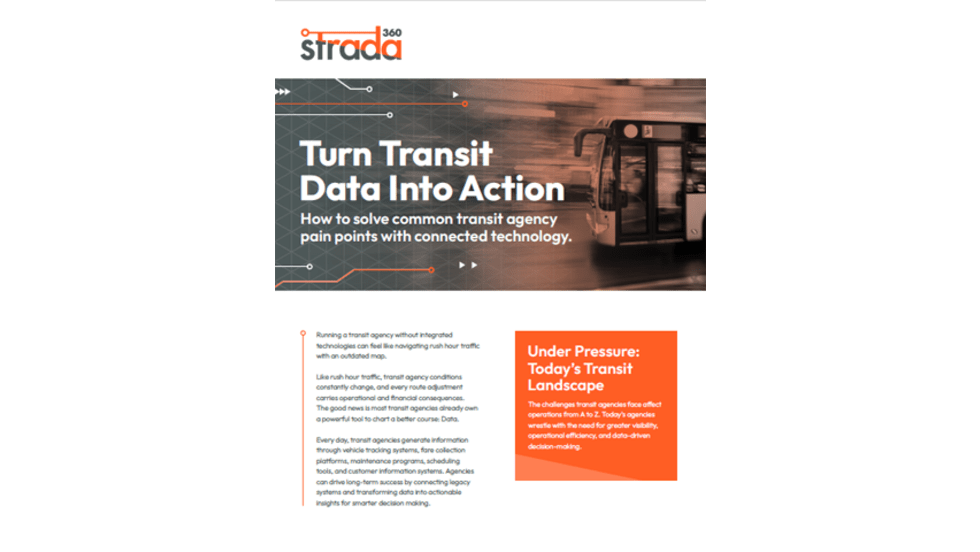
Turn Transit Data Into Action
Discover how leading agencies are using connected technology to gain real-time visibility across operations, improve service reliability, and reduce disruptions.
Read More →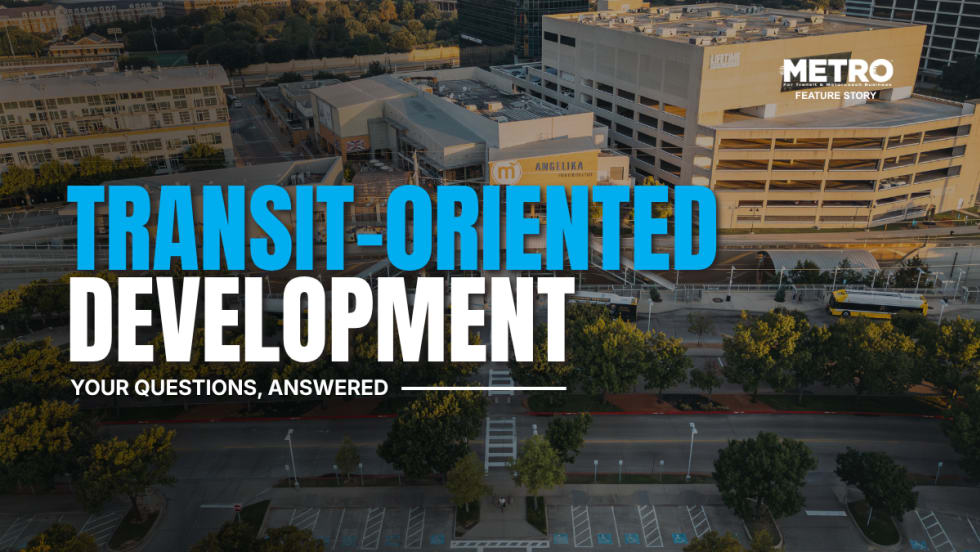
What Transit-Oriented Development Means for the Future of Public Transportation
Once viewed primarily as transit operators, agencies are now leveraging land, partnerships, and long-term planning to boost ridership, expand housing, and strengthen communities.
Read More →
USDOT Announces $22 Million for Transit Innovation, Updates High-Speed Rail Rules
New federal transit funding will support safety, accessibility, and technology projects as updated rail regulations establish new noise standards for high-speed trains.
Read More →