



Foxx sends 6-year transportation bill to Congress
As lawmakers try to fund transportation beyond May 31, GROW AMERICA provides members of the House and Senate with the option of increasing investment in surface transportation by 45%, and supporting millions of jobs repairing and modernizing roads, bridges, railroads and transit systems in urban, suburban and rural communities.

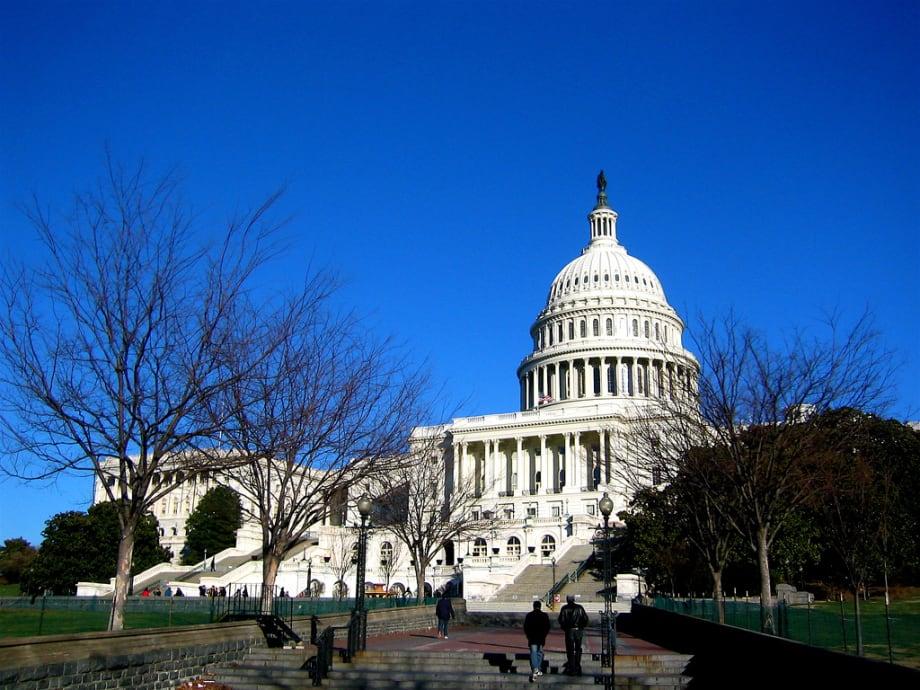
Elliot P
Elliot P
U.S. Transportation Secretary Anthony Foxx sent a long-term transportation bill to Congress that provides funding growth and certainty so that state and local governments can get back in the business of building things again.
The GROW AMERICA Act reflects President Obama’s vision for a six-year, $478 billion transportation reauthorization bill that invests in modernizing America’s infrastructure. As lawmakers try to fund transportation beyond May 31, GROW AMERICA provides members of the House and Senate with the option of increasing investment in surface transportation by 45%, and supporting millions of jobs repairing and modernizing roads, bridges, railroads and transit systems in urban, suburban and rural communities.
“Our proposal provides a level of funding and also funding certainty that our partners need and deserve,” said Foxx. “This is an opportunity to break away from 10 years of flat funding, not to mention these past six years in which Congress has funded transportation by passing 32 short-term measures.”
A recent study by the U.S. Department of Transportation, “Beyond Traffic,” confirmed that America’s infrastructure is failing. Drivers spend more than 40 hours annually stuck in traffic. Sixty-five percent of the roads they drive on are in less than good condition; one out of four bridges they cross needs to be replaced; and public transit faces an $86 billion repair backlog.
The report also revealed that, over the next 30 years, Americans will ask more of our transportation system than ever before. The country’s population will grow by 70 million; freight traffic will increase by 45%.
The GROW AMERICA Act will chart a new course. For one, it will increase investment in all forms of transportation, which will restore the ability of states and local governments to plan for both needed repairs and efforts that increase capacity to meet future demand. Additionally, the proposal ensures that taxpayer dollars are used more effectively and efficiently, and brings federal transportation policy into the 21st century. It will:
Increase safety across all modes of transportation, including by almost tripling the budget of the National Highway Traffic Safety Administration’s automobile defects office.
Establish an $18 billion freight program so American businesses can compete effectively in a global economy and grow.
Increase connections so that more Americans have access to jobs and education, including by raising transit investment by 76%.
Put in place a transparent and clear permitting process to speed up project delivery.
Increase innovative financing by strengthening Transportation Infrastructure Finance and Innovation Act and Railroad Rehabilitation and Improvement Financing loan programs, by making more Private Activity Bonds available, and by nearly doubling funding for our TIGER grant program.
Empower local government by providing more funding to high-performing Metropolitan Planning Organizations.
More Management

LIT Marks 10-Year Milestone at Annual Summit
Hosted by the COTA from September 10 to 13, the Summit carried the theme “Celebrating 10 Years of Excellence, Leadership, and Impact,” with every part of the program honoring the people, agencies, and partners who built LIT over its first decade.
Read More →
People Movement: Dan Dipert Coaches Adds Third-Generation Leader, Keolis Names New Valley Metro VP/GM, and More
In this edition, we also cover recent appointments and announcements at the Wabtec, SilverRide, HNTB, and more, showcasing the individuals helping to shape the future of transportation.
Read More →
METRO Opens Submissions for 2026 Motorcoach Awards
Nominations are now being accepted for METRO Magazine’s Operator of the Year and Innovative Operator of the Year awards.
Read More →

New York MTA Advances Final Contract for Second Avenue Subway Expansion
Contract Four is the largest in the Second Avenue Subway Phase 2 project and includes construction of station infrastructure, tracks, and signals for the subway expansion, MTA officials said. Work on Contract Four will begin in 2027.
Read More →
Transit Agencies Highlight Safety Gains at National Summit
Leaders from 15 major transit systems shared crime-reduction results and safety initiatives while discussing the role of continued federal support.
Read More →
NITA Names New Leadership, Expands Reduced-Fare Program at First Board Meeting
The new regional transit authority appointed its first board chair and interim executive director while extending reduced fares across CTA, Metra, and Pace for eligible riders.
Read More →
Beyond the Checklist: A Structured Approach to Transit Maintenance
Reliability-Centered Maintenance helps transit agencies move beyond routine checklists to focus limited resources on the assets and failures that have the greatest impact on safety, reliability, and service.
Read More →
APTA 2026 Nominating Committee Selects Leadership Slate, Names Chair and Vice Chair Nominees
Leadership changes will help shape the association’s priorities and its representation of the transportation industry during the 2026–2027 term.
Read More →
DART Launches Major Security, Fare Enforcement Initiative
The 90-day demonstration will deploy coordinated security teams at five light rail stations while testing controlled access and gathering data to guide future investments.
Read More →
Advancing Fare Collection Through Technology and Innovation
Learn about delivering 1300 gates at 91 stations while managing fare evasion. Explore the large scale deployment, solution customization and real-world results that affect the region. Prepare for deployment in your region now.
Read More →