



Bus Coalition letter asks Trump for bus funding in infrastructure plan
The letter, which was signed by 285 bus transit systems from 49 states, includes many systems from less populated areas that have seen a decline in federal resources and face a growing backlog of older buses and facilities.

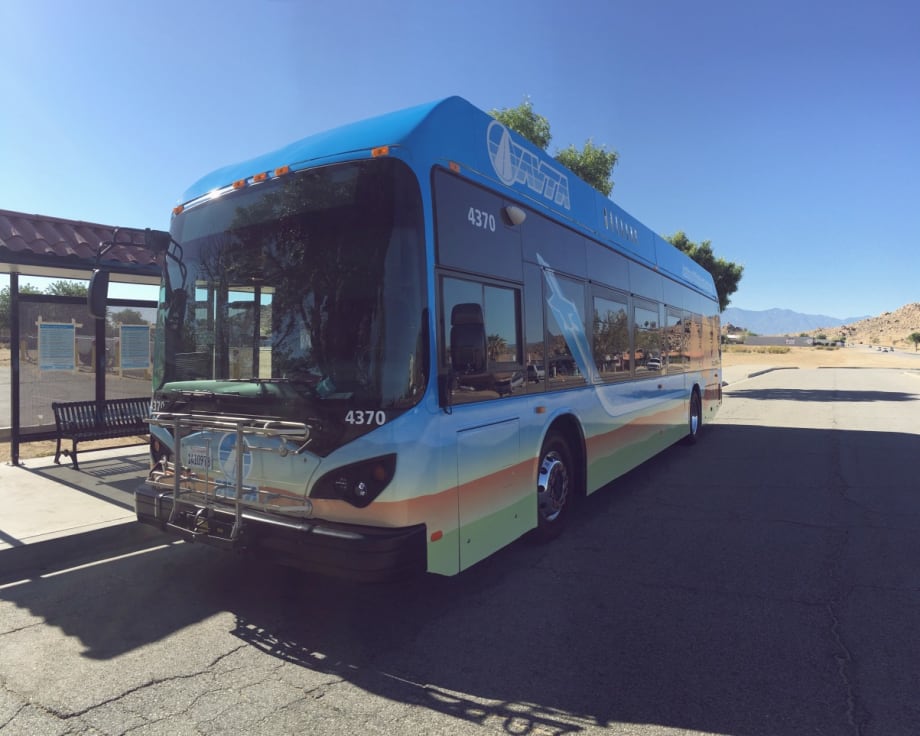
AVTA

The Bus Coalition®, a broad coalition comprised of public, private, and non-profit bus industry leaders from across the U.S., have sent a letter to President Trump asking him to restore bus funding, which could replace approximately 14,000 buses and create over 100,000 jobs, as part of his infrastructure package.
The letter, which was signed by 285 bus transit systems from 49 states, includes many systems from less populated areas that have seen a decline in federal resources and face a growing backlog of older buses and facilities.
Text of the letter, signed by Bus Coalition Chairman Jeff Hamm and CTAA Executive Director Scott Bogren, is below:
"Dear President Trump,
On behalf of The Bus Coalition's (TBC) membership of over 140 small, medium, and large transit agencies spanning across 36 states and the Community Transportation Association of America's (CTAA) 1,500 small city, rural, tribal, and specialized transit operations, we would like to congratulate you on your inauguration as the 45th President of the United States. We appreciate your commitment to improving America’s transportation infrastructure and look forward to working with you to ensure bus transit systems continue to provide vital service throughout the country.
Buses are the backbone of transit service across America. More than one-half of all transit trips in America are carried by buses, providing access for workers, students, families, patients, and shoppers. Many CTAA and TBC members come from rural and suburban areas that rely on bus service. As you craft and refine your investment package proposal, we hope you will support increased funding for public transit as recommended by CTAA and the American Public Transit Association.
Specifically, we support providing $2.85 billion in additional investment to the FTA Bus and Bus Facility program to help transit systems across the country reach a state of good repair and operate a safe, affordable, and efficient bus fleet. This funding request would simply fill the gap in funds diverted from the bus program between 2013- 2020.
Modernizing our nation’s transit fleet with federal support will quickly create thousands of good paying manufacturing jobs in the United States, increase access to work and commercial centers and help address the backlog of aging bus fleets and facilities. We estimate this modest level of investment would allow for the purchase of over 14,000 domestically manufactured buses and create over 100,000 jobs across the country. Investing in bus replacement programs can quickly boost economic activity. Across the country, bus purchase orders are sitting on the shelf and, if funds were available, orders could be processed in a matter of days, not months or years.
Unfortunately, federal support was diverted from buses over the past decade. Under the Moving Ahead for Progress in the 21st Century Act, bus funding was cut by 57%, and the bus competitive grant program was eliminated. Because of cuts to the federal bus program, the number of transit buses operating past their useful life increased nearly 40% since 2009. The recently passed Fixing America’s Surface Transportation Act restored some funding for bus programs. However, more investment is needed to address the current backlog and bring bus transit systems to a state of good repair.
CTAA and the Bus Coalition look forward to working with you on initiatives to restore and expand our nation’s transportation infrastructure and spur economic development projects across the country. For additional information, please contact Jeff Hamm at Jeff.Hamm@buscoalition.com or Scott Bogren at bogren@ctaa.org. Thank you for your time and consideration of our investment package request."
More Management

FIFA World Cup Matches Are Driving Record Transit Ridership Nationwide
See how World Cup matches are generating record transit demand across North America, with ridership surpassing Super Bowls, concerts, and Olympic-era events.
Read More →
The Hidden Cost of Fuel Data Inaccuracy in Public Transit Fleets
In today's transit environment, accurate fuel and mileage data are critical to reducing costs, minimizing downtime, and improving fleet performance.
Read More →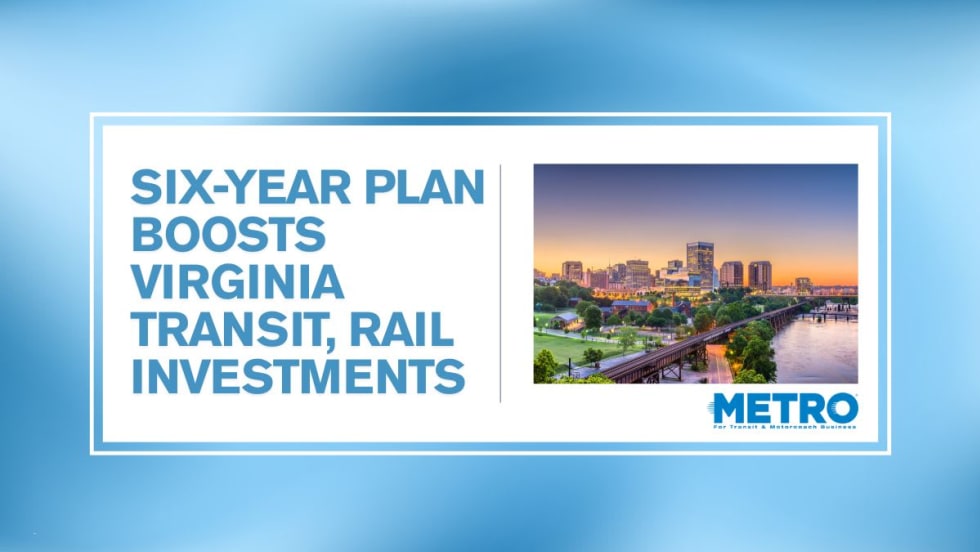
Virginia's $28.5B Transportation Plan Targets Transit and Rail
Approved by the Commonwealth Transportation Board, the program supports ongoing infrastructure projects while providing new investments in transit, state of good repair and transportation alternatives.
Read More →
Latinos In Transit Seeks Host Organization for 2027 Leadership Summit
The selected host organization will showcase its transit system, projects, and community while welcoming hundreds of industry leaders and emerging professionals during Hispanic Heritage Month.
Read More →
Bipartisan BUSES Act Seeks Changes to New York City's Bus Idling Enforcement Program
Backed by motorcoach operators, the legislation seeks to balance emissions goals with passenger safety by allowing limited idling for inspections, accessibility needs and extreme weather conditions.
Read More →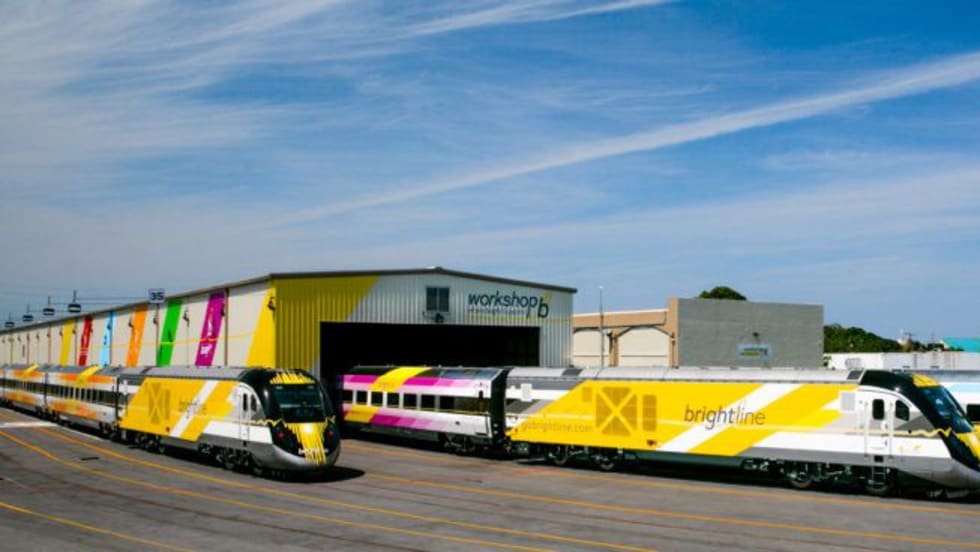
DOT: Brightline Corridor Incidents Fall 30% Following Federal Safety Upgrades
Safety improvements funded through a $25 million federal investment are credited with reducing trespassing and train-vehicle collisions along the Brightline Florida corridor.
Read More →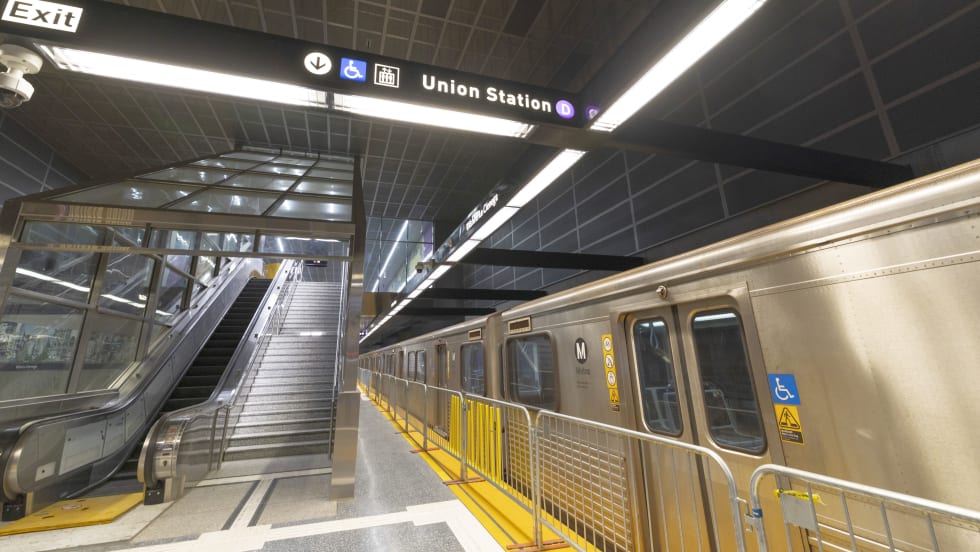
D Line Expansion Fuels Growth Across LA Metro's Rail System
Weekend rail ridership was especially strong, soaring 18% as riders embraced expanded access to jobs, entertainment, dining, and cultural destinations, said the agency. Total system ridership for May, including bus and rail, was 26,966,657.
Read More →
Q4 Travel Data Reveals Drop in Vehicle Traffic to Manhattan Congestion Zone
NYMTC’s quarterly Travel Patterns Report provides a snapshot of travel activity throughout New York City, Long Island, the Lower Hudson Valley, and northern New Jersey using data collected from the agencies operating the region’s bridges, tunnels, and public transit systems.
Read More →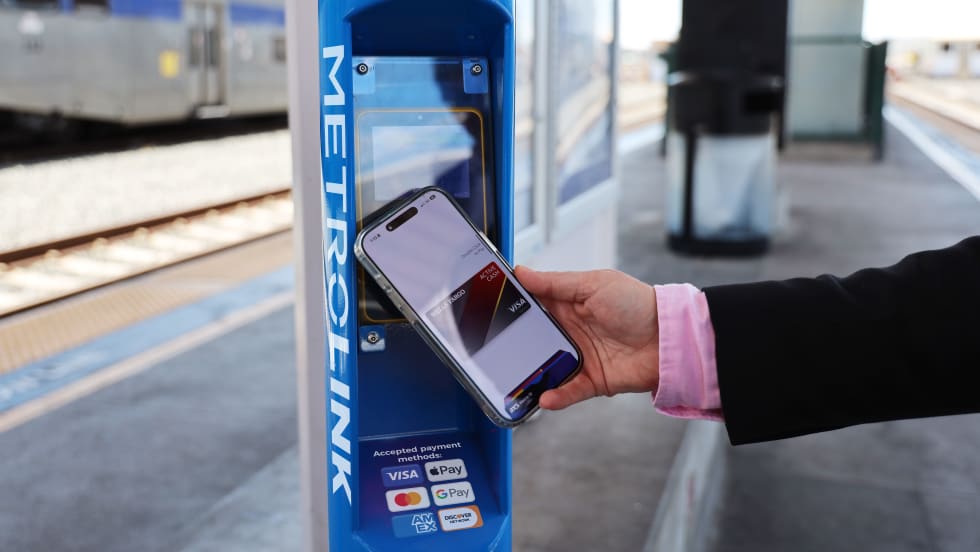
Southern California's Metrolink Debuts Contactless Fare Payment Pilot
Customers traveling between Redlands and Los Angeles can now tap their preferred payment method, including a credit or debit card, mobile wallet, or wearable device, at station validators before boarding and again while exiting.
Read More →
California's BART Approves FY27 Budget While Maintaining Service Levels
The budget covers July 1, 2026, through June 30, 2027, a period when pandemic emergency funds run out, the District faces a structural deficit of $375 million, and a regional transit funding measure may appear on the November ballot.
Read More →