



Trump's 'Skinny Budget' cuts U.S. DOT funding by $2.4B
Under the Administration’s proposal, the DOT's funding would be cut by 13%, to $16.2 billion, and limits funding for the Federal Transit Administration's Capital Investment program, eliminates funding for the Essential Air Service program, and ends federal support for long-distance Amtrak trains.

WASHINGTON, D.C. — The Department of Transportation (DOT) faces a $2.4 billion cut under President Trump's proposed federal budget blueprint, The Hill reports.
Under Trump’s proposal, the DOT's funding would be cut by 13%, to $16.2 billion, and limits funding for the Federal Transit Administration's Capital Investment program, eliminates funding for the Essential Air Service program, and ends federal support for long-distance Amtrak trains. For the full story, click here.
“The American Public Transportation Association (APTA) is surprised and disappointed that at the same time the Trump Administration is proposing to invest $1 trillion in infrastructure, the White House is recommending cutting billions of dollars from existing transportation and public transit infrastructure programs in its proposed ‘Skinny Budget,’ for Fiscal Year 2018. The federal government currently covers only 43 percent of all capital spending for public transit and any cuts will only add to the significant shortfall that already exists.
The American economy and communities of all sizes would be losers if the proposed reductions in the FTA Capital Investment Grants (CIG), the TIGER program, and Amtrak are enacted. As it stands now, America is already underinvesting in public transportation, as noted in the recently released American Society of Civil Engineers infrastructure report card. These proposed cuts would make the existing $90 billion of State of Good Repair gap even worse.
Cuts to the CIG program would put public transit projects and the associated thousands of direct and indirect jobs at risk in a number of communities including Kansas City, MO; Indianapolis, IN; Dallas, TX; Grand Rapids, MI; Ft. Lauderdale, FL; and Jacksonville, FL. For a complete list of the more than 50 CIG public transit projects in 23 states that could be at risk if they don't have Full Funding Grant Agreements (FFGA) click here.
Facilitating efficient surface transportation, including public transportation, has long been recognized as a federal responsibility and it is critical to our global economic competitiveness. In fact, 87 percent of the 35 million public transportation trips taken each day directly impact the economy – because Americans ride public transit to commute to work or to spend money at retail businesses and entertainment venues.
Congress reaffirmed this federal responsibility when it authorized $2.3 billion annually, through 2020, for the CIG program in the Fixing America's Surface Transportation (FAST) Act, which was overwhelmingly approved by bipartisan votes of 83-16 in the Senate and 359-65 in the House of Representatives. In the FAST ACT, Congress also saw the value in Amtrak and authorized nearly $5.5 billion through 2020 for Amtrak's national network. Additionally, in recognition of TIGER's huge popularity, Congress annually funds this program at significant levels, which is routinely oversubscribed and supports important multimodal projects that do not always lend themselves to the traditional formula funding programs.
According to a recent APTA poll, most Americans, including President Trump supporters, would not support these cuts to public transportation. A 2016 poll showed that three out of four Americans support increased public transportation investment. Additionally, a November election poll found that 81 percent of Americans who voted for Donald Trump oppose any cuts to the current levels of public transportation investment.
APTA calls on the Administration and Congress to reject these cuts and reaffirm its support for these programs as part of the FY18 budget process. In addition, APTA calls on Congress to include increased investments in public transportation as part of any new infrastructure initiative.”
More Management

Bringing Austin’s First Light Rail System to Life
Austin Transit Partnership CEO Greg Canally discusses the city's nearly 10-mile light rail project, its collaborative approach to project delivery, the importance of community engagement, and the milestones ahead as construction approaches in 2027.
Read More →
ETA CEO John Maglio on Transit Technology, Innovation, and Building Agency Trust
ETA founder and CEO John Maglio explores the evolution of transit technology, the importance of reliable systems, and how stronger partnerships can help agencies improve operations and the passenger experience.
Read More →
Metra Draft Plan Outlines Costs, Service Improvements for Regional Rail
The Systemwide Network Plan identifies infrastructure needs and potential investments to expand all-day, bidirectional rail service across the Chicago region.
Read More →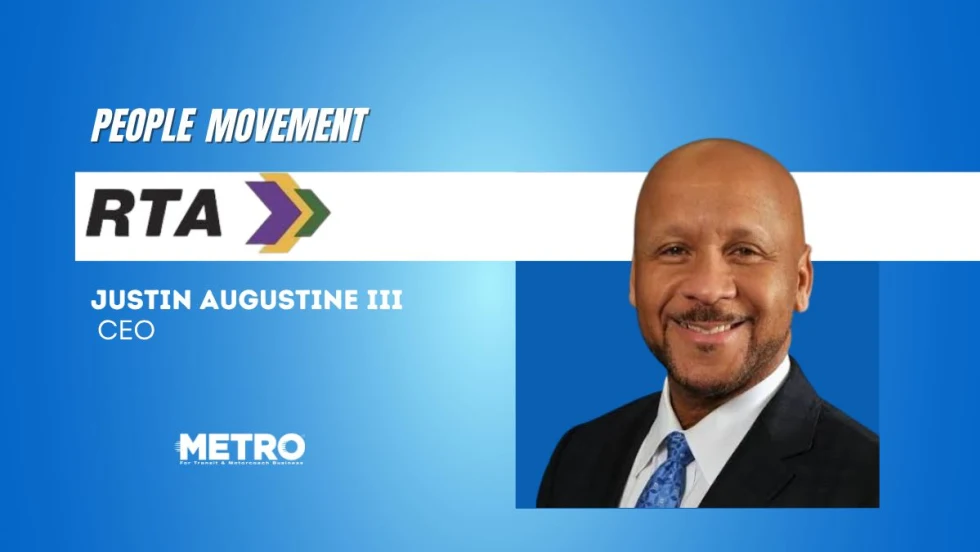
New Orleans RTA Names Augustine III as New CEO
In this edition, we also spotlight recent personnel moves at HDR, PATH, STV, and more, highlighting the people taking on new roles across the transportation industry.
Read More →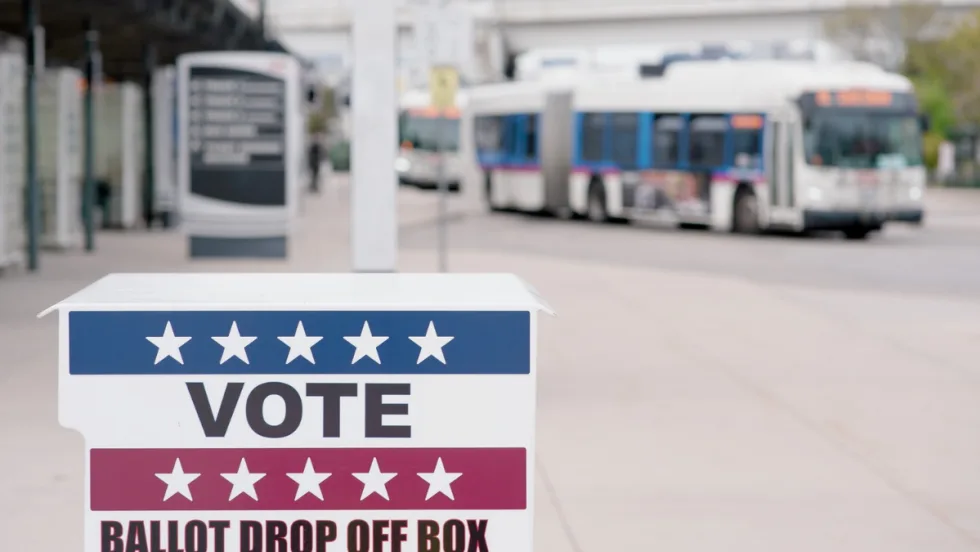
How Transit Agencies Are Using Free Rides to Improve Voting Access
Transit agencies are using fare-free service, trip-planning tools, and targeted rides to improve voting access. See what other agencies can learn from these efforts.
Read More →
Caltrain’s Electrification Drives a New Era of Ridership Growth
The railroad’s shift to electric service has brought more frequent trains, stronger customer satisfaction, and increased ridership, earning it APTA’s Outstanding Public Transportation System award.
Read More →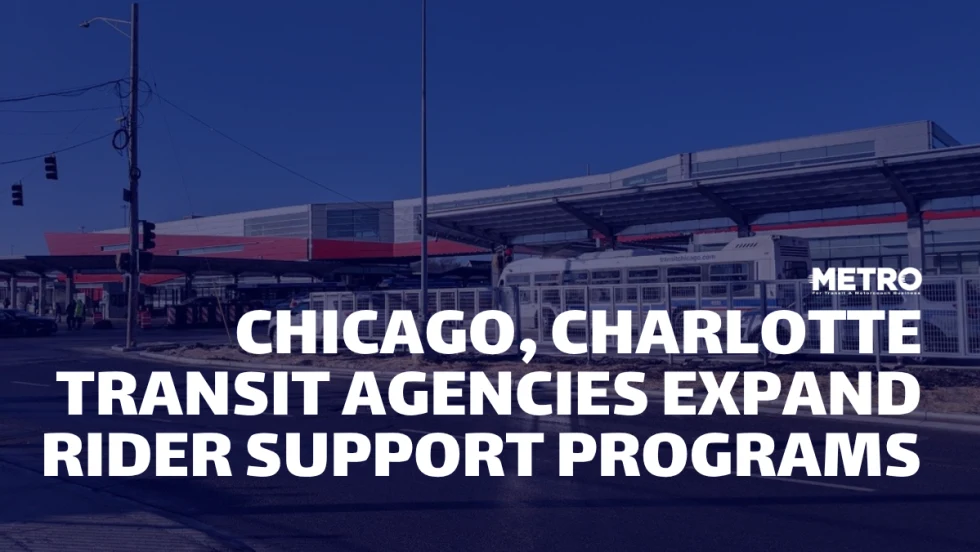
Chicago, Charlotte Transit Agencies Expand Rider Support Programs
CTA launched crisis intervention teams as CATS prepares to deploy fare ambassadors, expanding customer assistance and security efforts across both systems.
Read More →
New York MTA Launches Historic $1.9B Signal, Track Modernization Project
Funded in part by congestion pricing revenue, the project will replace nearly century-old signals along the A and C lines in Brooklyn and Queens.
Read More →
Brian Dickson on Building Stronger, More Resilient Transportation Organizations
Bus Business Consultants Founder Brian Dickson discusses the leadership principles, operational discipline, and strategic planning that separate transportation companies positioned for long-term success from those stuck in survival mode.
Read More →
LA Metro Breaks Ground on Vermont BRT Project
The 12.4-mile corridor is projected to serve 66,200 daily riders, reduce travel times by up to 24%, and create the nation's busiest bus rapid transit corridor.
Read More →