



APTA Bus & Paratransit Show opener touts successes, urges fed outreach
Industry’s ability to share the facts with congressional leaders to help them understand how much impact public transportation investment can have will be key.

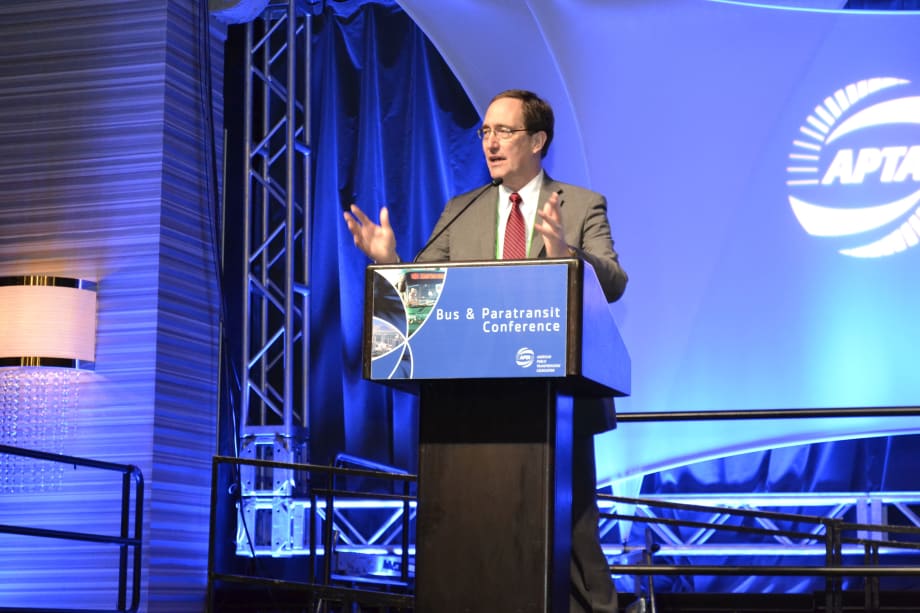
RTC of Washoe County’s Executive Director Lee Gibson spoke at the opening session for APTA's 2017 Bus and Paratransit Conference in Reno, Nev.
RTC of Washoe County’s Executive Director Lee Gibson spoke at the opening session for APTA's 2017 Bus and Paratransit Conference in Reno, Nev.
Realizing the fight to maintain funding for public transportation isn’t over and seeing what infrastructure investment can do for a city firsthand were key themes of the Opening Session at APTA’s Bus & Paratransit Conference in Reno, Nev., on Monday morning.
Starting off the program, several Reno dignitaries, including the RTC of Washoe County’s Executive Director Lee Gibson, Reno Mayor Hillary Schieve, and Rep. Mark Amodei (R-NV), touted the growth the city has experienced due in large part to transportation investments made in the area, which have not only increased transportation options for residents of both Sparks and Reno but also improved decaying infrastructure after the region was hit hard by the Great Recession.
After playing a round of trivia with some of APTA’s attendees, Schieve said she was proud of the job the RTC has done to dramatically improve the region, and discussed how the city is turning around to become one of the fastest growing regions in the nation, including being the new home for Tesla.
Meanwhile during his comments, Amodei applauded the public transportation industry for the work it does, as well as its ability to effectively communicate the role public transit plays in their communities, while also challenging attendees to continue spreading the word on Capitol Hill. He also voiced his support for raising the Federal Gas Tax to help pay for public transportation in order to bring predictability and stability to the industry.
“When you can pay for it in a reasonable way, why wouldn’t you just do it?” said Amodei.
APTA’s Acting President/CEO Richard White discussed the industry’s recent victory in the FY2017 budget during the opening session of the 2017 Bus and Paratransit Conference.
Meanwhile, APTA’s Acting President/CEO Richard White discussed the industry’s recent victory in the FY2017 budget, which includes $2.4 billion for the previously threatened Capital Investment Grants program, before warning the crowd that their work isn’t done since the FY2018 budget recommendations are just a few weeks away.
Key to that outreach, White said, will be the industry’s ability to share the facts with congressional leaders to help them understand how much impact public transportation investment can have, as well as the impacts that would occur if those investments were not made.
More Management
New York MTA Warns Federal Tariffs Could Add $1 Billion to Rolling Stock Costs
The agency said tariffs on specialized imported components could reduce the purchasing power of its $23 billion investment in new subway cars, railcars, and buses.
Read More →
From the Show Floor: What’s Happening at APTA TRANSform & EXPO 2026
Follow the latest product launches, partnerships, technology updates, and transit industry announcements coming out of APTA TRANSform & EXPO in Chicago.
Read More →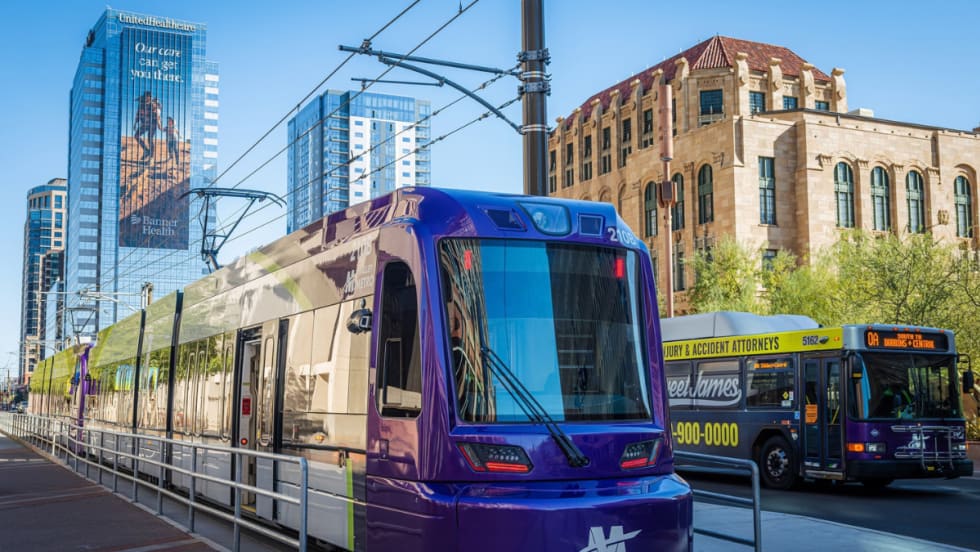
How Valley Metro Is Balancing Transit Growth With the Rider Experience
The APTA award-winning agency is pairing rapid system expansion with investments in workforce, safety, technology, and the fundamentals of transit service.
Read More →
Bus Tech Talk: Keeping Transit Technicians Ahead of the Technology Curve
In this episode of Bus Tech Talk, Complete Coach Works’ Business Development Manager Mark Hollenbeck and METRO’s Executive Editor Alex Roman sit down with Obed Mejia, Senior Technical Trainer for Bus Maintenance, at LA Metro to discuss how rapidly evolving bus technology is changing the maintenance shop — and the skills technicians need to keep pace.
Read More →
Michael Schneider Joins Paslay Group to Expand Transportation Practice
The longtime transportation executive will help Paslay Group grow its advisory and program management work across transit, highway, and other infrastructure sectors.
Read More →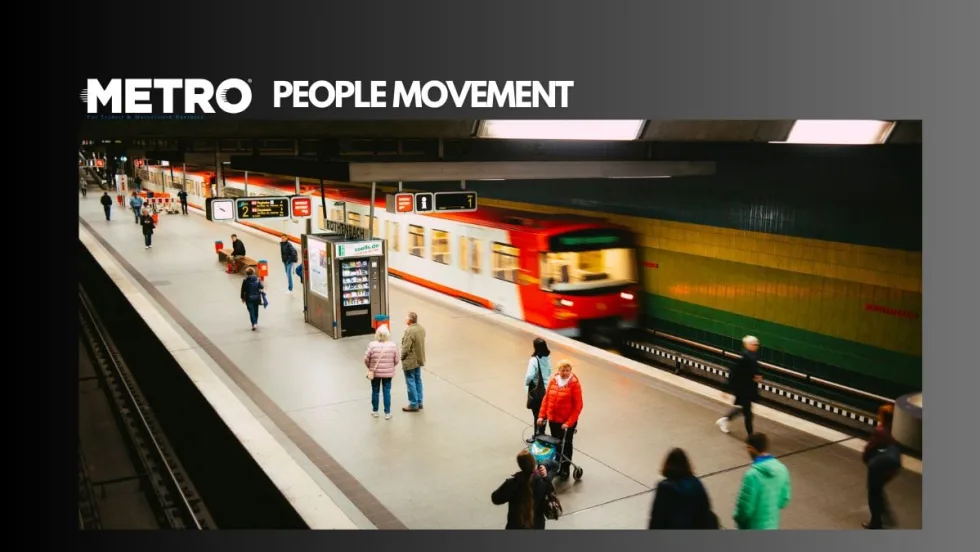
People Movement: Connectpoint Expands Leadership Team, Stadler Names New Group CEO, and More
In this edition, we also spotlight recent personnel moves at Burns, UZURV, and more, highlighting the people taking on new roles across the transportation industry.
Read More →
More Than a Summer Job: Building the Next Generation of Transit Talent
The Delaware River Port Authority and PATCO have transformed their internship program into a hands-on professional development experience that introduces students to the breadth of transportation careers — and creates a pipeline for future employees.
Read More →
LA Metro Board Awards 220 Battery-Electric Bus Contract to ENC
The contract, which is the largest base award of battery-electric buses by a U.S. transit agency, will be built in Southern California, sustaining good jobs as LA prepares to welcome the world in 2028
Read More →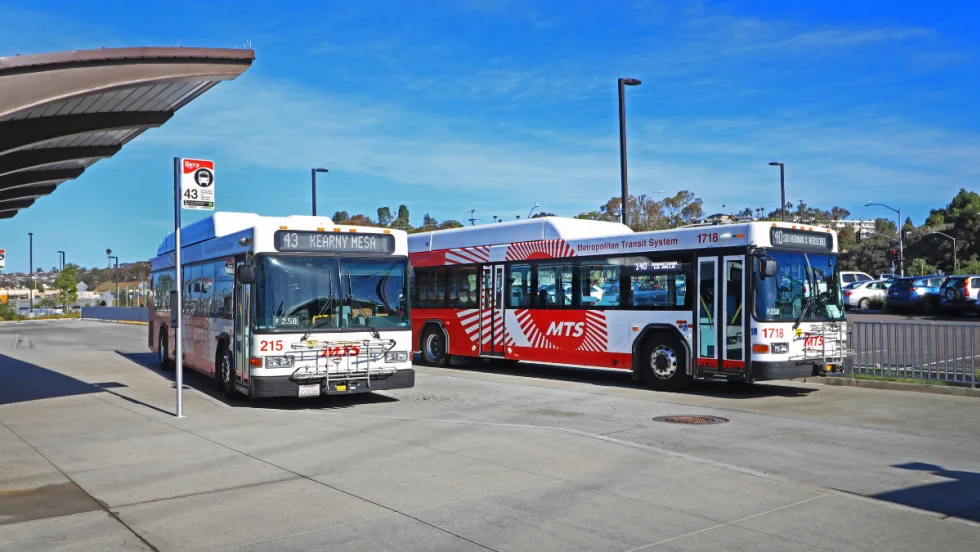
What’s Behind San Diego MTS’s Award-Winning Transit Strategy
Named one of APTA’s 2026 Outstanding Public Transportation Systems with 50 million or more annual passenger trips, California’s San Diego Metropolitan Transit System points to gains in ridership, safety, technology, and reliability as foundations of its success.
Read More →
Public Transit Conference Returning to GFX in 2027, Call for Papers Now Open
The Call for Papers is now open, allowing transit agency professionals and industry experts to help shape the PTC educational program by submitting session ideas for consideration.
Read More →