



President signs appropriations bill that includes $13.5B for FTA programs
APTA President/CEO Paul Skoutelas said that in passing the bill, "Congress has preserved the strong federal partnership with states and communities that is required to improve the nation’s transportation infrastructure."

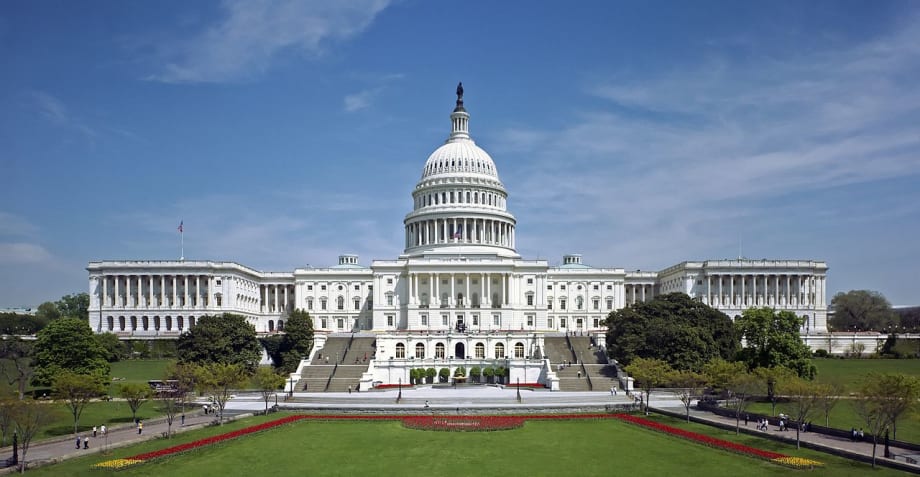
Public Domain
Public Domain
President Trump signed the $1.3 trillion omnibus appropriations bill to keep the federal government open until at least September and provides funding for Federal Transit Administration (FTA) programs to $13.5 billion, well more than the $12.3 billion authorized, and provides significant increases in Federal Railroad Administration (FRA) commuter and intercity passenger rail programs as well.
“The bill reflects the importance that Congress places on the value of public transportation, for the contribution it makes to mobility, and for the role such investment plays in the vibrancy and economic prosperity of communities nationwide. In passing this bill, Congress has preserved the strong federal partnership with states and communities that is required to improve the nation’s transportation infrastructure. It will help create jobs, connect communities, and grow our economy,” said APTA President/CEO Paul P. Skoutelas.
Of the $13.5 billion for the FTA, $2.6 billion will go to the Capital Investment Grants (CIG) program — a slight increase from the $2.4 billion allotted in FY 2017. The bill also increases funding for buses and bus facilities over the FY 2017 level from $720 million to $1.1 billion, while funding for the rail State of Good Repair program was increased from $2.6 billion to $3 billion.
The bill also increases funding for other transit formula programs as authorized by the FAST Act, including the appropriation of $1.5 billion for the TIGER program and $250 million for Positive Train Control implementation under the Consolidated Rail Infrastructure and Safety Improvement grant program. It also increases Amtrak funding from $1.5 billion in FY 2017 to $1.9 billion this year, and provides significant increases for other passenger rail programs.
“Federal investments supported under these programs will help to address the $90 billion funding backlog, identified by the U.S. DOT, that is needed to bring America’s public transportation infrastructure back into a state of good repair,” added Skoutelas. “Additionally, these 2018 appropriations will help move public transportation forward and help communities of all sizes create economic growth.”
For the full story, click here.
More Management
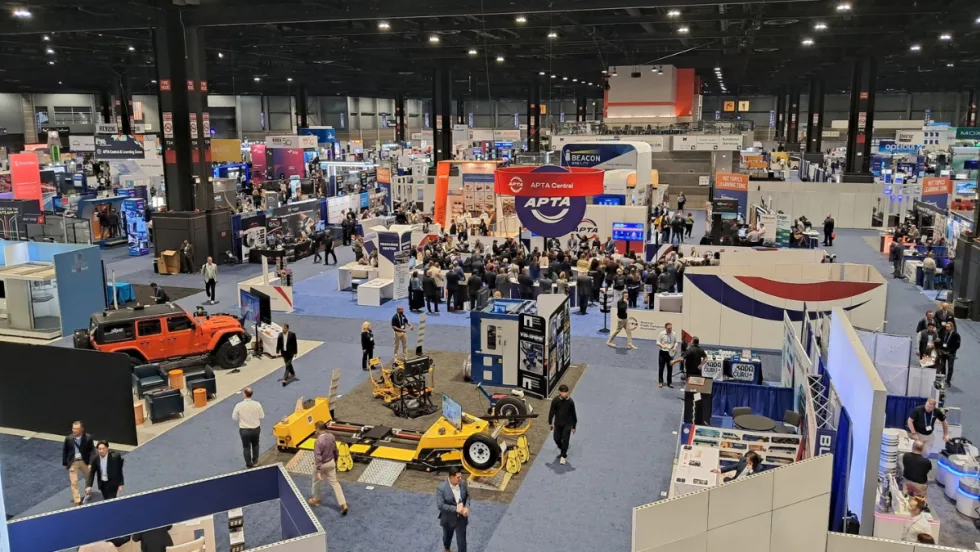
APTA 2026 TRANSform & EXPO Kicks Off in Chicago
After 45 years, APTA returns to Chicago with a focus on next-generation fleets, AI, connected transit networks, and the funding strategies shaping public transportation’s future.
Read More →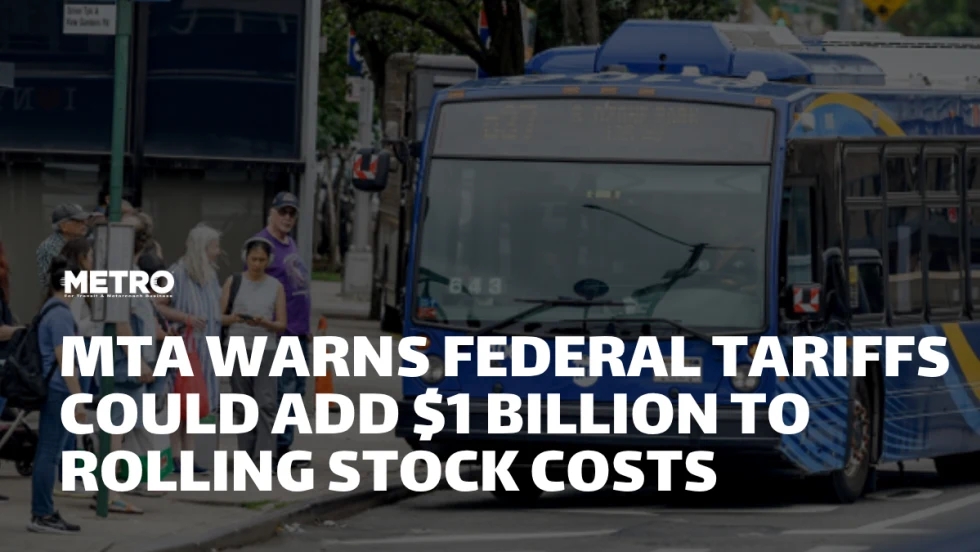
New York MTA Warns Federal Tariffs Could Add $1 Billion to Rolling Stock Costs
The agency said tariffs on specialized imported components could reduce the purchasing power of its $23 billion investment in new subway cars, railcars, and buses.
Read More →
From the Show Floor: What’s Happening at APTA TRANSform & EXPO 2026
Follow the latest product launches, partnerships, technology updates, and transit industry announcements coming out of APTA TRANSform & EXPO in Chicago.
Read More →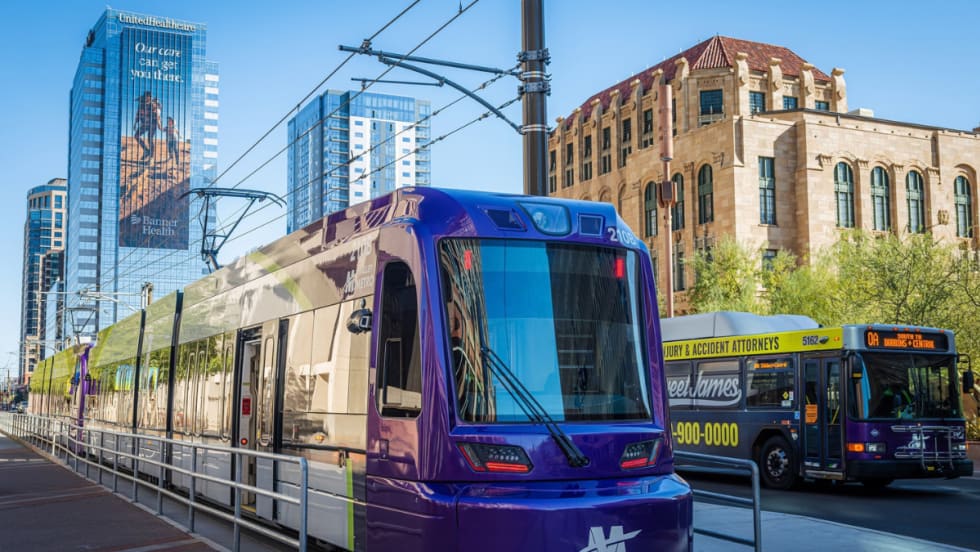
How Valley Metro Is Balancing Transit Growth With the Rider Experience
The APTA award-winning agency is pairing rapid system expansion with investments in workforce, safety, technology, and the fundamentals of transit service.
Read More →
Bus Tech Talk: Keeping Transit Technicians Ahead of the Technology Curve
In this episode of Bus Tech Talk, Complete Coach Works’ Business Development Manager Mark Hollenbeck and METRO’s Executive Editor Alex Roman sit down with Obed Mejia, Senior Technical Trainer for Bus Maintenance, at LA Metro to discuss how rapidly evolving bus technology is changing the maintenance shop — and the skills technicians need to keep pace.
Read More →
Michael Schneider Joins Paslay Group to Expand Transportation Practice
The longtime transportation executive will help Paslay Group grow its advisory and program management work across transit, highway, and other infrastructure sectors.
Read More →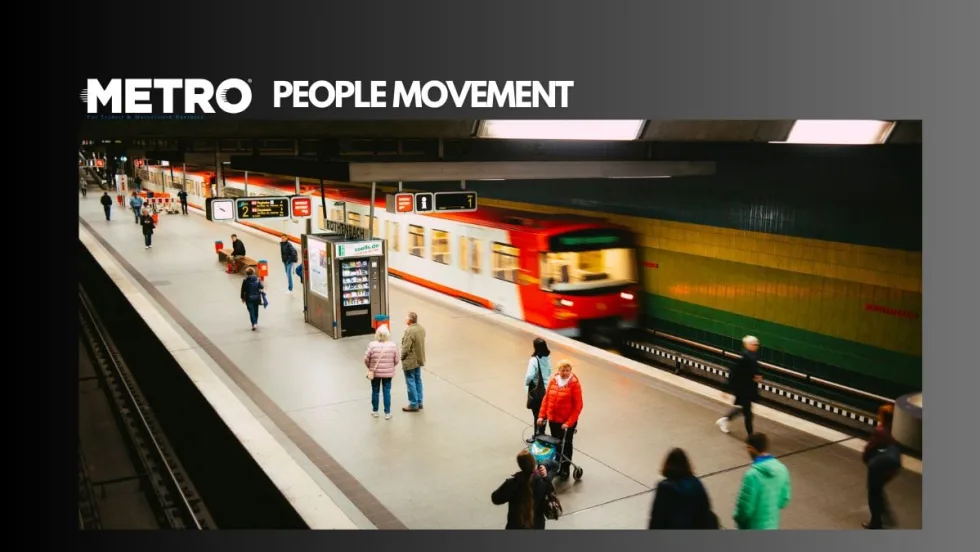
People Movement: Connectpoint Expands Leadership Team, Stadler Names New Group CEO, and More
In this edition, we also spotlight recent personnel moves at Burns, UZURV, and more, highlighting the people taking on new roles across the transportation industry.
Read More →
More Than a Summer Job: Building the Next Generation of Transit Talent
The Delaware River Port Authority and PATCO have transformed their internship program into a hands-on professional development experience that introduces students to the breadth of transportation careers — and creates a pipeline for future employees.
Read More →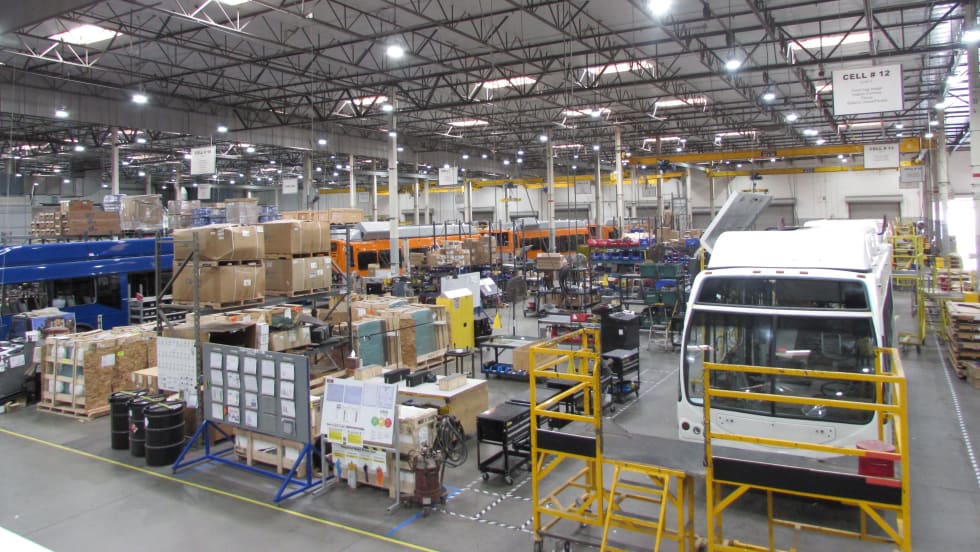
LA Metro Board Awards 220 Battery-Electric Bus Contract to ENC
The contract, which is the largest base award of battery-electric buses by a U.S. transit agency, will be built in Southern California, sustaining good jobs as LA prepares to welcome the world in 2028
Read More →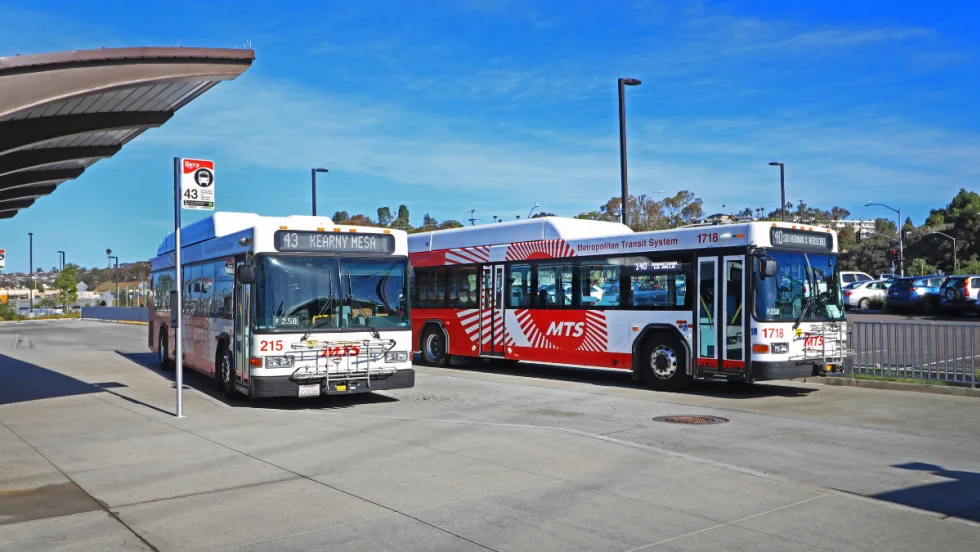
What’s Behind San Diego MTS’s Award-Winning Transit Strategy
Named one of APTA’s 2026 Outstanding Public Transportation Systems with 50 million or more annual passenger trips, California’s San Diego Metropolitan Transit System points to gains in ridership, safety, technology, and reliability as foundations of its success.
Read More →