



L.A. Metro awarded $704M in state gas tax funding for major projects
The funding will go to Metro’s program of projects which include highway, transit and goods movement elements.

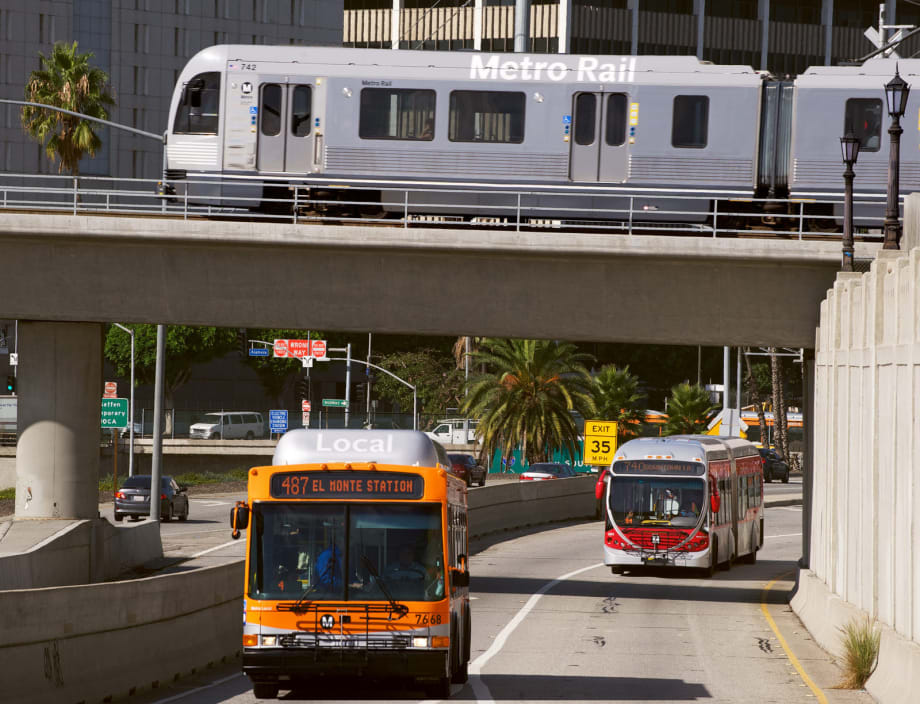
Metro will combine SB-1 gas tax funds with its own locally generated transportation sales tax contributions to continue transforming L.A. County’s transportation system and delivering Measure M and R projects. Photo: Metro
Metro will combine SB-1 gas tax funds with its own locally generated transportation sales tax contributions to continue transforming L.A. County’s transportation system and delivering Measure M and R projects. Photo: Metro
The California Transportation Commission approved $703.6 million in SB-1 funding for the Los Angeles County Metropolitan Transportation Authority (Metro) as part of its transportation funding allocations for agencies statewide.
The California Transportation Agency (CalSTA) also recently announced its SB-1 award for funding Transit and Intercity Rail Capital Improvements, with more than $1 billion designated for Metro. With today’s award of $703.6 million from the CTC and the award of $1.088 billion from CalSTA, the State has made a commitment to fund more than $1.8 billion in projects for Metro over a number of years.
SB-1 is the state’s “gas tax” and vehicle fee transportation funding program approved by the Legislature in 2017 and signed into law by Gov. Jerry Brown.
The awards represent the largest allocation of SB-1 funds in California to date. Metro received approximately 26 percent of total funding available statewide, underscoring the magnitude of needed transportation improvements for the congested L.A. region. The funding will go to Metro’s program of projects which include highway, transit and goods movement elements.
Metro will combine SB-1 gas tax funds with its own locally generated transportation sales tax contributions to continue transforming L.A. County’s transportation system and delivering Measure M and R projects.
Metro’s projects were selected as some of the best solutions to transform the county’s urban bus and rail system, reduce greenhouse gas emissions and vehicle miles traveled and improve overall mobility in the region, according to agency officials.
Metro transportation projects announced for SB-1 funding in several program categories include:
Local Partnership Program
Solutions for Congested Corridors Program
Airport Metro Connector 96th Street Transit Station Project: $150 million
Trade Corridor Enhancement Program
Interstate 5 Golden State Chokepoint Relief Project: $247 million
SR-57/60 Confluence: Chokepoint Relief Program: $22 million
America’s Global Freight Gateway: Southern California Rail Project: $128.6 million
Interstate 605/State Route 91 Interchange Improvement: Gateway Cities Freight Crossroads Project: $32 million
State Route 71 Freeway Conversion Project: $44 million
The CalSTA’s Transit and Intercity Rail Capital Improvements Program seeks to modernize transportation infrastructure, improve safety and grow rail ridership. The Transit Capital projects that were awarded multi-year funding include:
Transit and Intercity Rail Capital Program - $1.088 Billion
Gold Line Foothill Light Rail Extension to Montclair
East San Fernando Valley Transit Corridor
West Santa Ana Branch Light Rail Transit Corridor
Green Line Light Rail Extension to Torrance
Orange/Red Line to Gold Line BRT Transit Corridor
Vermont Transit Corridor
More Management

METRO Opens Submissions for 2026 Motorcoach Awards
Nominations are now being accepted for METRO Magazine’s Operator of the Year and Innovative Operator of the Year awards.
Read More →
New York MTA Advances Final Contract for Second Avenue Subway Expansion
Contract Four is the largest in the Second Avenue Subway Phase 2 project and includes construction of station infrastructure, tracks, and signals for the subway expansion, MTA officials said. Work on Contract Four will begin in 2027.
Read More →
Transit Agencies Highlight Safety Gains at National Summit
Leaders from 15 major transit systems shared crime-reduction results and safety initiatives while discussing the role of continued federal support.
Read More →

NITA Names New Leadership, Expands Reduced-Fare Program at First Board Meeting
The new regional transit authority appointed its first board chair and interim executive director while extending reduced fares across CTA, Metra, and Pace for eligible riders.
Read More →
Beyond the Checklist: A Structured Approach to Transit Maintenance
Reliability-Centered Maintenance helps transit agencies move beyond routine checklists to focus limited resources on the assets and failures that have the greatest impact on safety, reliability, and service.
Read More →
APTA 2026 Nominating Committee Selects Leadership Slate, Names Chair and Vice Chair Nominees
Leadership changes will help shape the association’s priorities and its representation of the transportation industry during the 2026–2027 term.
Read More →
DART Launches Major Security, Fare Enforcement Initiative
The 90-day demonstration will deploy coordinated security teams at five light rail stations while testing controlled access and gathering data to guide future investments.
Read More →
Advancing Fare Collection Through Technology and Innovation
Learn about delivering 1300 gates at 91 stations while managing fare evasion. Explore the large scale deployment, solution customization and real-world results that affect the region. Prepare for deployment in your region now.
Read More →
Game Day in Motion: Moving Millions During the 2026 World Cup
Between packed transit stations and team motorcoaches, see how agencies and operators across North America tackled the transportation demands of the 2026 FIFA World Cup.
Read More →
Surface Transportation Extension Averts Shutdown, Leaves Transit Funding Gap
The stopgap keeps federal transportation programs moving, but missing advance funding could complicate the transit and rail projects agencies are planning next.
Read More →