



These Buses Put a Fresh Spin on Parties
Operators are catering to a growing demand for “parties on wheels.” Tricked-out buses have some advantages over limousines, including capacity, headroom and amenities such as large-screen TVs and karaoke machines.
Russ Van Huizum, president of Top Dog Limo Bus in San Diego, used to own a limousine company with a fleet of 18 cars. But now, in semi-retirement, he has traded the 18 cars for two party buses and is enjoying himself more. Just like his passengers.
“Party buses are definitely more fun than limousines,” Van Huizum says. “People can stand up and move around. And you can fit more people inside.”
Van Huizum, like many transportation operators around the country, believes party buses are growing in popularity for events such as bachelor/bachelorette parties, proms, weddings, birthdays and wine tasting tours.
Van Huizum says his transition to party buses was rocky. “It was definitely a hard sell at first,” he says. “But now that people are aware of their existence, it’s a lot easier to sell now. In fact, a lot of wedding consultants are recommending them now.”
Ken Martin, president of Stardust Cruises Limousine Services in Santa Maria, Calif., concurs that interest in party buses is expanding. Like Van Huizum, Martin previously worked in a limousine operation but finds buses more enriching for the customers. “Groups can have a lot more fun when they can all be together,” he says. “It’s like sitting in your living room.”
All sizes of ‘land yachts’
The buses being converted into parties on wheels range from mid-size buses to standard motorcoaches to supersize double-deck behemoths. The upgrades typically include expensive sound systems, wide-screen plasma TVs, leather perimeter seating, laser lights, built-in bars and, in some cases, stripper poles.
Most common seems to be the 18- to 22-passenger mid-size buses. Martin of Stardust Cruises has one of each size. The cost was about $125,000 per bus. He charges $175 an hour for the 18-passenger bus and $195 an hour for the 22-passenger bus. He says his favorite manufacturer is Krystal Enterprises, which built the 18-passenger vehicle that he calls the “Supernova.”
Key to Martin’s success since starting up his party bus enterprise four years ago has been requiring that a hostess ride along. Since 80% of his business stems from wine tours, the hostess serves several distinct functions — to serve drinks, run the electronics system, introduce the customers to the winery operators and to take group photos.
The latter function has had positive effects on two fronts: It allows Martin to collect e-mail addresses of all the customers so photos can be e-mailed after the tour (and for follow-up marketing), and it is used to create a slide show of the tour that can be viewed on the bus’ TV on the ride home.
Double-deck novelty act
One party bus operator has found success by deploying a reconditioned doubledecker manufactured by Neoplan in the 1980s for the Kennedy Space Center in Florida.
Robyn Vanosdall, co-owner of A Royal Limousine in Fort Collins, Colo., says her husband, Michael, and son Jason spent the better part of three years converting the 50-foot coach, nicknamed “King of the Road,” into a gargantuan party bus with flat-screen TVs, a karaoke system and a full bar that is staffed by a bartender.
The bus had a capacity of 109, but now seats 75 people with a crew of five. The Vanosdalls spent $38,000 to buy the used bus and have put more than $300,000 into the conversion.
Mike drives the coach, while Robyn acts as host. She says one of her key functions is to keep the crowd from getting too rowdy. “We want to give them a venue in which they can party hearty, but we don’t do Animal House.”
Vanosdall says one of her successful crowd-control strategies to is to organize karaoke. “People have a lot more fun when they’re given direction,” she says. Plus, if they’re busy singing, they’re not drinking.
More Management
CATS Launches West Charlotte Microtransit Zone, Expands Transit Services
The new microtransit zone connects residents to key destinations as Charlotte Area Transit System rolls out the first phase of its 2055 Transit System Plan.
Read More →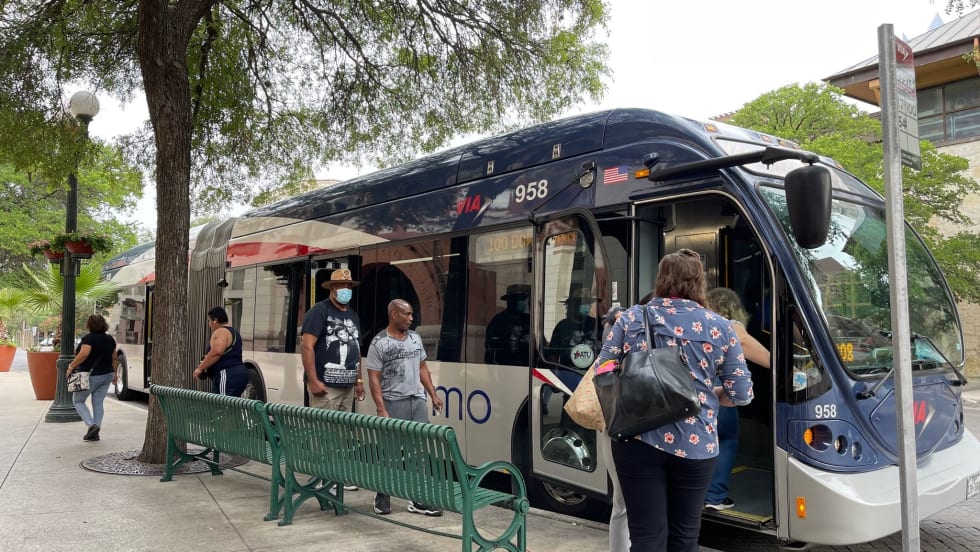
VIA Bus Ridership Grows 10.1% Through August 2026
San Antonio's VIA Metropolitan Transit reported the highest bus ridership growth among major Texas transit systems. Federal Transit Administration data ranked it second among the nation's 50 largest transit systems.
Read More →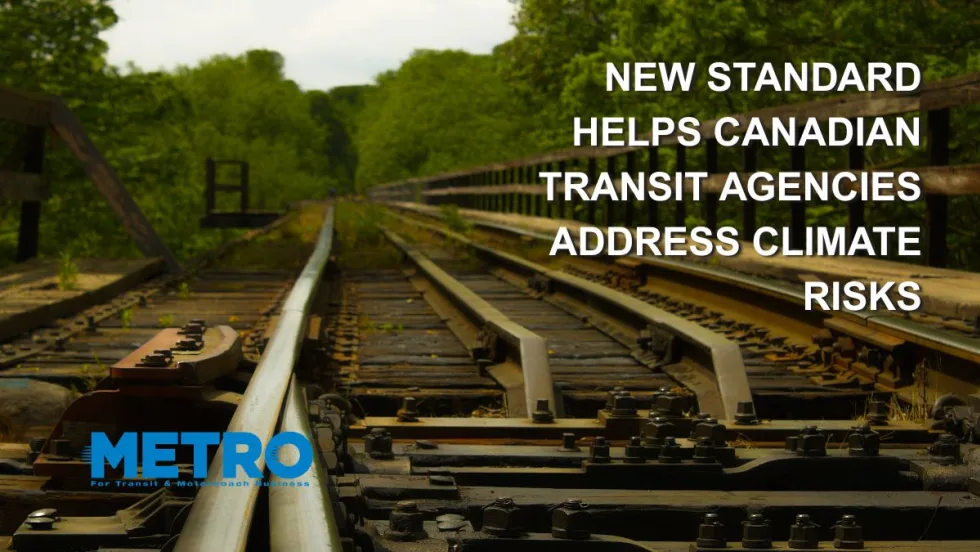
CSA Group Releases Climate Resilience Standard for Transit, Passenger Rail
Developed with support from the Standards Council of Canada, CSA D700 guides assessing climate-related risks and planning adaptation measures for transit and passenger rail systems.
Read More →
ETA CEO John Maglio on Transit Technology, Innovation, and Building Agency Trust
ETA founder and CEO John Maglio explores the evolution of transit technology, the importance of reliable systems, and how stronger partnerships can help agencies improve operations and the passenger experience.
Read More →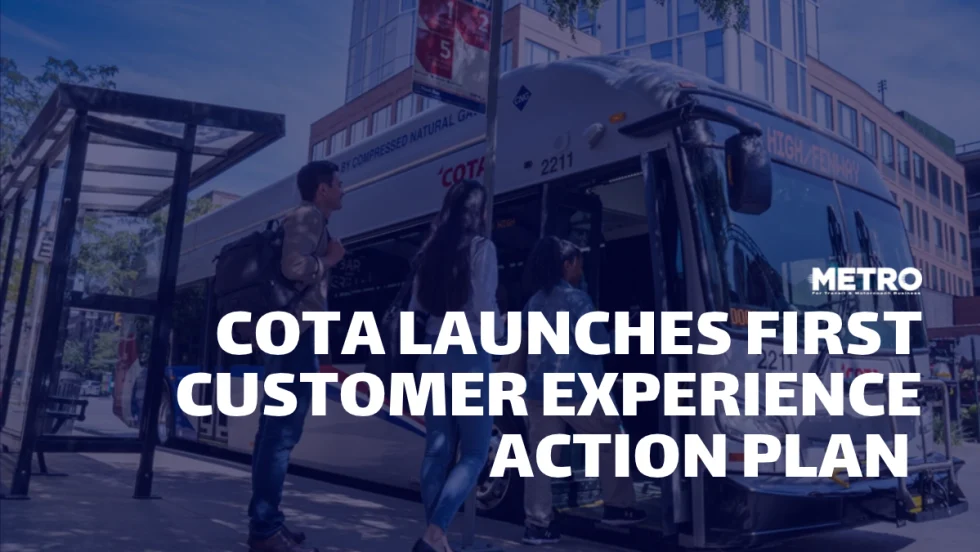
COTA Launches First Customer Experience Action Plan to Improve Transit Service
The new plan outlines improvements to service reliability, accessibility, communication, and the overall rider experience across Central Ohio's transit system.
Read More →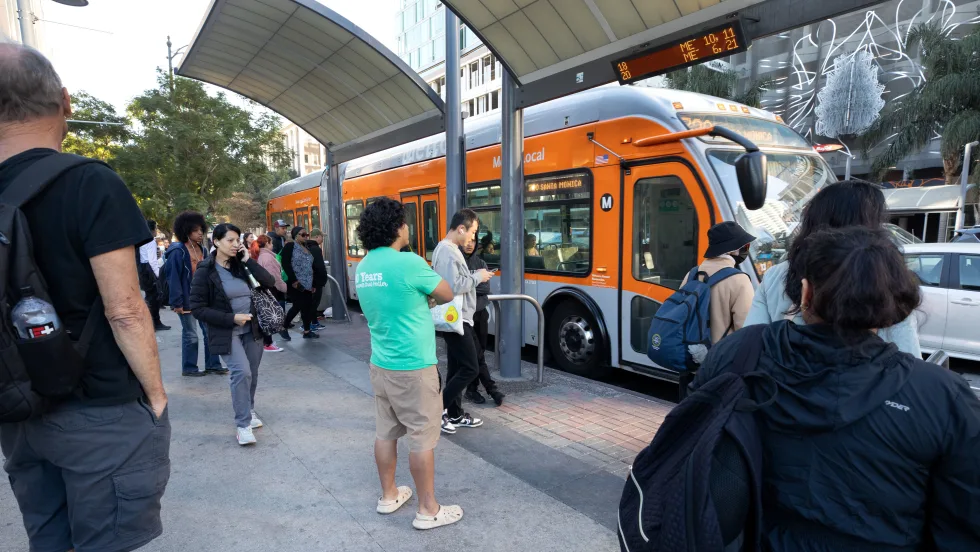
LA Metro September Ridership Climbs 3.9%, Led by Rail Growth
The agency recorded more than 27.2 million boardings, with rail ridership increasing 12.4% year over year and the D Line posting the largest gains.
Read More →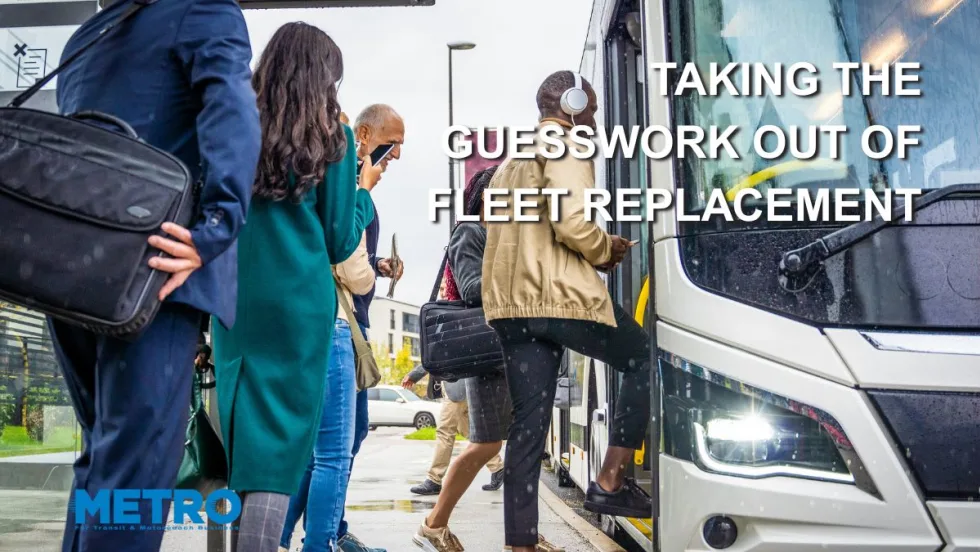
Utilimarc Launches SmartReplace to Optimize Fleet Replacement Decisions
AI-powered SmartReplace helps fleets prioritize vehicle replacements, model budget scenarios, and build more defensible long-term strategies.
Read More →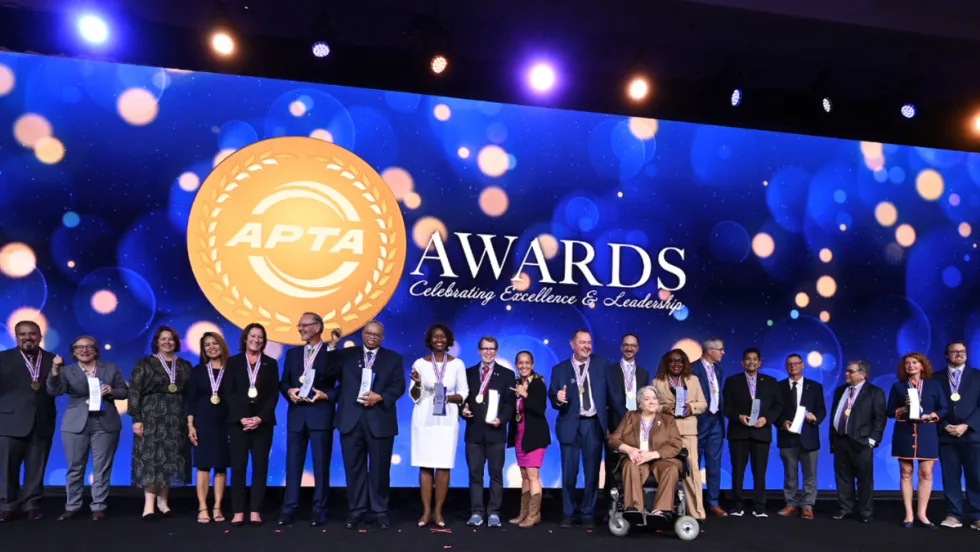
APTA Honors 2026 Award Winners, Hall of Fame Inductees at TRANSform & EXPO
Innovations in autonomous and zero-emission transportation, standout transit systems, and industry leadership took center stage among this year's honorees.
Read More →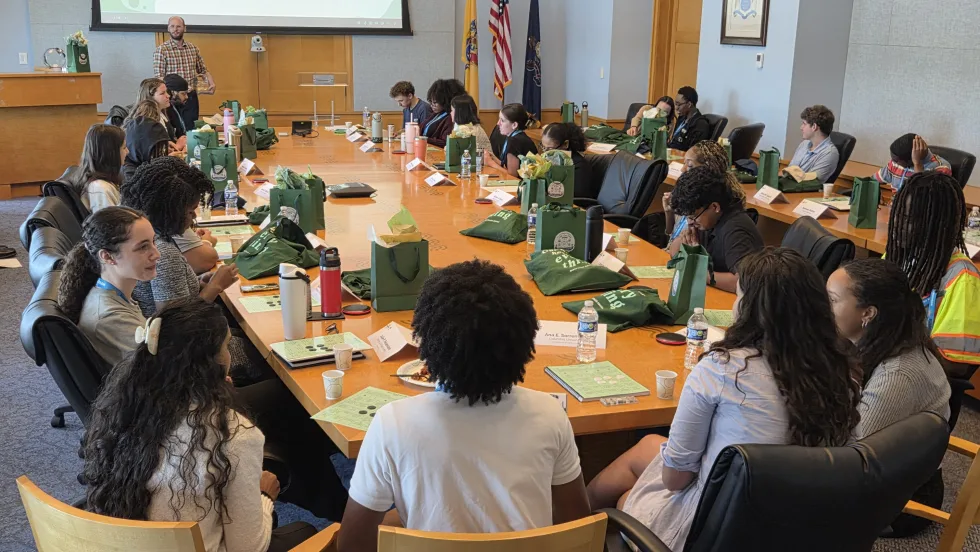
7 Ways to Build a Better Transit Internship Program
Lessons from DRPA/PATCO’s approach to creating a meaningful internship experience—and developing the next generation of transportation professionals.
Read More →
Scenes from APTA TRANSform & EXPO 2026
Transit leaders, manufacturers, and industry professionals gathered in Chicago to explore new technologies, share ideas, and discuss the future of public transportation.
Read More →