



Agencies Take Steps to Protect Drivers
Audio, video camera systems and driver partitions ideas being addressed.
After recent bus system attacks, the Metropolitan Transportation Authority’s New York City Transit (NYCT) and Canada’s Winnipeg Transit are looking to make policy changes and increase security to protect bus operators.
In New York, the Bus Operator Action Committee (BOAC) — a joint collaboration of NYCT management and the Transport Workers Union (TWU) Local 100 — suggested several changes following the fatal assault of one of its bus drivers, Edwin Thomas.
In December 2008, Thomas was repeatedly stabbed by a man after confronting him for fare evasion. TWU officials say this is the type of thing that happens all too often.
“The union has pushed for safety rules to protect operators for quite a while,” said Jesse Derris, a TWU spokesperson. “There’s always a problem when it comes to confronting a passenger who doesn’t pay the fare. Unfortunately, it causes conflict and that’s when these unfortunate incidents take place.”
To help better protect bus operators, the BOAC made several suggestions, including the addition of cameras and driver partitions, which would physically separate bus drivers from passengers. At this time, however, it is unclear when, or if, any of these changes will take place.
“Partitions are something that we’re looking into, but we are not at the implementation stage just yet,” said Paul Fleuranges, an NYCT spokesperson. “If we do it, it’ll be a pilot at the Flatbush Depot, where Mr. Thomas was a driver.”
Fleuranges adds that there are still several concerns that need to be addressed, including finding a partition that doesn’t compromise the HVAC system or the manufacturers’ guarantee and finding something that wouldn’t make it difficult for the driver to exit the bus in the case of an accident or other emergency.
Driver partitions are currently being used by transit systems throughout the world, with pilot projects taking place in some U.S. cities, including Chicago, Washington, D.C., and Milwaukee. According to Bentech Inc., a manufacturer of driver partitions, the cost ranges from $240 to $500 each.
From January 1 to December 9, 2008, there were 236 bus driver assaults on the NYCT’s system, 43 of which involved fare evasion and 67 involving someone spitting at a driver.
New York does have a law on the books that makes it a felony to assault a bus driver that carries with it a potential seven-year prison sentence, but Fleuranges explains that there is a gray area between assault and misdemeanor, which they are working to change.
“One of the problems is the way the law is written now, the level of assault has to rise to a felony, it can’t be a simple misdemeanor assault,” he said. “That’s why we want to change the law to make it stronger, so that if an operator’s assaulted physically, it doesn’t matter the level of physical injury they have to sustain.”
To help combat its problems, Winnipeg Transit has begun outfitting its fleet of 535 buses with audio- and video-recording systems; the cost will total approximately $3 million.
“We have about 260 vehicles in our fleet outfitted right now, and the rest will be installed by the end of 2009,” said Dave Wardrop, director for Winnipeg Transit.
In addition to the surveillance systems, the transit system is also improving its radio communication systems, has GPS installed on all vehicles and works with local authorities to prosecute criminals to the fullest extent of the law.
Winnipeg Transit experiences approximately 30 assaults of bus drivers per year, with one incident in January sending a driver to the hospital after he and two passengers were attacked by three would-be muggers.
“Our major concern is for the safety of our passengers and drivers,” said Wardrop. “The expectation is that our increased security measures will act as a deterrent and also assist with prosecution.”
Winnipeg Transit has also received a request from the Amalgamated Transit Union (ATU) to add driver partitions and is looking into it.
“The partitions provide additional safety, but also impede the driver’s ability to interact with the customers,” Wardrop said. “We have to weigh the advantages of the safety shields against the customer service aspects, and the ATU agrees with that.”
More Management
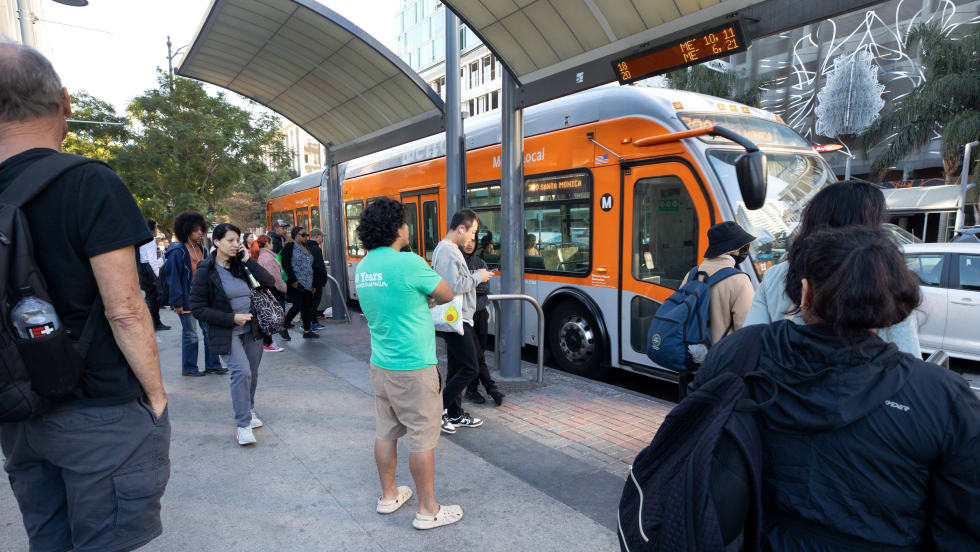
LA Metro Ridership Continues Growth as Rail Gains Accelerate
New rail connections and major events help drive continued ridership gains, with Metro recording its eighth consecutive month of year-over-year rail growth.
Read More →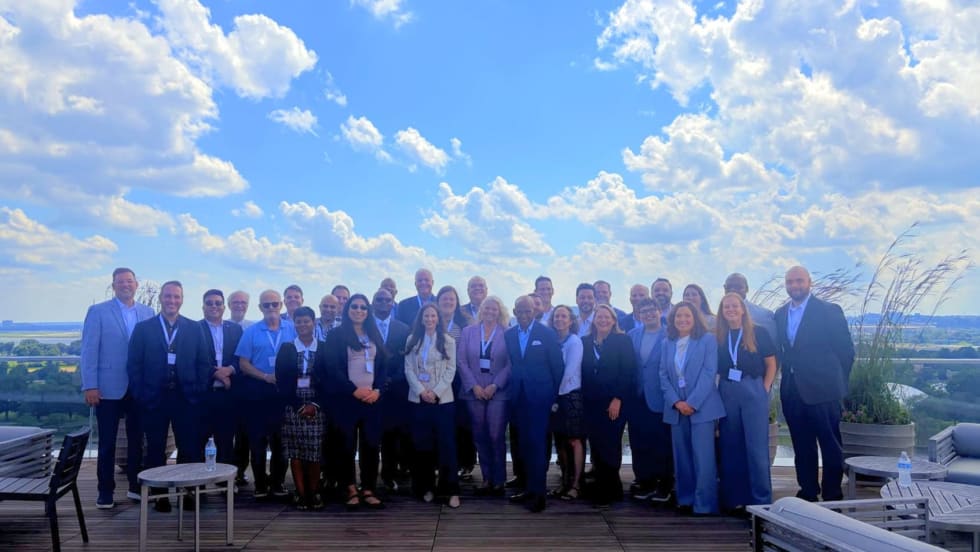
TransDASH Summit Focuses on Measuring What Matters in Transit
Transit agencies unveil a national performance platform designed to benchmark customer experience, safety, community value, and other outcomes.
Read More →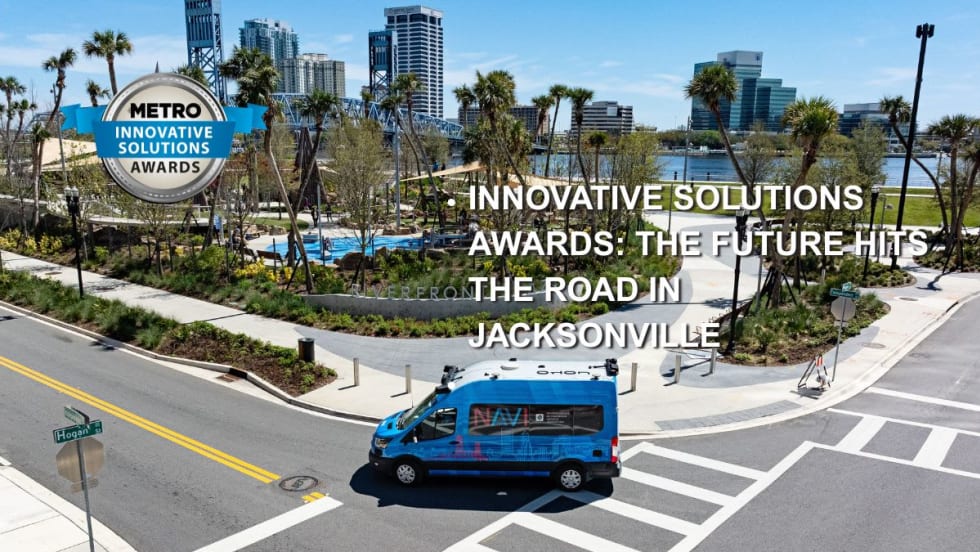
Jacksonville’s NAVI Project Charts a New Course for Autonomous Public Transportation
Through its NAVI program, JTA is showing how autonomous vehicles, intelligent infrastructure, and coordinated operations can work together to deliver everyday public transportation.
Read More →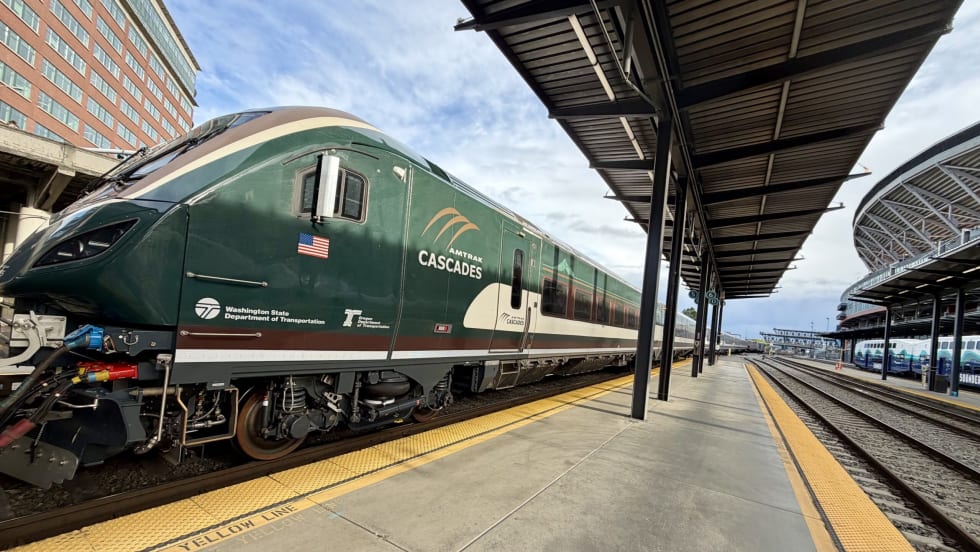
FRA Announces $5.3B in Rail Investments, Including $2B for Amtrak
Funding will support grade-crossing improvements, infrastructure upgrades, and new Amtrak equipment in 23 states.
Read More →
Finding the ‘Happy Medium’: Optimizing Maintenance Without Sacrificing Reliability
The key to maintenance optimization isn’t doing less work—it’s doing the right work at the right time on the right assets.
Read More →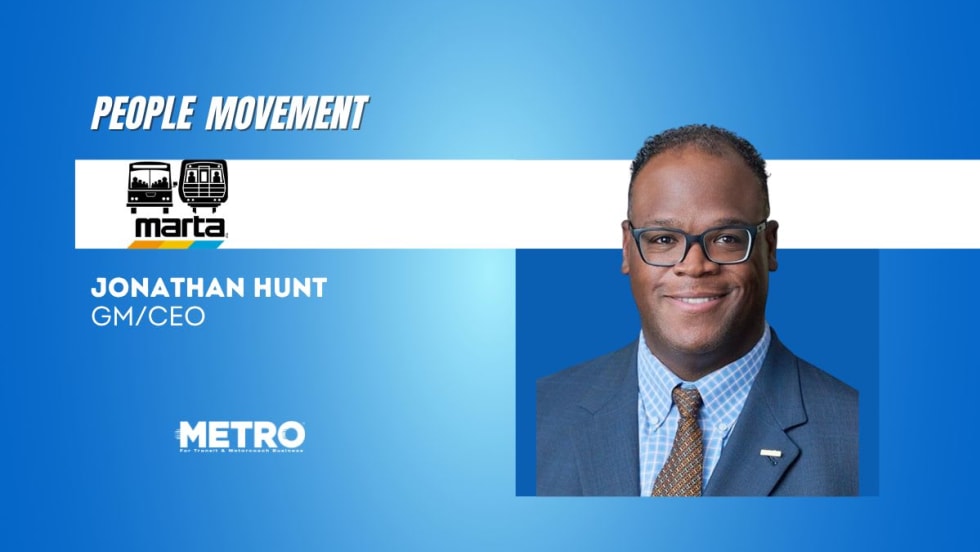
People Movement: MARTA Drops Interim Tag on GM/CEO Hunt and More
In this edition, METRO covers recent appointments and announcements at the FMCSA, HDR, SilverRide, and more, showcasing the individuals helping to shape the future of transportation.
Read More →
VIA Metropolitan Transit Reports 2 Million More Passenger Trips as Better Bus Plan Gains Momentum
San Antonio's transit agency said accelerated service improvements are driving ridership growth, offering another example of how increased frequency and workforce investments can translate into stronger transit performance.
Read More →
ABAF Study Reveals Growing Insurance Crisis for Motorcoach Operators
Preliminary findings show 98% of operators faced premium increases over the past five years, while shrinking insurer participation is putting added pressure on businesses and customers.
Read More →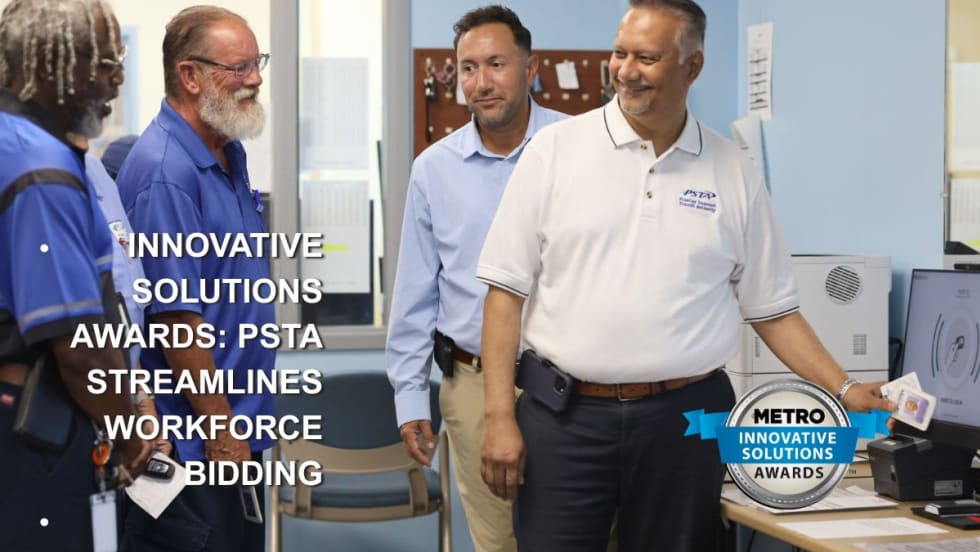
PSTA Modernizes Workforce Management with Digital Bidding System
The award-winning Workforce Transit Modernization project replaced paper bidding with a transparent digital platform, cutting administrative effort while improving access for operators.
Read More →
Chicago to Host Public Transportation's Biggest Gathering at APTA TRANSform & EXPO 2026
North America’s largest public transportation gathering returns to Chicago, connecting transit decision-makers with the technologies, ideas, and partnerships driving the industry forward.
Read More →