



Montreal transit app rewards riders with personalized offers
The STMMerci app uses precision marketing to provide local event and product offers exclusive to transit riders based on their preferences and locations.


In Montreal, riders will soon see even more benefits to riding public transit through an app that provides not only trip planning but also deals on local events and products.
Software and technology company SAP worked with Societe de transport de Montreal (STM) to create STMMerci. The app uses precision marketing to provide offers exclusive to transit riders based on their preferences and locations, Herve Pluche, project manager, SAP, explained.
“As you walk around the city, we’re rewarding you depending on how much you use public transit,” Pierre Bourbonniere, director of marketing, STM, added. “We [provide offers] that are relevant to you as an individual. We have 68 subway stations and 250 bus lines, but we’ll talk to you about yours specifically.”
Before working at STM, Bourbonniere worked on loyalty programs such as Air Canada’s frequent flyer program. He was tasked with creating a simple loyalty program with instant gratification for riders using the system’s OPUS fare card.
STM enrolled 340 merchants and 1,000 event partners ranging in size throughout the city and suburbs of Montreal in the system. Partners include the Opera de Montreal, coffee shop and drug store chains, taxi companies and a number of grocery stores. Similar to selling advertising in subway stations and on buses, STM will monetize the service by offering it for a fee to merchants to reach consumers through the app.
STM asked its partners for three levels of offers to reward riders based on how often they use transit. For example, a top-tier offer would be a 50% discount on a product, 30% off for the second tier, and a 10% to 15% discount for the third tier. The system automatically selects STM’s best customers.
When accepting the offer, the rider receives a unique bar code to use to claim it. If the first 50 most frequent riders haven’t accepted the “top-tier” offer, it moves on to the next 50.
The app also recognizes the location the rider has traveled to and sends them offers at stores and for events in that area.
Since the pilot launched in May, STM and SAP tracked how many consumers downloaded and used the app, as well as the offers redeemed, from a representative sample of 20,000 consumers, Pluchet said. The agency is shifting from this experiment to a full-scale market since that phase of the pilot was successful. Anyone can now download the app and participate in the pilot. STM plans to open it up to 2.5 million OPUS card users in early 2014.
So far, click-through rates are higher than anticipated.
“With mobile, personalized, context-aware interaction, rates go up to 67%; two out of three consumers that have received information will take an action,” Pluche said.
While privacy was a concern in implementing the project due to regulations that don’t allow the transit system to keep non-critical information collected from customers, Bourbonniere said that by working with SAP, STM found a solution.
The agency put the critical information for riders they are allowed to collect, such as first names, purchases and trips, in a database. Any non-critical information the agency is not allowed to keep, such as last names and purchasing preferences, goes into the cloud. It only comes together to provide offers, Bourbonniere explained.
Despite privacy being a potential issue, more than one-half of participating consumers went through the entire personalization process, which consists of a five-page online questionnaire, to increase the quality and relevance of the offers they get.
Riders can also download the app and opt out of providing information and get offers that have a decreased level of personalization and relevance, Pluchet said.
Users also get rewarded with better offers through a game in the app that is based on how frequently they use public transit, giving them the chance to “save trees,” Bourbonniere explained.
STM plans to add mobile payment and ticketing early next year.
More Management
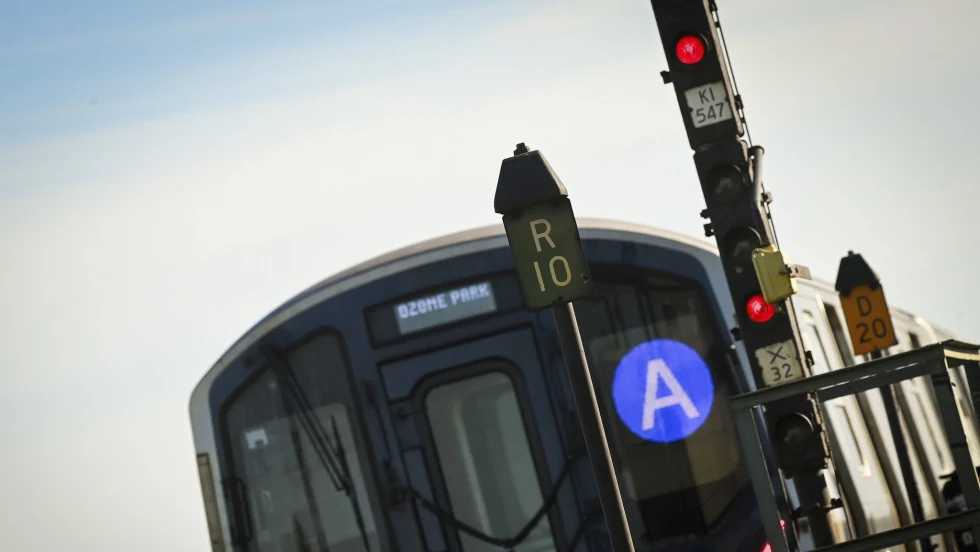
New York MTA Launches Historic $1.9B Signal, Track Modernization Project
Funded in part by congestion pricing revenue, the project will replace nearly century-old signals along the A and C lines in Brooklyn and Queens.
Read More →
Brian Dickson on Building Stronger, More Resilient Transportation Organizations
Bus Business Consultants Founder Brian Dickson discusses the leadership principles, operational discipline, and strategic planning that separate transportation companies positioned for long-term success from those stuck in survival mode.
Read More →
LA Metro Breaks Ground on Vermont BRT Project
The 12.4-mile corridor is projected to serve 66,200 daily riders, reduce travel times by up to 24%, and create the nation's busiest bus rapid transit corridor.
Read More →
Building Stronger Leaders, More Resilient Transit Teams
Dr. Carol Parker Walsh discusses leadership development, employee retention, workplace culture, and preparing transit’s workforce for AI and automation.
Read More →
Roman Cornell on ABC Companies’ Evolution and the Future of Passenger Transportation
The company’s CEO discusses carrying forward a third-generation family legacy, ABC’s continued evolution in passenger transportation, support for increasingly complex fleets, and how technology and continued investment could help operators improve uptime.
Read More →
CATS Launches West Charlotte Microtransit Zone, Expands Transit Services
The new microtransit zone connects residents to key destinations as Charlotte Area Transit System rolls out the first phase of its 2055 Transit System Plan.
Read More →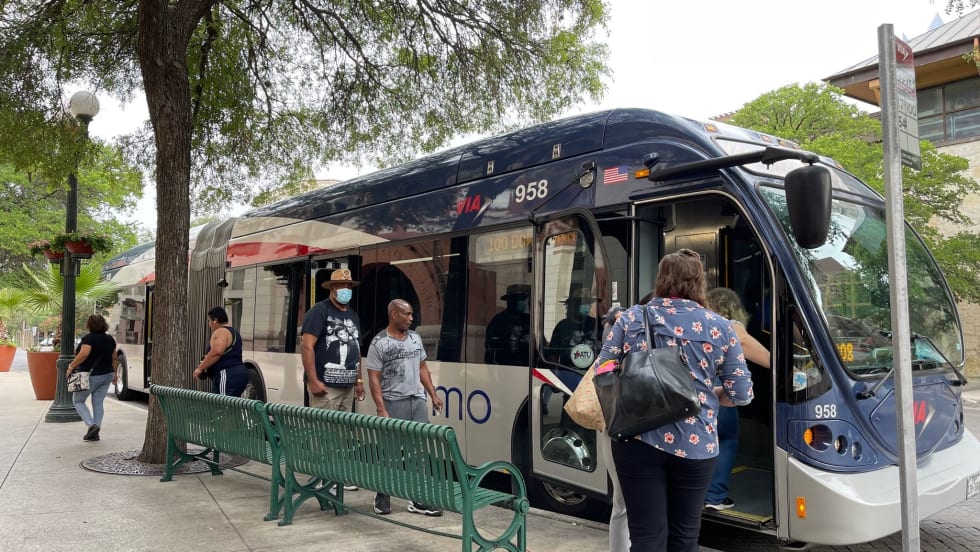
VIA Bus Ridership Grows 10.1% Through August 2026
San Antonio's VIA Metropolitan Transit reported the highest bus ridership growth among major Texas transit systems. Federal Transit Administration data ranked it second among the nation's 50 largest transit systems.
Read More →
CSA Group Releases Climate Resilience Standard for Transit, Passenger Rail
Developed with support from the Standards Council of Canada, CSA D700 guides assessing climate-related risks and planning adaptation measures for transit and passenger rail systems.
Read More →
ETA CEO John Maglio on Transit Technology, Innovation, and Building Agency Trust
ETA founder and CEO John Maglio explores the evolution of transit technology, the importance of reliable systems, and how stronger partnerships can help agencies improve operations and the passenger experience.
Read More →
COTA Launches First Customer Experience Action Plan to Improve Transit Service
The new plan outlines improvements to service reliability, accessibility, communication, and the overall rider experience across Central Ohio's transit system.
Read More →