



2015 Bus Maintenance Survey: Issues with Engine Tech, Staffing Are Growing Trends
One hundred percent of respondents say filters are the parts they buy most often, while both diesel and alternative-fueled vehicle usage is growing, compared to last year.
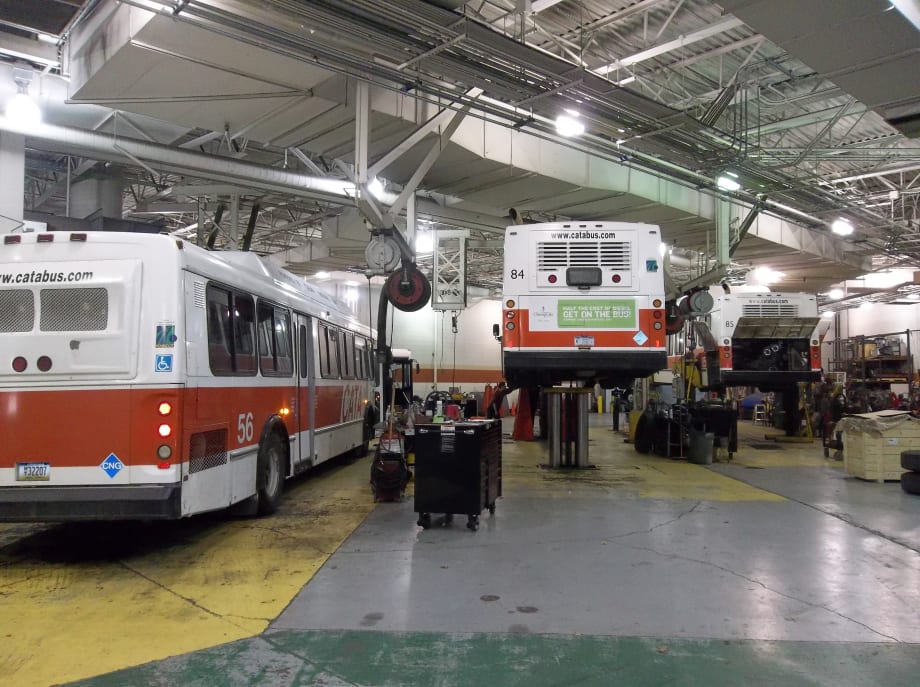
CATA
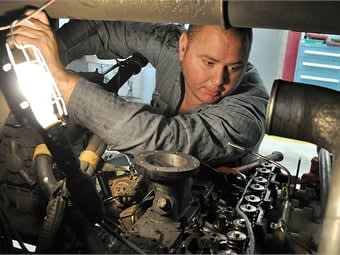
Lane Transit District
While diesel usage is up at transit agencies, so is the amount of alternative-fueled vehicles, according to respondents to this year’s METRO Bus Maintenance Survey.
Overall, 92% of respondents report using diesel — up 15 percentage points from last year — with hybrid vehicles (53%) being the top choice of alternative fuels, followed by biodiesel and natural gas, which are tied at 28%. Gasoline, a new selection for this year’s respondents, came in at 53%.
Electrical (issues/training) remains the biggest issue in shops, followed this year by exhaust gas recirculation systems and staffing, each jumping 2014’s No.2 issue engines/transmissions, which comes in this year at No. 4. One-hundred percent of this year’s respondents reported filters as the parts they buy the most.
CATA
When asked what questions an agency should ask when exploring the possibility of adding alternatively propelled vehicles, the top answers were “How much training will be necessary and who will deliver that training? “What are the true costs associated with implementation?” “What is the true cost per mile to operate?” and “What is the expected timeframe until true return on your investment is realized?”
METRO sent out its survey to hundreds of maintenance shops, spanning a wide demographic consisting of large metropolitan to small and rural transit agencies as well as university-focused systems. Questions covered topics ranging from fleet size to average age of their fleet, hours-of-training-provided per year and how that training is delivered, and the top issues in their shops to what parts they buy most often.
Agencies varied in fleet size, with the largest maintaining 2,200 buses and the smallest 27, with the mean boasting a fleet of 288 buses.
To view the entire survey, click here.
More Management
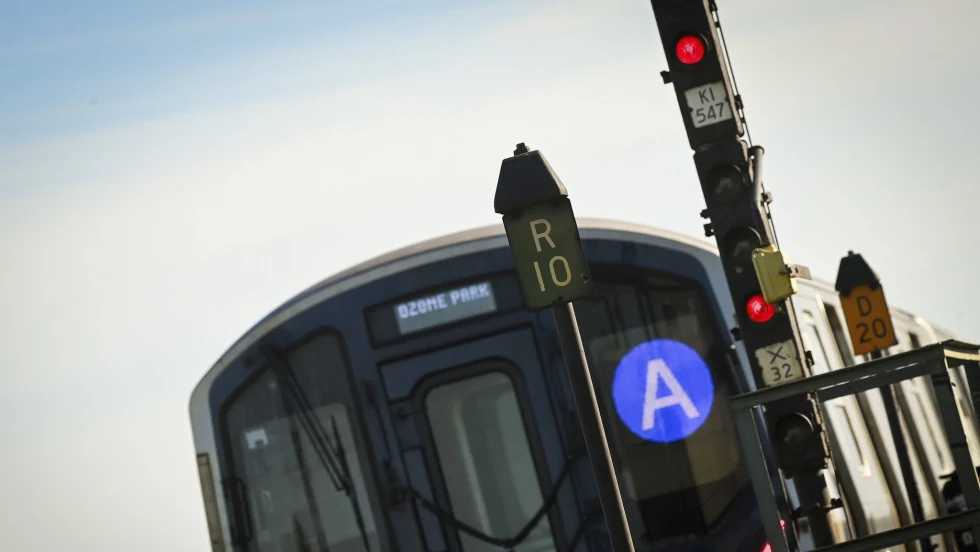
New York MTA Launches Historic $1.9B Signal, Track Modernization Project
Funded in part by congestion pricing revenue, the project will replace nearly century-old signals along the A and C lines in Brooklyn and Queens.
Read More →
Brian Dickson on Building Stronger, More Resilient Transportation Organizations
Bus Business Consultants Founder Brian Dickson discusses the leadership principles, operational discipline, and strategic planning that separate transportation companies positioned for long-term success from those stuck in survival mode.
Read More →
LA Metro Breaks Ground on Vermont BRT Project
The 12.4-mile corridor is projected to serve 66,200 daily riders, reduce travel times by up to 24%, and create the nation's busiest bus rapid transit corridor.
Read More →
Building Stronger Leaders, More Resilient Transit Teams
Dr. Carol Parker Walsh discusses leadership development, employee retention, workplace culture, and preparing transit’s workforce for AI and automation.
Read More →
Roman Cornell on ABC Companies’ Evolution and the Future of Passenger Transportation
The company’s CEO discusses carrying forward a third-generation family legacy, ABC’s continued evolution in passenger transportation, support for increasingly complex fleets, and how technology and continued investment could help operators improve uptime.
Read More →
CATS Launches West Charlotte Microtransit Zone, Expands Transit Services
The new microtransit zone connects residents to key destinations as Charlotte Area Transit System rolls out the first phase of its 2055 Transit System Plan.
Read More →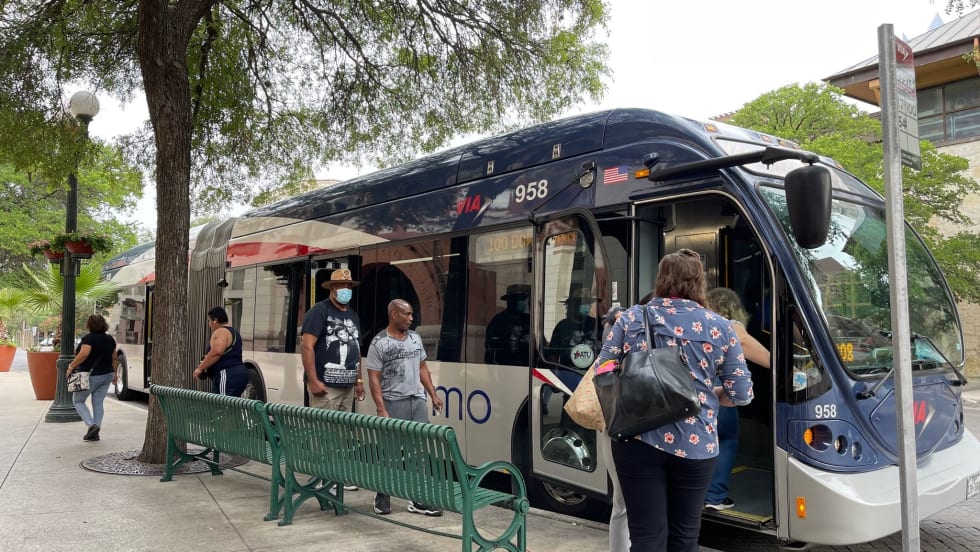
VIA Bus Ridership Grows 10.1% Through August 2026
San Antonio's VIA Metropolitan Transit reported the highest bus ridership growth among major Texas transit systems. Federal Transit Administration data ranked it second among the nation's 50 largest transit systems.
Read More →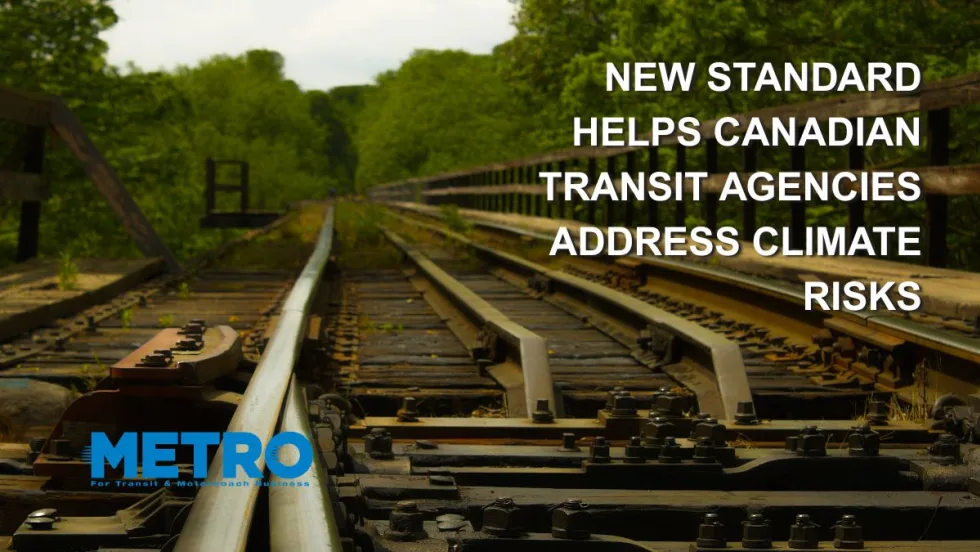
CSA Group Releases Climate Resilience Standard for Transit, Passenger Rail
Developed with support from the Standards Council of Canada, CSA D700 guides assessing climate-related risks and planning adaptation measures for transit and passenger rail systems.
Read More →
ETA CEO John Maglio on Transit Technology, Innovation, and Building Agency Trust
ETA founder and CEO John Maglio explores the evolution of transit technology, the importance of reliable systems, and how stronger partnerships can help agencies improve operations and the passenger experience.
Read More →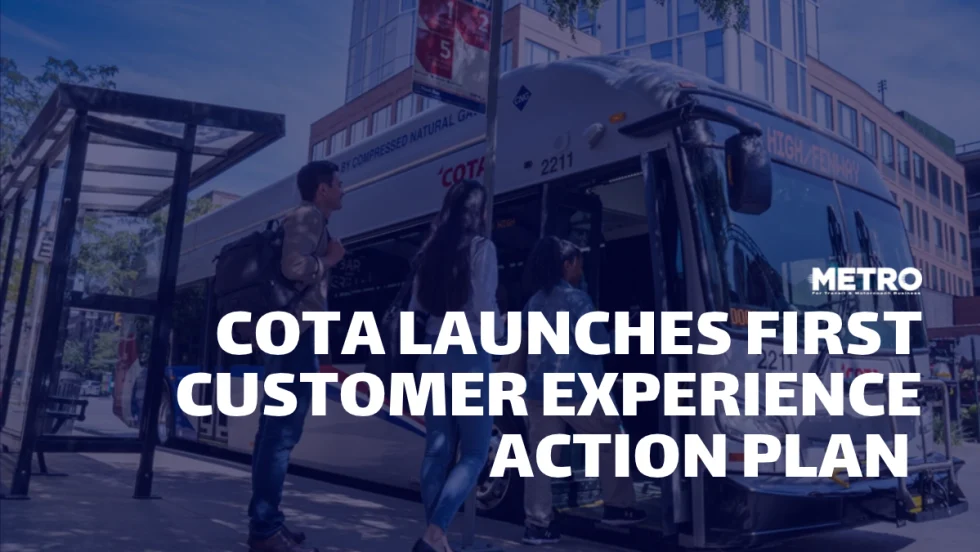
COTA Launches First Customer Experience Action Plan to Improve Transit Service
The new plan outlines improvements to service reliability, accessibility, communication, and the overall rider experience across Central Ohio's transit system.
Read More →