



2016 Women in Transportation: Margareth Bonds
Bonds' efforts on behalf of the industry includes outreach to educate elected officials on the need for a balanced approach to funding our nation’s transportation infrastructure.

Bonds’ efforts on behalf of the industry includes outreach to educate elected officials on the need for a balanced approach to funding transportation infrastructure.

Bonds’ efforts on behalf of the industry includes outreach to educate elected officials on the need for a balanced approach to funding transportation infrastructure.
Born in Haiti, then moving to New York at age 11, Margareth Bonds studied math and science in preparation for a career in medicine. Realizing early on, however, that she couldn’t stand the sight of blood, and didn’t particularly care for hospitals, she switched her major to business administration. This decision ultimately led to her leadership of a highly-successful nonprofit and running her current employer’s nationwide state and local government relations program, all while raising a family as a single mom. “It’s funny how the things you study don’t necessarily always end up being what you do for a living,” she says while reflecting on her career path.
After taking time off to start a family, Bonds re-entered the workforce via the Conference of Minority Transportation Officials (COMTO), where she first came face-to-face with public transportation. In 1992, COMTO, the organization that was created to provide support and a forum for women and minorities in the transit industry, developed its first nationally-based position in Washington, D.C. Bonds was brought on as deputy director where she worked in all facets of the organization, from membership retention to chapter development and finance management. After a brief time away from the organization, Bonds returned in 1997 as CEO and provided the leadership that shaped it into a flourishing organization.
“The organization went through difficult times in the mid-1990s, but with the support of an amazing board, we developed into one of the most respected organizations in the industry. I was proud to be a part of something so exciting and rewarding,” says Bonds, who contributes much of that success to the support she received from transit leaders across the country and to her husband Andrew, who at the time, served on the board and led much of the fundraising efforts.
From there, the California-based national engineering and construction firm, Parsons, an active member of COMTO, offered Bonds a position in their Washington, D.C. office as a business development manager. Fifteen years later, Bonds is a sr. VP at Parsons, managing the company’s state and local government relations program, a role that requires a great level of people skills and diplomacy. She attributes those skills to her years at COMTO, where she had “all of the responsibility to accomplish the mission of the organization without much authority over the nearly all-volunteer staff.”
Her responsibilities at Parsons are vast. She is involved in all aspects of outreach to elected officials, from reviewing and approving political contributions and funding for ballot measures to facilitating meetings between Parsons’ senior level staff and elected officials. She loves problem-solving and describes her job as “solving puzzles.” “Often, when I get a call, it is to resolve an issue and when we can get all of the pieces to fit together, it’s exhilarating,” Bonds explains.
Bonds continues to be active in a number of industry organizations. Her efforts on behalf of the industry includes outreach to educate elected officials on the need for a balanced approach to funding our nation’s transportation infrastructure. Additionally, she works closely with Parsons’ federal liaison and industry associations to communicate to members of Congress the importance of passing a long-term transportation bill.
“If I could start over and choose my career again, I’d probably choose professional golf,” Bonds says about what she does outside of work. She is very active and also loves to swim, bike and play racquet sports. Her work involves extensive travel, but when she is not on the road, most of her free time is devoted to family. “My biggest accomplishment in life is always going to be my two children, but I am also fortunate to have had such terrific opportunities and support in my career at COMTO and Parsons,” she says.
More Management
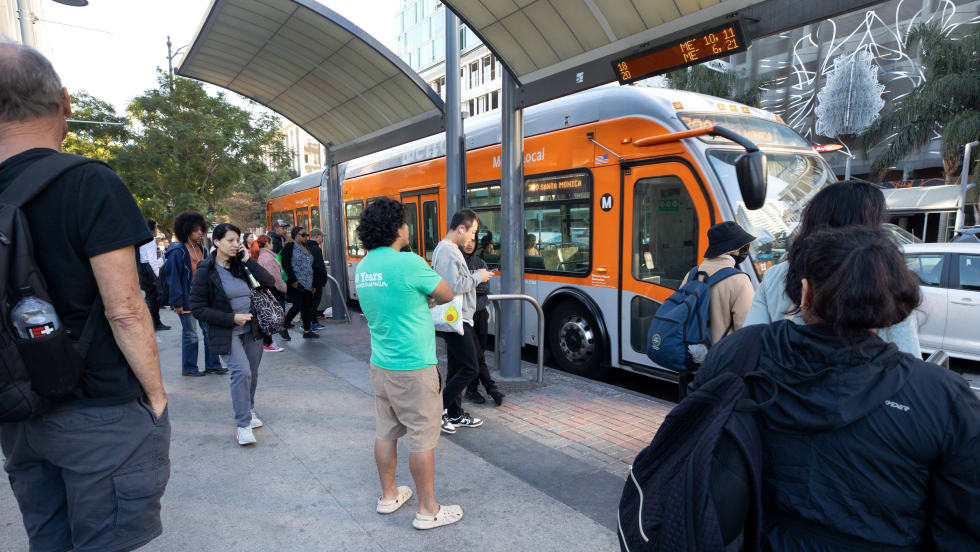
LA Metro Ridership Continues Growth as Rail Gains Accelerate
New rail connections and major events help drive continued ridership gains, with Metro recording its eighth consecutive month of year-over-year rail growth.
Read More →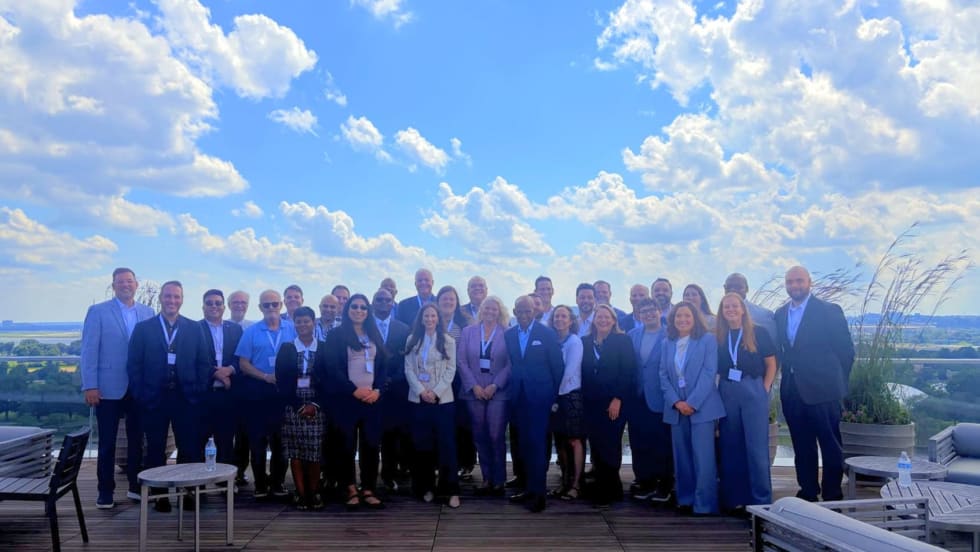
TransDASH Summit Focuses on Measuring What Matters in Transit
Transit agencies unveil a national performance platform designed to benchmark customer experience, safety, community value, and other outcomes.
Read More →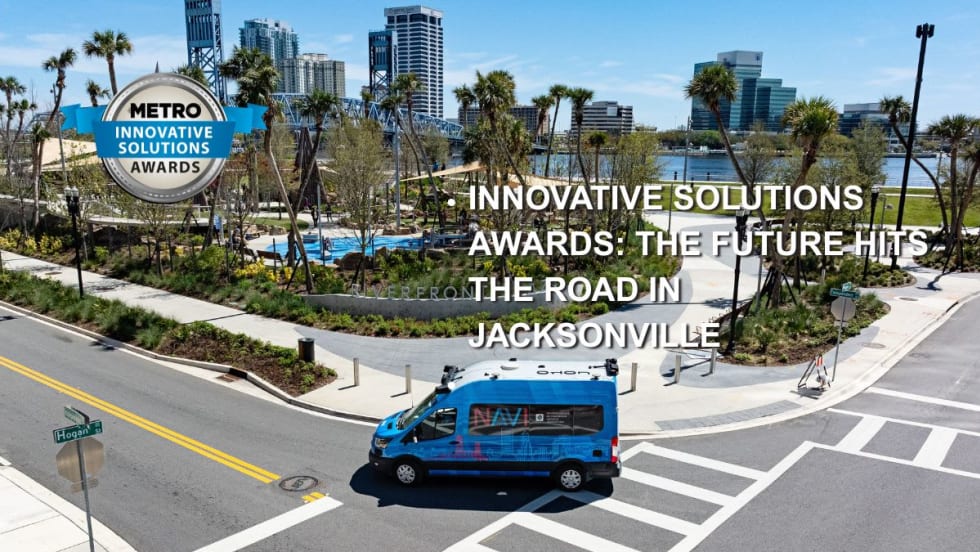
Jacksonville’s NAVI Project Charts a New Course for Autonomous Public Transportation
Through its NAVI program, JTA is showing how autonomous vehicles, intelligent infrastructure, and coordinated operations can work together to deliver everyday public transportation.
Read More →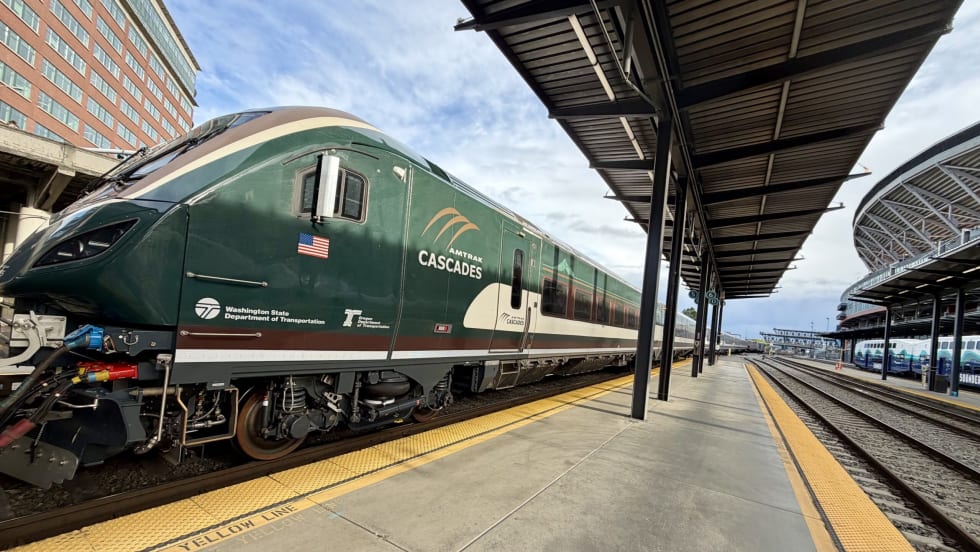
FRA Announces $5.3B in Rail Investments, Including $2B for Amtrak
Funding will support grade-crossing improvements, infrastructure upgrades, and new Amtrak equipment in 23 states.
Read More →
Finding the ‘Happy Medium’: Optimizing Maintenance Without Sacrificing Reliability
The key to maintenance optimization isn’t doing less work—it’s doing the right work at the right time on the right assets.
Read More →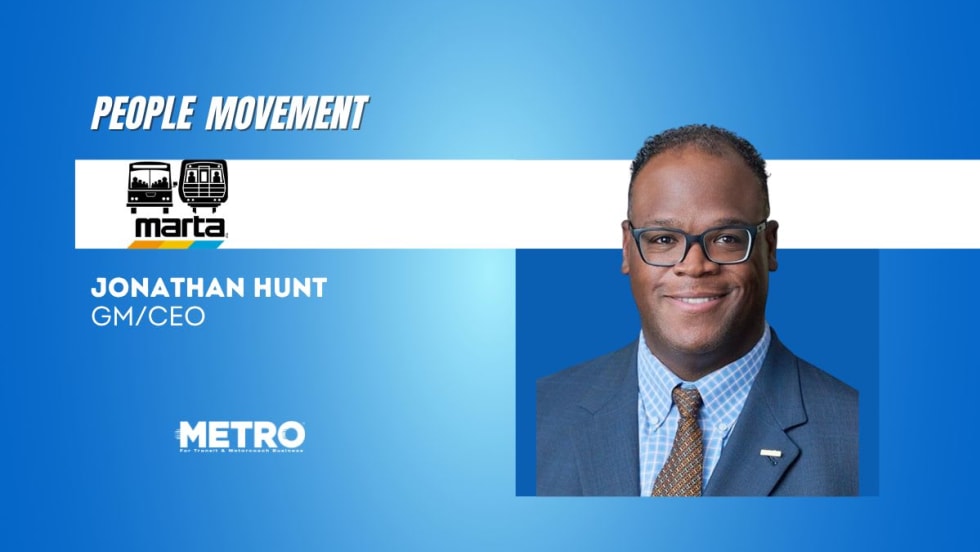
People Movement: MARTA Drops Interim Tag on GM/CEO Hunt and More
In this edition, METRO covers recent appointments and announcements at the FMCSA, HDR, SilverRide, and more, showcasing the individuals helping to shape the future of transportation.
Read More →
VIA Metropolitan Transit Reports 2 Million More Passenger Trips as Better Bus Plan Gains Momentum
San Antonio's transit agency said accelerated service improvements are driving ridership growth, offering another example of how increased frequency and workforce investments can translate into stronger transit performance.
Read More →
ABAF Study Reveals Growing Insurance Crisis for Motorcoach Operators
Preliminary findings show 98% of operators faced premium increases over the past five years, while shrinking insurer participation is putting added pressure on businesses and customers.
Read More →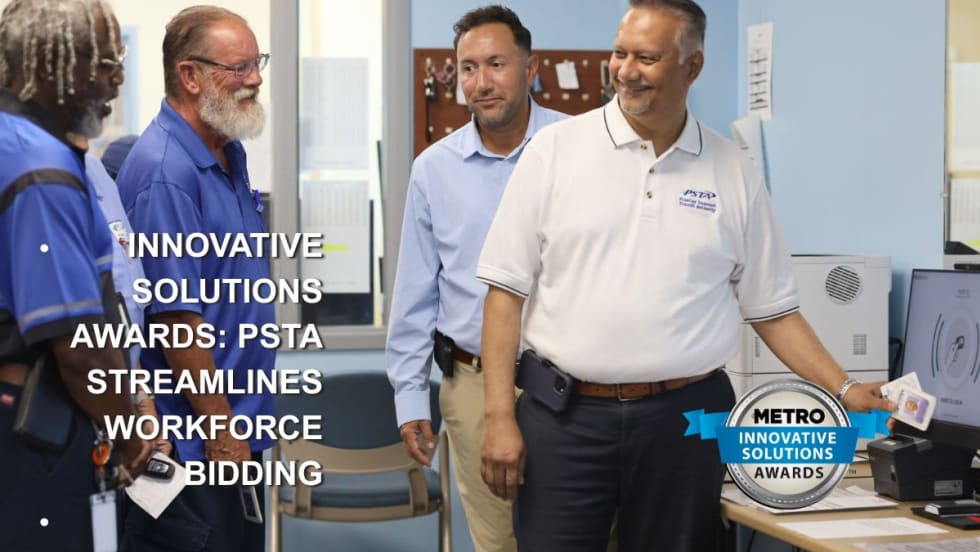
PSTA Modernizes Workforce Management with Digital Bidding System
The award-winning Workforce Transit Modernization project replaced paper bidding with a transparent digital platform, cutting administrative effort while improving access for operators.
Read More →
Chicago to Host Public Transportation's Biggest Gathering at APTA TRANSform & EXPO 2026
North America’s largest public transportation gathering returns to Chicago, connecting transit decision-makers with the technologies, ideas, and partnerships driving the industry forward.
Read More →