Baltimore vehicles are scheduled to arrive, beginning in October 2013, at Alstom’s Hornell, N.Y., facility where the refurbishment will be executed. The project will add about 15 years to the lifespan of the trains.
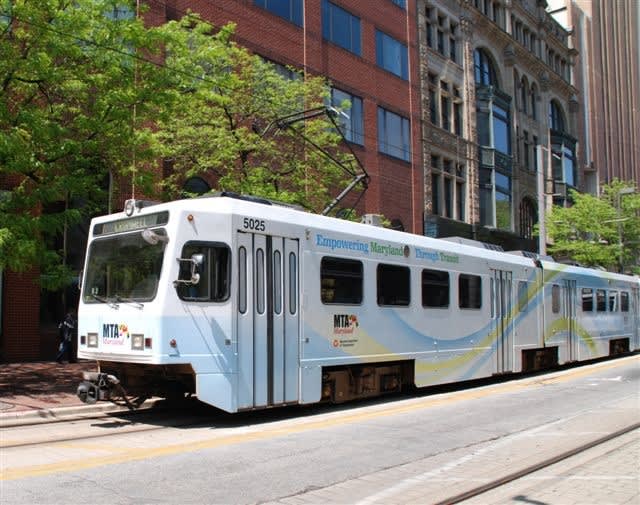
Alstom was awarded a $150 million contract by the Maryland Transit Administration (MTA) to overhaul Baltimore’s entire fleet of 53 light rail vehicles (LRV).
Baltimore LRVs are scheduled to arrive, beginning in October 2013, at Alstom’s Hornell, N.Y., facility where the refurbishment will be executed. The project will add about 15 years to the lifespan of the trains.
Ad Loading...
This overhaul is one of several projects the state of Maryland is implementing as part of an ambitious program to improve the safety, reliability and service of its transportation systems. The first Baltimore LRVs were manufactured some 25 years ago, with the fleet carrying nearly 28,000 riders a day between downtown Baltimore, northern suburbs and BWI-Thurgood Marshall Airport.
The first major step in the modernization process involves dynamic testing on a few trains to base line their current performance. The results of these tests are used to document improved performance of the vehicles after renovation. The next step after testing is to remove all interior and exterior components from each car and address any necessary car body repairs. Alstom will then re-equip each train with new propulsion systems; on-board automatic train control technology; closed circuit TVs (CCTV); climate control units; and new doors, seating and carpets.
To minimize impacts on MTA riders, a maximum of five trains at a time will be removed from service. The overhaul program will last approximately four years, with the last overhauled vehicle returning to Baltimore in May 2018.
Alstom’s maintenance business in North America (Transport Life Services) will lead the MTA LRV modernization project.
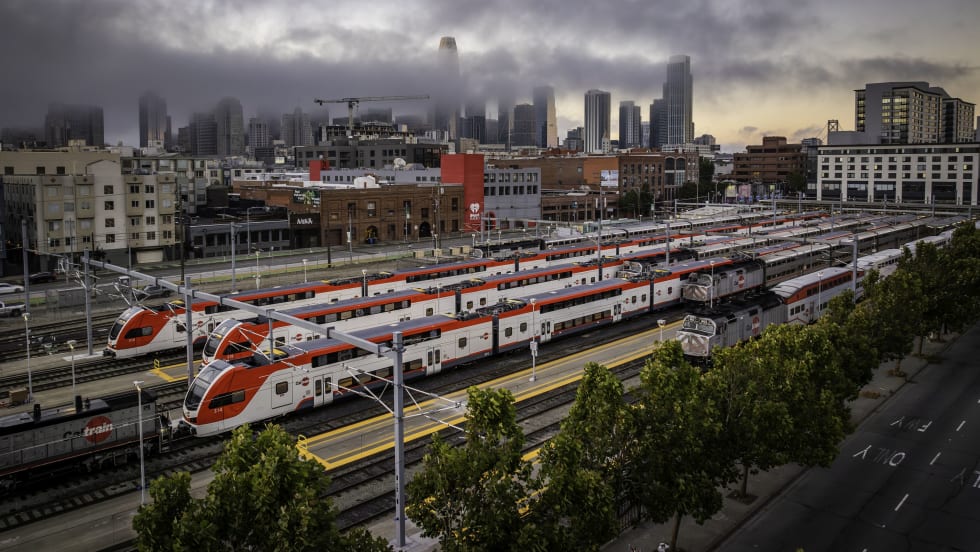
The Peninsula Corridor Joint Powers Board recently met for a budget workshop, during which staff outlined the significant service reductions Caltrain could be forced to make without new external funding.
In this edition, we cover recent appointments and announcements at Alstom, VIA Metropolitan Transit, Transdev US, and more, showcasing the individuals helping to shape the future of transportation.
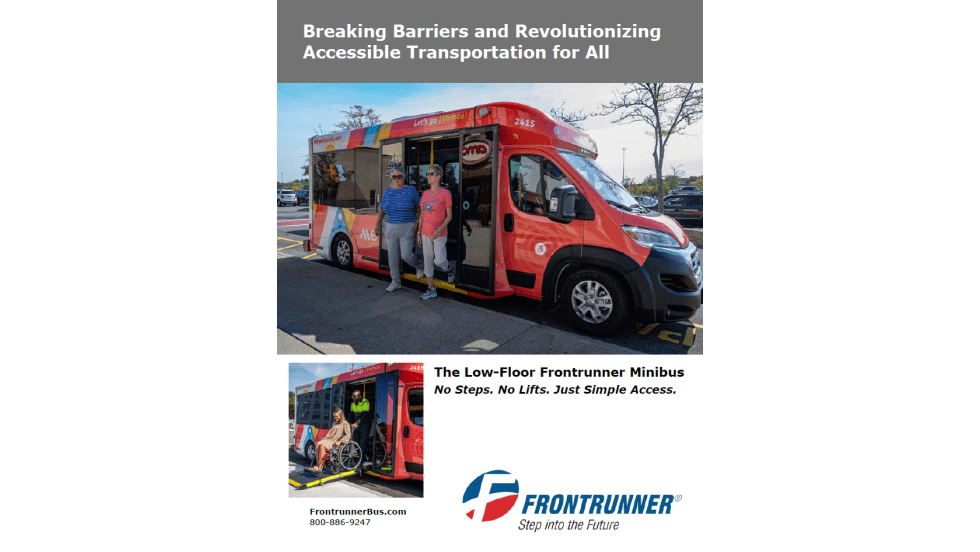
Accessible transit isn’t a feature—it’s a responsibility. This whitepaper explores how the Low-Floor Frontrunner is redefining mobility with a breakthrough design that removes barriers, empowers riders, and delivers measurable operational advantages for agencies. Discover why this next generation minibus is setting a new standard for inclusive transportation.
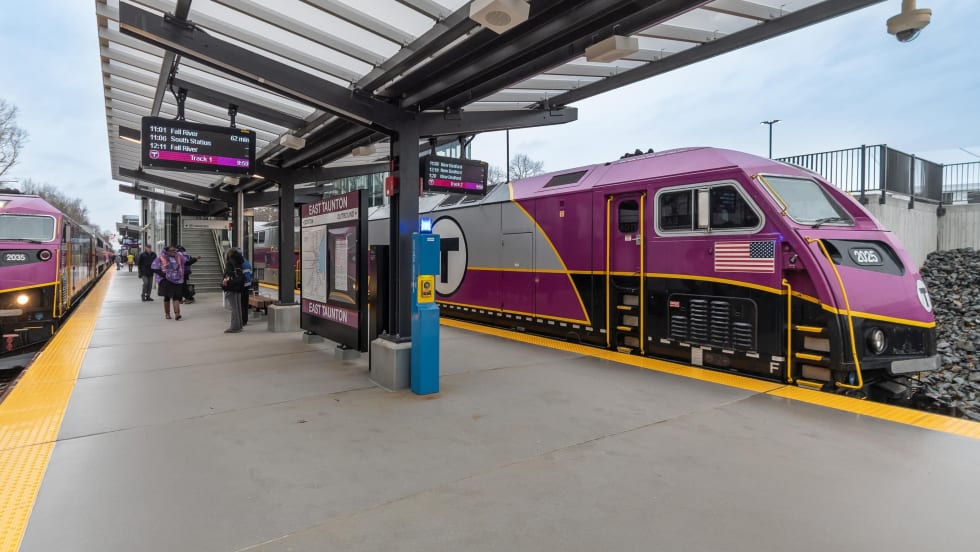
With major events and increased travel expected across the state this summer, the Administration is focused on making sure people have a reliable, affordable alternative to driving so we can reduce congestion, support daily commuters, and keep Massachusetts moving.
As the American Bus Association marks its 100th year, a new ABA Foundation report highlights the Marketplace’s role as a key revenue engine for the bus and group travel industry.
As motorcoaches navigate increasingly congested urban corridors filled with pedestrians, cyclists, scooters, and distracted drivers, safety leaders across the industry are confronting a growing challenge: visibility.