



N.Y. MTA marks Jamaica Station's 100th anniversary
The station opened for business in 1913 as was part of newly elevated right-of-way in Jamaica that did away with street level grade crossings for the first time.

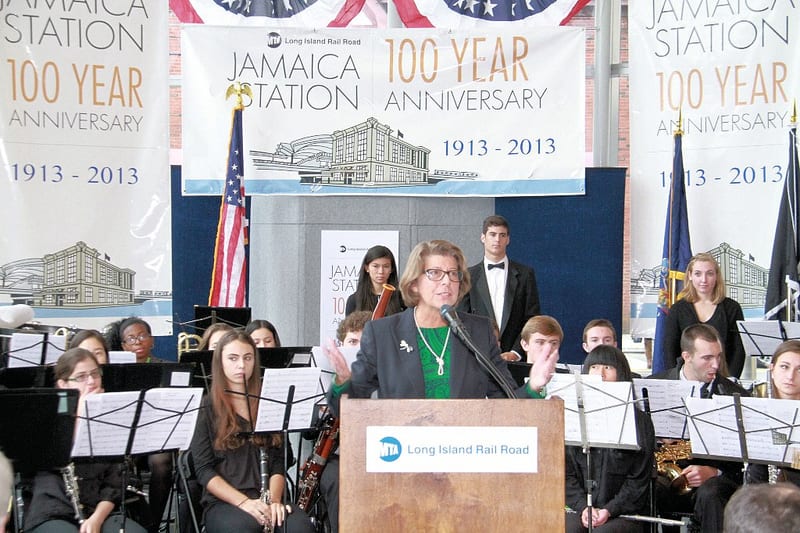
Long Island Rail Road President Helena E.Williams speaks during the celebration milestone on Wednesday, October 23, 2013. Photo credit: MTAPhotos

New York Metropolitan Transportation Authority (MTA) Chairman/CEO Thomas F. Prendergast and MTA Long Island Rail Road (LIRR) President Helena E. Williams marked the 100th anniversary of Jamaica Station, rededicating the historic transportation hub and transfer point for 10 of the LIRR’s 11 branches that is used by 150,000 commuters every day.
The important role of Jamaica Station, memorialized in railroad lexicon by the catch phrase “Change at Jamaica” has made commuting between Long Island and New York City possible for generations of LIRR customers. The station opened for business in 1913 as was part of newly elevated right-of-way in Jamaica that did away with street level grade crossings for the first time.
Williams noted the LIRR’s longtime partnership with the Greater Jamaica Development Corporation in ongoing efforts to maintain and improve downtown Jamaica’s vibrant commercial center. The restoration of the LIRR’s century old headquarters building, located at Archer Avenue and Sutphin Boulevard, is part of the Railroad’s commitment to the local community.
“We are proud to be a part of Greater Jamaica,” said Williams. “Our headquarters and Jamaica Station has been an anchor in this neighborhood for 100 years, bringing tens of thousands of travelers to Jamaica annually. We hope, with this restoration, to be here at least another 100 years.”
For much of the last year, LIRR headquarters was veiled in scaffolding and steel grey safety netting as the LIRR Engineering Department employees and a private contractor, Alps Mechanical Inc., labored on building elements that had seriously deteriorated over the years. The restoration effort was carried out in an effort to be consistent with the historic character of the building under the direction of the LIRR’s Department of Program Management.
In coming years, the MTA and LIRR are planning more than $300 million in infrastructure improvements as part of the first phase of the Jamaica Capacity Improvements Project. Phase 1 encompasses design and construction in support of East Side Access, the new path to Manhattan that will bring LIRR customers to Grand Central Terminal and East Midtown for the first time.
The work includes the construction of a new platform specifically dedicated to scoot service between Jamaica and Atlantic Terminal, Brooklyn; the removal and installation of switches; realignment of track; reconfiguration of the Johnson Avenue Train Yard; construction of a freight train bypass track and modification to the existing signal system.
More Management
New Tricks for Old Bureaucracies: Joshua Schank on Making Transit Innovation Stick
Former LA Metro Chief Innovation Officer Joshua Schank discusses why good ideas aren't enough, how transit agencies can overcome resistance to change, and why today's challenges demand more innovation.
Read More →
Washington's Community Transit Sets Six-Year Roadmap for Growth, Expansion
Approved TDP targets more bus service, new mobility options, Swift BRT expansion, and a potential Everett Transit annexation.
Read More →
OKC Streetcar Makes Zero-Fare Service Permanent
Ridership increased an average of 71% compared with the same period a year earlier during the fare-free pilot.
Read More →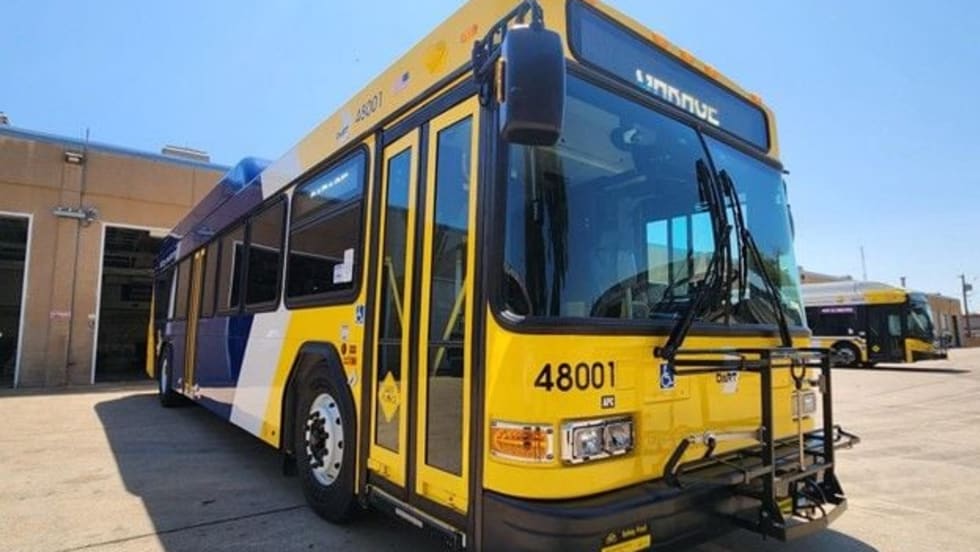
DART Customer Satisfaction Reaches Six-Year High
Overall satisfaction rose to 74.9%, while the agency’s Net Promoter Score reached a record 33.7.
Read More →
House Surface Transportation Bill Advances as Transit Funding Debate Intensifies
A bipartisan transportation package moving through Congress could redefine how the U.S. funds highways, transit, and motorcoach travel, while igniting new fights over electrification, regulation, and federal priorities.
Read More →
How Data, Strategy, and Community Engagement Are Reshaping Transit
In this edition of METROspectives, strada360 CEO Steve Lassey discusses how transit agencies can better align planning with operations, leverage data to improve decision-making, and build public trust as they prepare for the future of mobility.
Read More →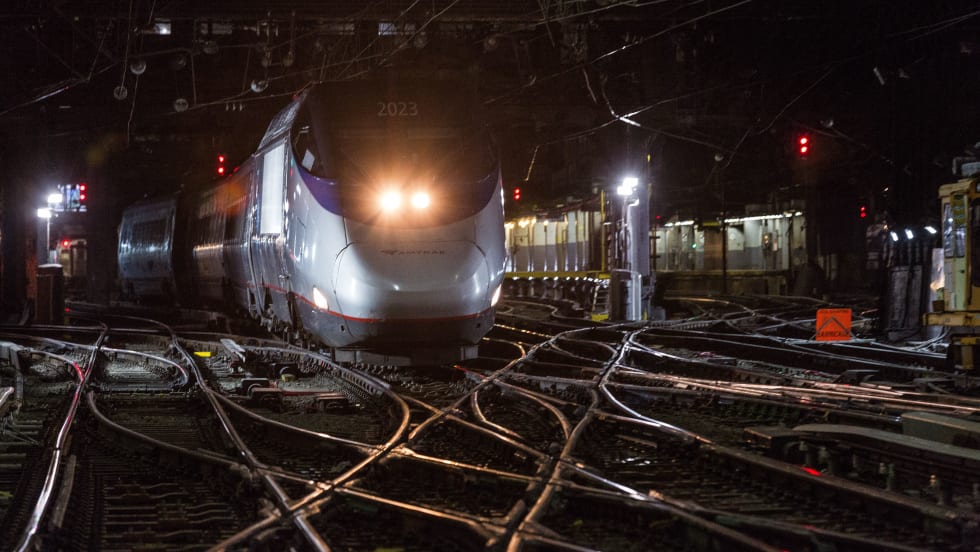
Amtrak Board Advances Plan to Restructure Organization, Seeks Public Input
The proposal, developed by Amtrak management and approved by the board for further consideration, is intended to modernize the organization's structure while improving accountability, operational efficiency, and customer service.
Read More →
Turn Transit Data Into Action
Discover how leading agencies are using connected technology to gain real-time visibility across operations, improve service reliability, and reduce disruptions.
Read More →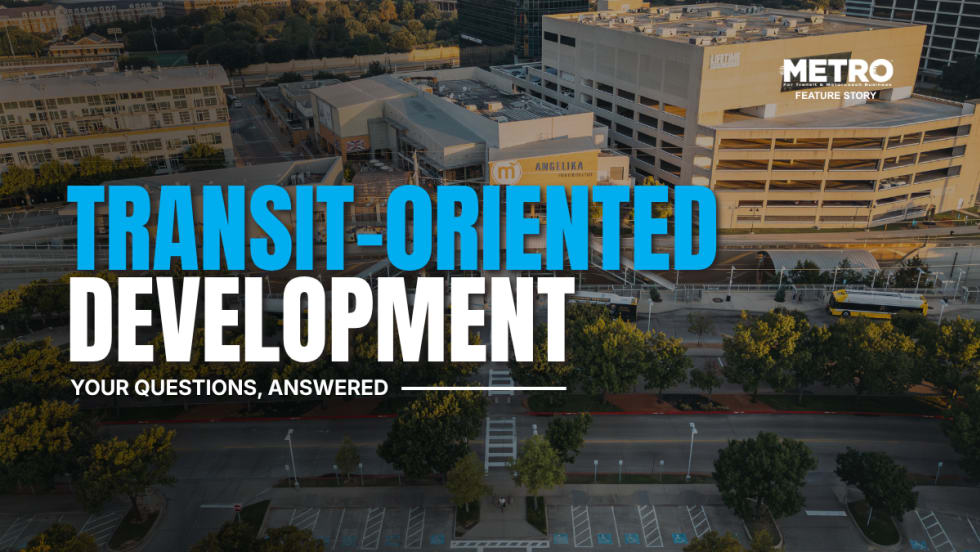
What Transit-Oriented Development Means for the Future of Public Transportation
Once viewed primarily as transit operators, agencies are now leveraging land, partnerships, and long-term planning to boost ridership, expand housing, and strengthen communities.
Read More →
USDOT Announces $22 Million for Transit Innovation, Updates High-Speed Rail Rules
New federal transit funding will support safety, accessibility, and technology projects as updated rail regulations establish new noise standards for high-speed trains.
Read More →