



Caltrain issues electrification RFQ for San Fran.-to-San Jose line
Key components of the project include an electric power infrastructure and replacing diesel trains with high-performance electric trains.

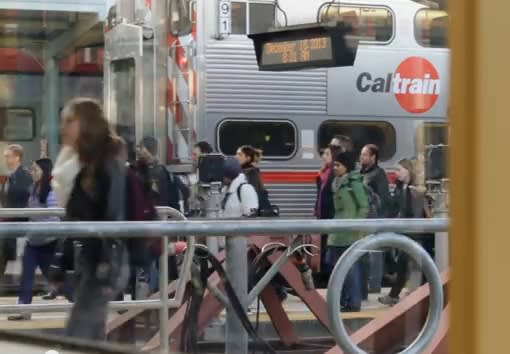
Caltrain screenshot

Caltrain screenshot
California commuter rail service, Caltrain released a Request for Qualification (RFQ) for the contract for the electrification portion of its service between San Francisco and San Jose that will be begin operation in 2019.
Key components of the project include an electric power infrastructure and replacing diesel trains with high-performance electric trains.
RELATED:Caltrain electrification would boost region's economy
The RFQ is focused on the design and construction of the electric power infrastructure and is an opportunity for design-build teams to go through a qualification process before the Request for Proposals (RFP) are issued.
The RFP for the electrification portion of the project is expected to be issued early next year, after the project has received environmental clearance. Only prequalified teams will be able to submit a proposal. The contract is expected to be the largest contract ever awarded by the Peninsula Corridor Joint Powers Board.
The Caltrain Modernization Program will achieve the next generation of the railroad by transforming the existing diesel service into an electrified system that provides cleaner, quieter, improved service to more riders.
Over the past decade, Caltrain has made important service improvements that have led to extraordinary ridership gains, according to system officials. Today, the system serves a record-breaking 54,000 riders on an average weekday. With commute-hour trains operating at capacity, Caltrain must modernize to sustain continued ridership growth and to meet the growing financial, social and environmental needs of the communities it serves.
A video overview of the project:
Interested design-build teams can view the RFQ on the agency’s procurement website.
More Management
People Movement: ABC Names John Walsh as Chief Commercial Officer
In this edition, METRO also covers recent appointments and announcements at the DART, STV, and more, showcasing the individuals helping to shape the future of transportation.
Read More →
From Surviving to Thriving: Building Stronger Transportation Organizations
Bus Business Consultants founder Brian Dickson shares lessons on leadership, organizational health, and creating options for long-term success in a changing transportation industry.
Read More →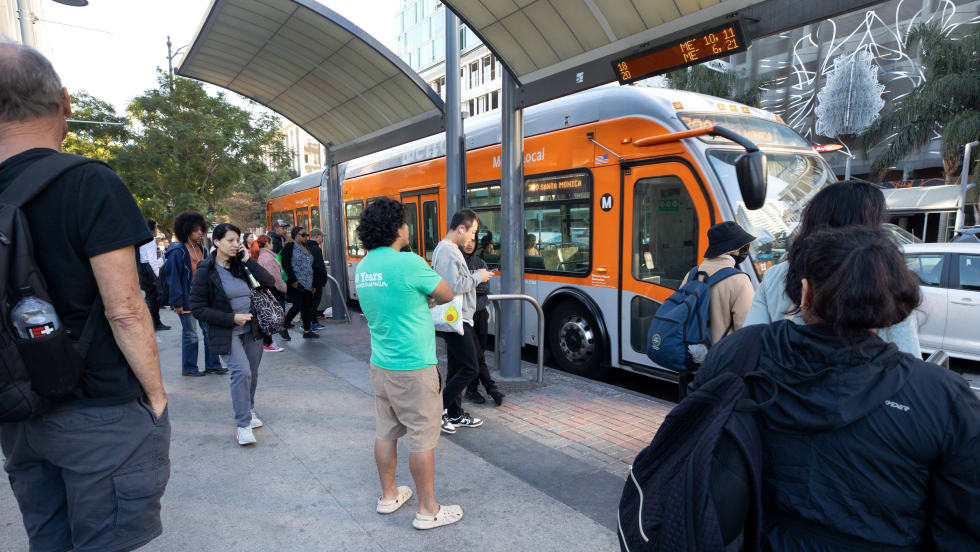
LA Metro Ridership Continues Growth as Rail Gains Accelerate
New rail connections and major events help drive continued ridership gains, with Metro recording its eighth consecutive month of year-over-year rail growth.
Read More →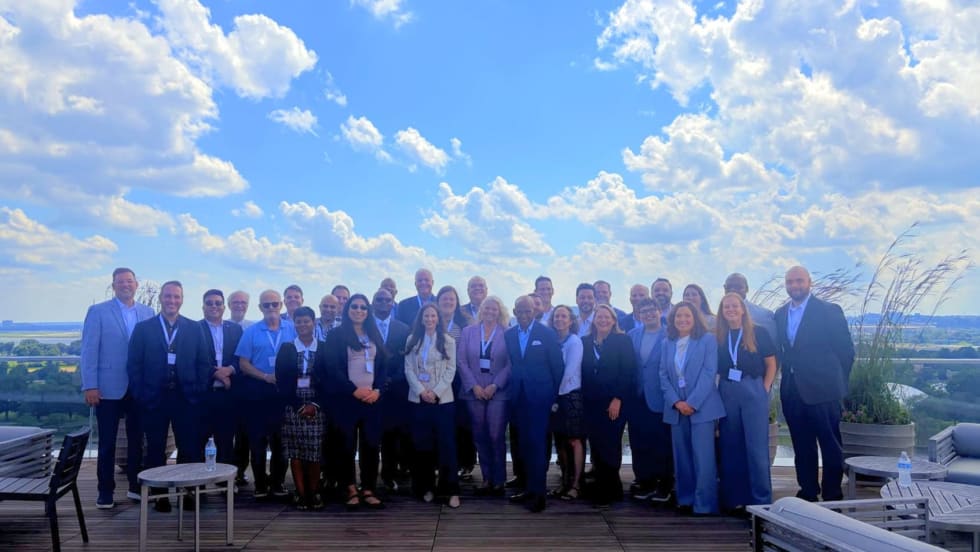
TransDASH Summit Focuses on Measuring What Matters in Transit
Transit agencies unveil a national performance platform designed to benchmark customer experience, safety, community value, and other outcomes.
Read More →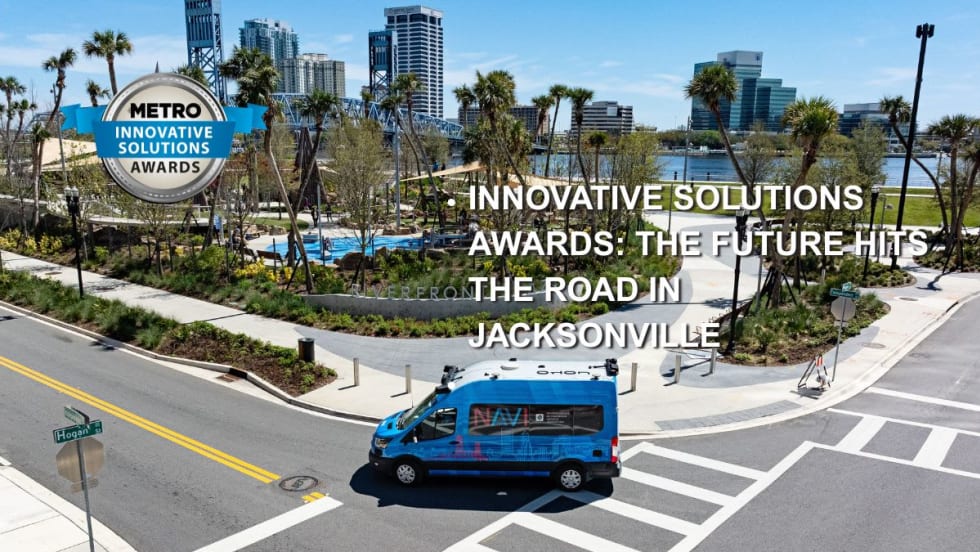
Jacksonville’s NAVI Project Charts a New Course for Autonomous Public Transportation
Through its NAVI program, JTA is showing how autonomous vehicles, intelligent infrastructure, and coordinated operations can work together to deliver everyday public transportation.
Read More →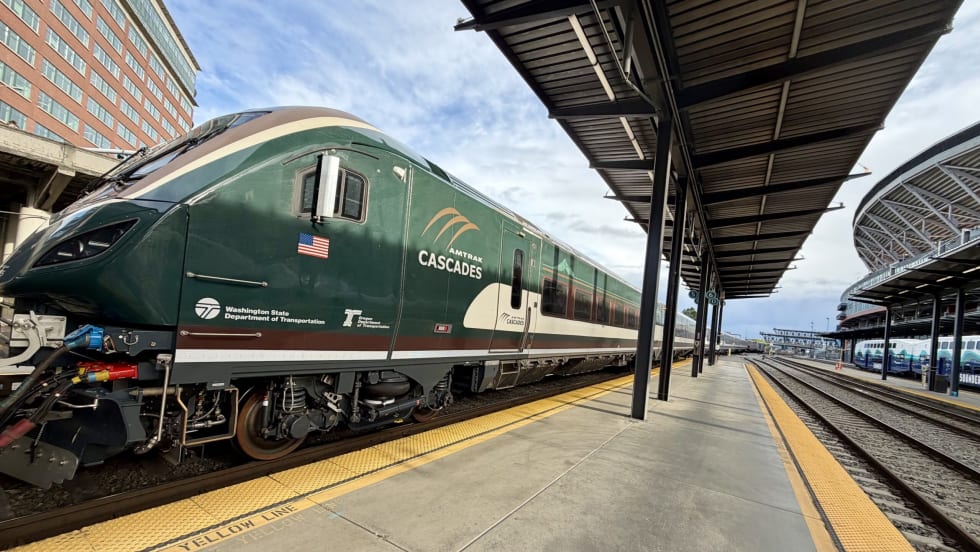
FRA Announces $5.3B in Rail Investments, Including $2B for Amtrak
Funding will support grade-crossing improvements, infrastructure upgrades, and new Amtrak equipment in 23 states.
Read More →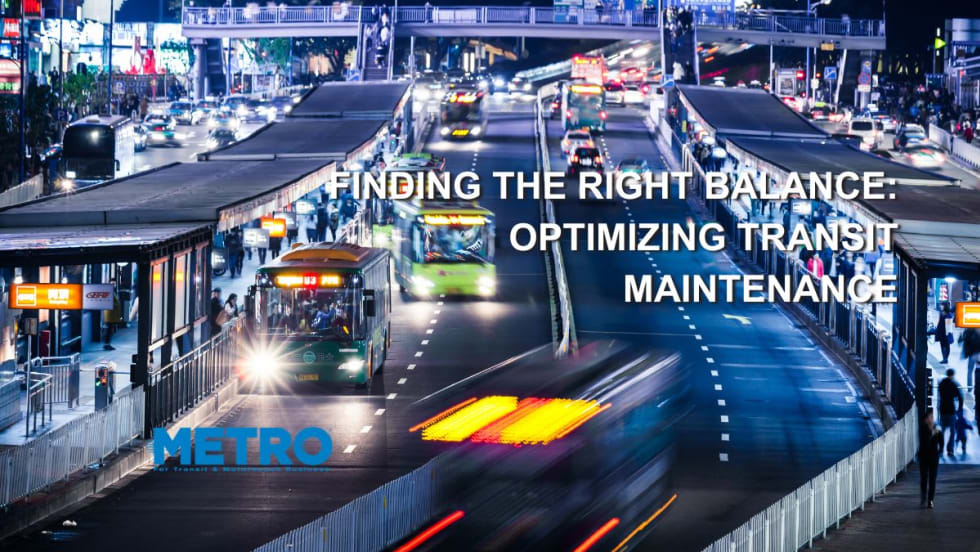
Finding the ‘Happy Medium’: Optimizing Maintenance Without Sacrificing Reliability
The key to maintenance optimization isn’t doing less work—it’s doing the right work at the right time on the right assets.
Read More →
People Movement: MARTA Drops Interim Tag on GM/CEO Hunt and More
In this edition, METRO covers recent appointments and announcements at the FMCSA, HDR, SilverRide, and more, showcasing the individuals helping to shape the future of transportation.
Read More →
VIA Metropolitan Transit Reports 2 Million More Passenger Trips as Better Bus Plan Gains Momentum
San Antonio's transit agency said accelerated service improvements are driving ridership growth, offering another example of how increased frequency and workforce investments can translate into stronger transit performance.
Read More →
ABAF Study Reveals Growing Insurance Crisis for Motorcoach Operators
Preliminary findings show 98% of operators faced premium increases over the past five years, while shrinking insurer participation is putting added pressure on businesses and customers.
Read More →