



Keolis prepares for slippery rail season caused by fall foliage
When train wheels run over wet leaves, the tremendous force crushes the leaves into a Teflon-like coating that can later cause train wheels to lose traction with the rail.


Photo Rob Bulmahn via Flickr

Photo Rob Bulmahn via Flickr
While the colors of autumn make for picture postcard scenery, the leaves can create special hazards for railroads as they fall on the tracks, making them wet and slippery. Keolis announced a new initiative to reduce the impact of wet leaves on train departures and arrivals throughout the MBTA commuter rail system this fall season.
“It doesn’t seem like it should be a big deal, but falling leaves can have a serious impact on the operations of any railroad located in regions where trees shed their foliage,” said Keolis GM Tom Mulligan.
A video produced by Keolis illustrates the problem and solutions. http://vimeo.com/109820783
According to Keolis officials, leaves fall on rail tracks and then become wet from rain or dew. When train wheels run over them, the tremendous force crushes the leaves into a Teflon-like coating that can later cause train wheels to lose traction with the rail. When a train attempts to speed up or slow down, this slippery substance - called pectin – can cause the wheels to slip along the rails. As a result, engineers are sometimes forced to slow down or brake early to prevent this sliding in the name of safety.
Keolis began monitoring slippery rail hot spots throughout the system in early October and has assigned a dedicated team to focus on leaf removal. The company uses a variety of specialized equipment to keep the tracks clear.
They include:
• High Pressure Rail Washer trains used for commuter rail routes out of North and South stations. These specialized trains contain a locomotive, a power washing car and a tank car to hold the water, which are used to reduce slippery rail hot spots by pressure washing the rails with 15,000 pounds per square inch of water, which hits the rails at 50 gallons per minute, leaving them free of leaf residue.
• Sanding equipment attached to each locomotive, allowing engineers to apply the sand manually to slippery rails.
• Specialized trucks that can apply a traction gel to problem areas, and is installing permanent trackside gel applicators in known trouble areas.
When slippery rail occurs on untreated rail, Keolis engineers are trained to adjust their speeds and braking for our passenger’s safety, sometimes causing delays.
“Fall is beautiful in New England, but slippery rails are not,” said Mulligan. “Unfortunately, leaf-slippage and related delays can’t be completely eradicated, but on-time performance is critical to us and our passengers, even when leaves get in our way. We are committed to making sure this yearly occurrence has as little impact on our passengers as possible by reducing the chance of delays so everyone in our region can enjoy the lovely fall season.”
Photo Rob Bulmahn
More Management
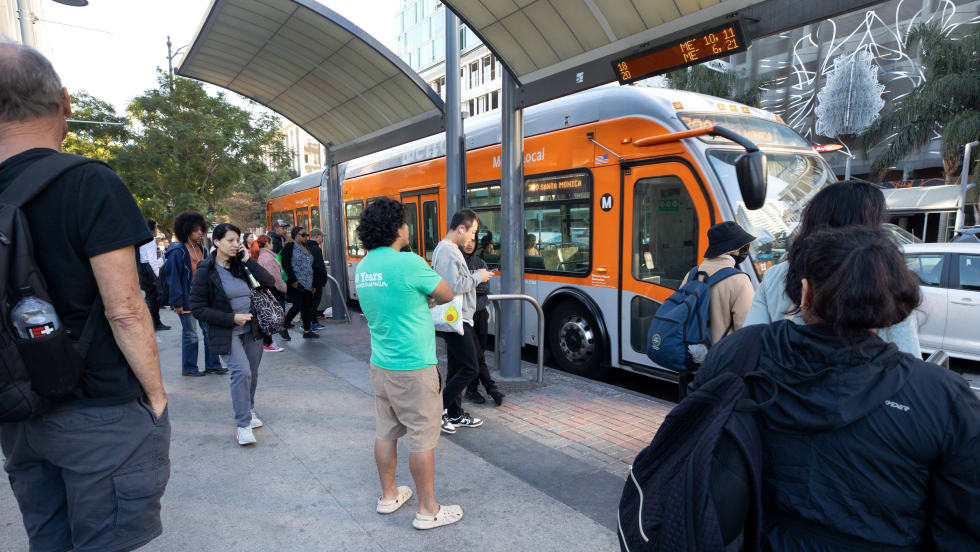
LA Metro Ridership Continues Growth as Rail Gains Accelerate
New rail connections and major events help drive continued ridership gains, with Metro recording its eighth consecutive month of year-over-year rail growth.
Read More →
TransDASH Summit Focuses on Measuring What Matters in Transit
Transit agencies unveil a national performance platform designed to benchmark customer experience, safety, community value, and other outcomes.
Read More →
Jacksonville’s NAVI Project Charts a New Course for Autonomous Public Transportation
Through its NAVI program, JTA is showing how autonomous vehicles, intelligent infrastructure, and coordinated operations can work together to deliver everyday public transportation.
Read More →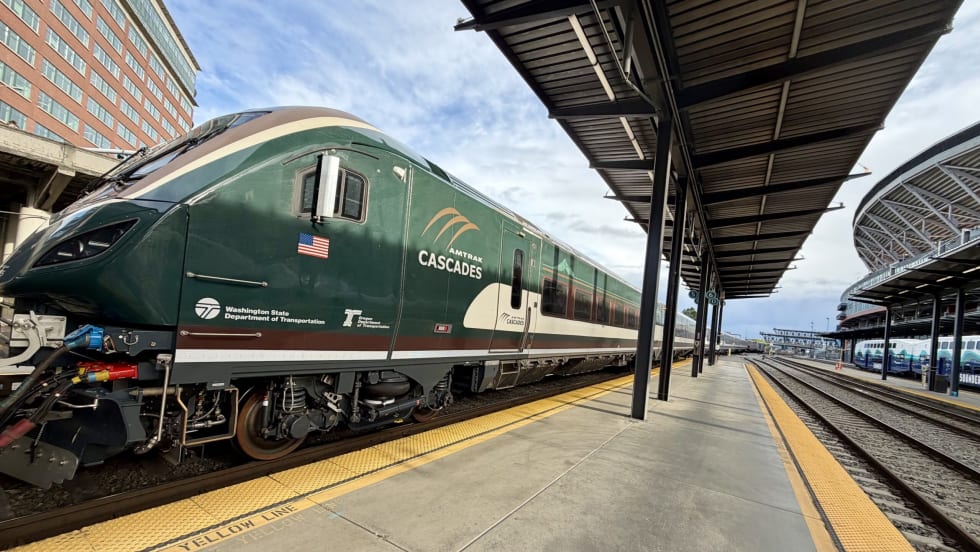
FRA Announces $5.3B in Rail Investments, Including $2B for Amtrak
Funding will support grade-crossing improvements, infrastructure upgrades, and new Amtrak equipment in 23 states.
Read More →
Finding the ‘Happy Medium’: Optimizing Maintenance Without Sacrificing Reliability
The key to maintenance optimization isn’t doing less work—it’s doing the right work at the right time on the right assets.
Read More →
People Movement: MARTA Drops Interim Tag on GM/CEO Hunt and More
In this edition, METRO covers recent appointments and announcements at the FMCSA, HDR, SilverRide, and more, showcasing the individuals helping to shape the future of transportation.
Read More →
VIA Metropolitan Transit Reports 2 Million More Passenger Trips as Better Bus Plan Gains Momentum
San Antonio's transit agency said accelerated service improvements are driving ridership growth, offering another example of how increased frequency and workforce investments can translate into stronger transit performance.
Read More →
ABAF Study Reveals Growing Insurance Crisis for Motorcoach Operators
Preliminary findings show 98% of operators faced premium increases over the past five years, while shrinking insurer participation is putting added pressure on businesses and customers.
Read More →
PSTA Modernizes Workforce Management with Digital Bidding System
The award-winning Workforce Transit Modernization project replaced paper bidding with a transparent digital platform, cutting administrative effort while improving access for operators.
Read More →
Chicago to Host Public Transportation's Biggest Gathering at APTA TRANSform & EXPO 2026
North America’s largest public transportation gathering returns to Chicago, connecting transit decision-makers with the technologies, ideas, and partnerships driving the industry forward.
Read More →