



Why did AC Transit's top exec leave?
Armijo, credited by directors and others with bringing the district out of financial difficulties, creating a budget reserve and improving service, said he went three years with only one pay increase, "and it was delayed for 10 months," according to the report.

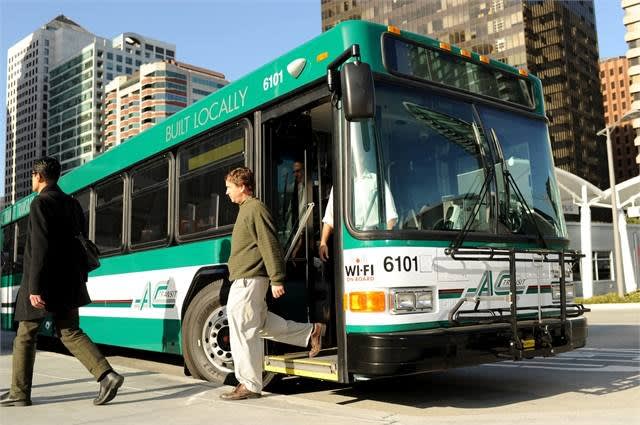
OAKLAND, Calif. — AC Transit's Board of Directors is saying little about the rift that led to the sudden resignation of the bus agency's GM David Armijo last week, but in an interview this week, Armijo said he had been treated unfairly, the Daily Democrat reported.
Armijo quit the afternoon before a scheduled board meeting to remove him as GM. Board President Chris Peeples told the San Francisco Chronicle, "We just wanted to go in a different direction."
RELATED:AC Transit builds 'A Better Ride' with new buses, enhanced services
Armijo, credited by directors and others with bringing the district out of financial difficulties, creating a budget reserve and improving service, said he went three years with only one pay increase, "and it was delayed for 10 months," according to the report. For the full story, click here.
More Management

RTD Launches NextRide App to Consolidate Trip Planning, Fares, Security Reporting
The app expands on RTD’s existing NextRide web application and allows customers to view real-time vehicle locations and service alerts, purchase and store digital fares, and access customer support.
Read More →
The Business Voice Behind Public Transportation
As chair of APTA’s Business Members Board of Governors, Ray Melleady explains how more than 850 business members are partnering with transit agencies to advance funding, innovation, and industry-wide collaboration.
Read More →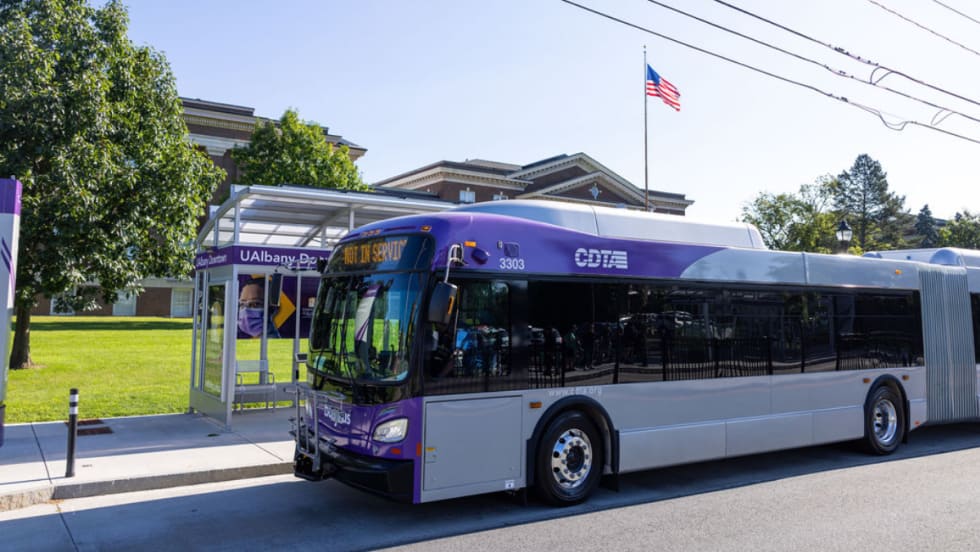
New York’s CDTA Service Rebalancing Boosts Productivity, On-Time Performance
Despite a slight dip in ridership, the agency’s FY2026 results show its service rebalancing strategy is helping the agency carry more riders per service hour while improving reliability.
Read More →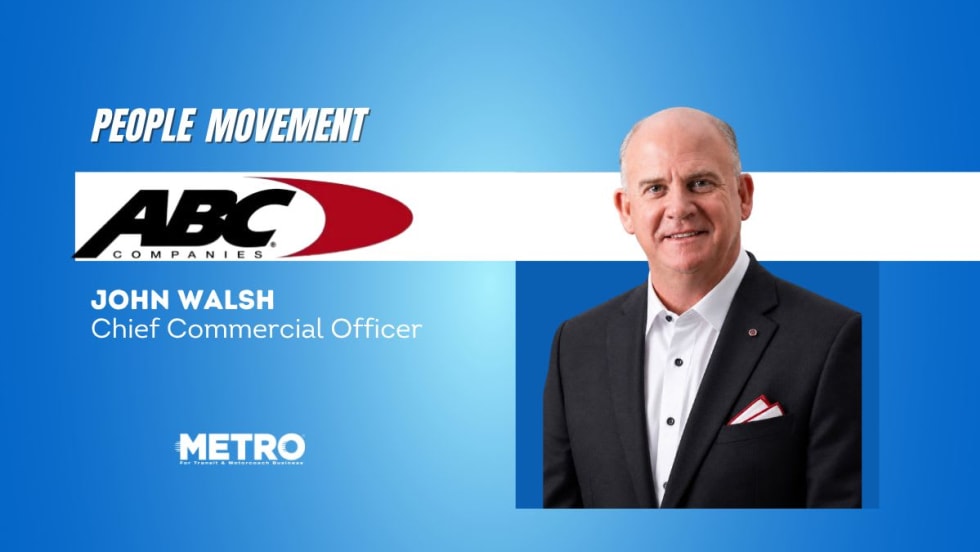
People Movement: ABC Names John Walsh as Chief Commercial Officer
In this edition, METRO also covers recent appointments and announcements at the DART, STV, and more, showcasing the individuals helping to shape the future of transportation.
Read More →
From Surviving to Thriving: Building Stronger Transportation Organizations
Bus Business Consultants founder Brian Dickson shares lessons on leadership, organizational health, and creating options for long-term success in a changing transportation industry.
Read More →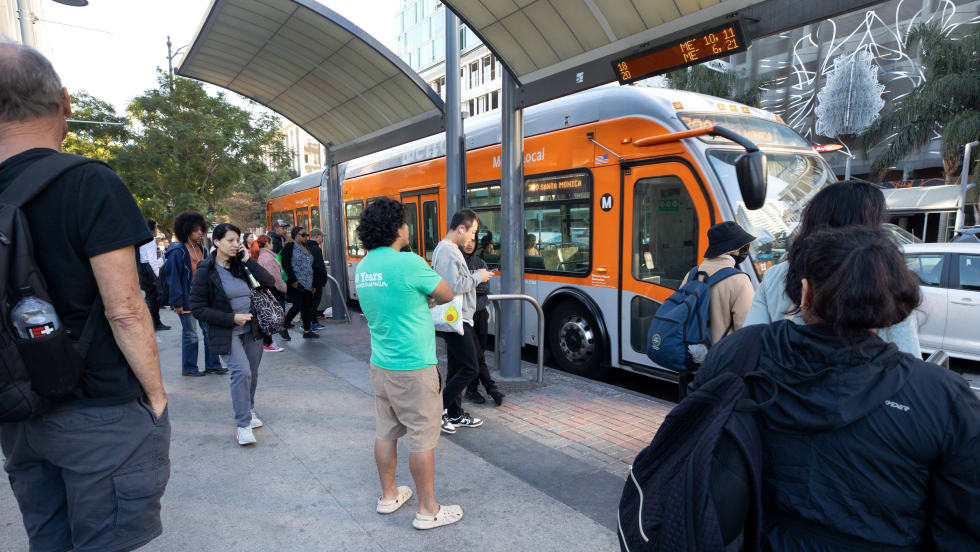
LA Metro Ridership Continues Growth as Rail Gains Accelerate
New rail connections and major events help drive continued ridership gains, with Metro recording its eighth consecutive month of year-over-year rail growth.
Read More →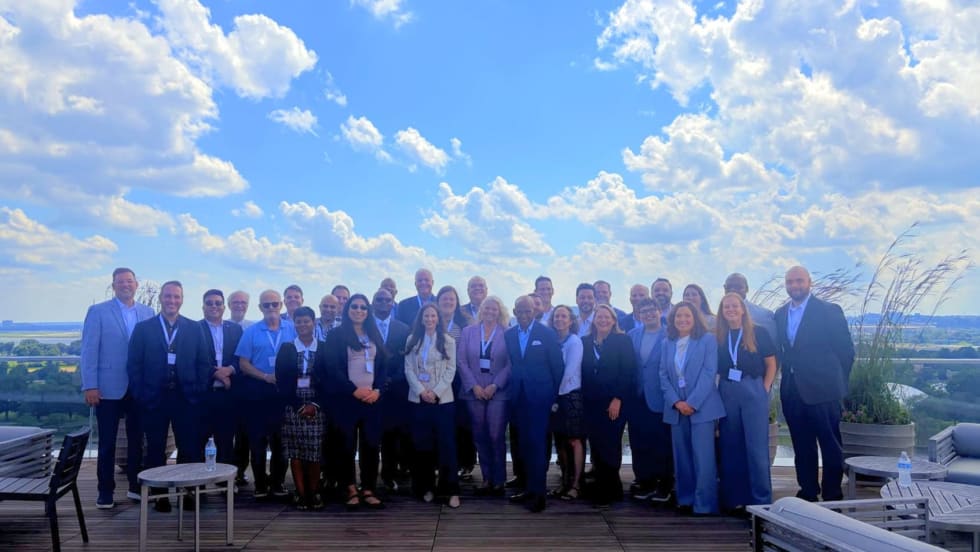
TransDASH Summit Focuses on Measuring What Matters in Transit
Transit agencies unveil a national performance platform designed to benchmark customer experience, safety, community value, and other outcomes.
Read More →
Jacksonville’s NAVI Project Charts a New Course for Autonomous Public Transportation
Through its NAVI program, JTA is showing how autonomous vehicles, intelligent infrastructure, and coordinated operations can work together to deliver everyday public transportation.
Read More →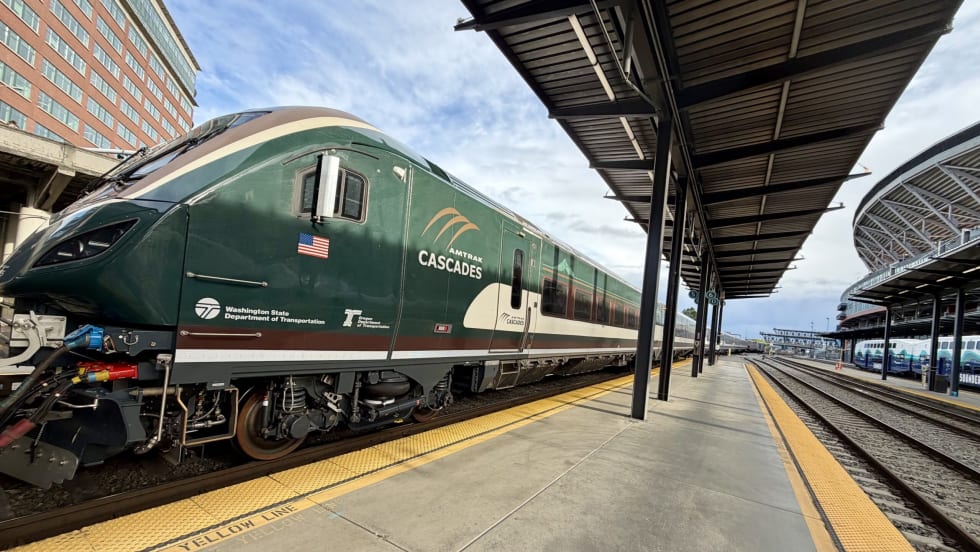
FRA Announces $5.3B in Rail Investments, Including $2B for Amtrak
Funding will support grade-crossing improvements, infrastructure upgrades, and new Amtrak equipment in 23 states.
Read More →
Finding the ‘Happy Medium’: Optimizing Maintenance Without Sacrificing Reliability
The key to maintenance optimization isn’t doing less work—it’s doing the right work at the right time on the right assets.
Read More →