



Pa. agency sued for not running atheists ads
Since 2012, the NEPA Freethought Society has tried unsuccessfully to run various ads on COLTS buses. The rejected ads say “atheists” along with the group’s name and/or website.

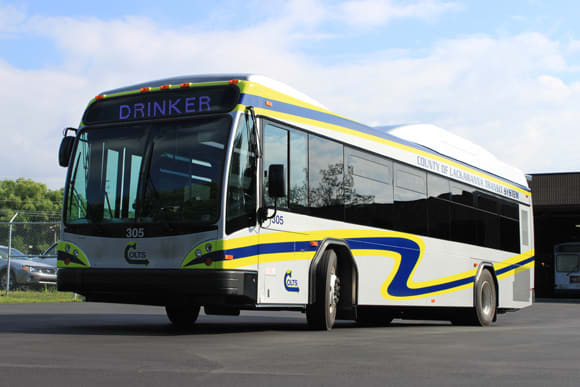
COLTS

The American Civil Liberties Union of Pennsylvania filed a federal lawsuit against the County of Lackawanna Transit System (COLTS) over its refusal to allow a local atheist group, the Northeastern Pennsylvania (NEPA) Freethought Society, to advertise on its buses. The lawsuit argues that the transit system violated NEPA Freethought Society’s free speech rights by rejecting its ads because of the group’s views.
Since 2012, the NEPA Freethought Society has tried unsuccessfully to run various ads on COLTS buses. The rejected ads say “atheists” along with the group’s name and/or website.
COLTS first turned down one of these ads under a policy that gave the agency discretion to reject ads it deemed "controversial" or that would spark debate or discussion of public issues. In commenting on the rejection, COLTS’ solicitors said the agency did not accept any ads “promoting” or “attacking” religion or ads intended to spark public debate. However, according to the complaint, for at least 10 years before NEPA Freethought Society tried to advertise, the agency never rejected a single ad.
In September 2013, the agency again rejected the society’s proposed “atheists” ad, explaining that COLTS believed the ad would “offend or alienate” some riders, causing the agency to lose money. Eight days after rejecting the ad, COLTS adopted a new advertising policy that explicitly banned ads that “promote the existence or non-existence of a supreme deity” or address religion.
In 2014, COLTS finally accepted a version of the NEPA Freethought Society’s ad after it removed the word “atheists.” According to the complaint, COLTS’ decision to ban all religious ads and begin enforcing its advertising policy was motivated by its dislike for NEPA Freethought Society’s beliefs.
More Management
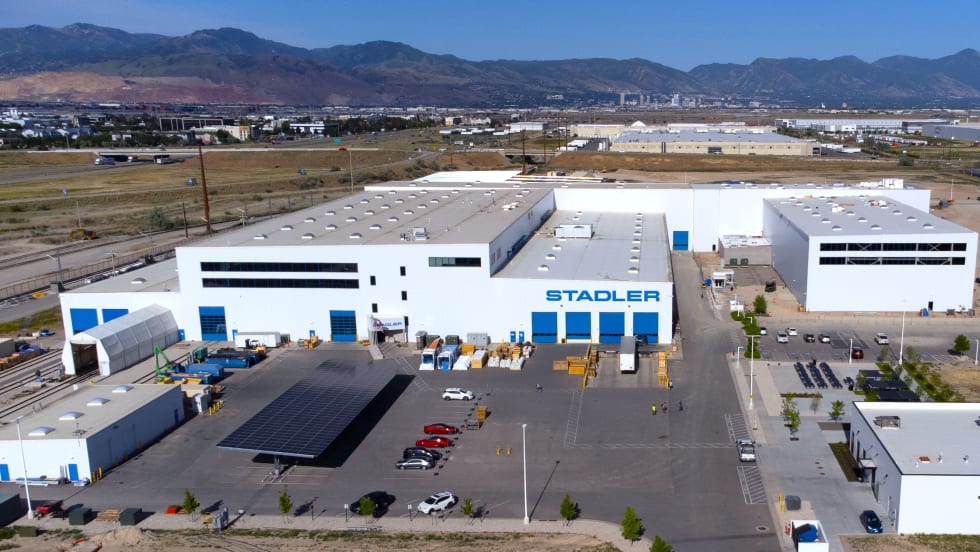
Stadler Marks 10 Years in the U.S. with Salt Lake City Expansion
The expansion is expected to create up to 300 new local jobs, some of which are youth apprenticeships, said Stadler officials.
Read More →
Hitachi Rail Completes Acquisition of Intelligent Transportation Systems Provider Clever Devices
The acquisition expands Hitachi Rail's North American presence and multimodal capabilities, combining rail and bus technologies to deliver more integrated digital solutions for transit agencies.
Read More →
Utah Transit Authority Adopts New Governance Model
State leaders said the changes will improve oversight, coordinate transportation investments, and support expanding transit service across the Wasatch Front.
Read More →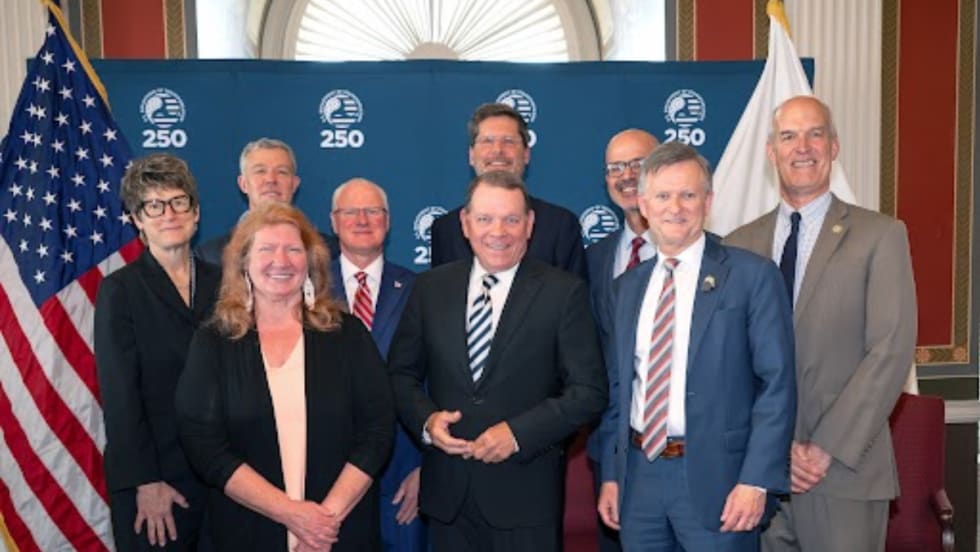
Federal Highway Administration Seeks Public Input on Future of Interstate System
The initiative invites feedback on new routes, major upgrades, and emerging transportation needs, including issues that could affect public transit and motorcoach operations.
Read More →
New York MTA to Replace Three East End LIRR Bridges
Each structure, built between 1895 and 1921, serves vehicular traffic over the LIRR’s Montauk Branch.
Read More →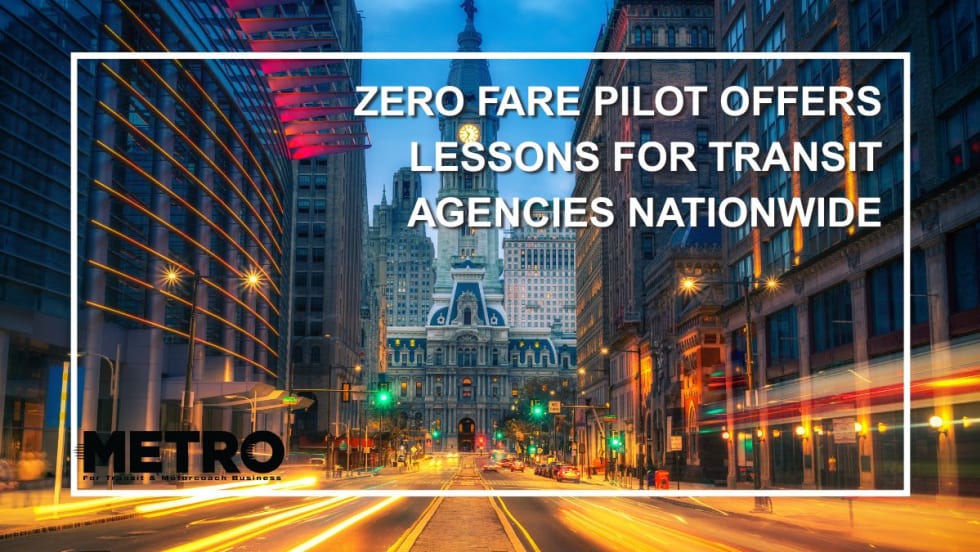
Transit Pilot Offers Lessons for Expanding Mobility Access
An Urban Institute evaluation found that a fare-free transit program increased ridership, reduced transportation barriers, and improved access to jobs, healthcare, and other essential services.
Read More →
Tolar Manufacturing Marks 35 Years in Transit Infrastructure Industry
Founded in 1991 by Gary Tolar, the Corona, Calif.-based company has expanded from its first major transit contract in San Diego to projects in cities throughout the US and Canada.
Read More →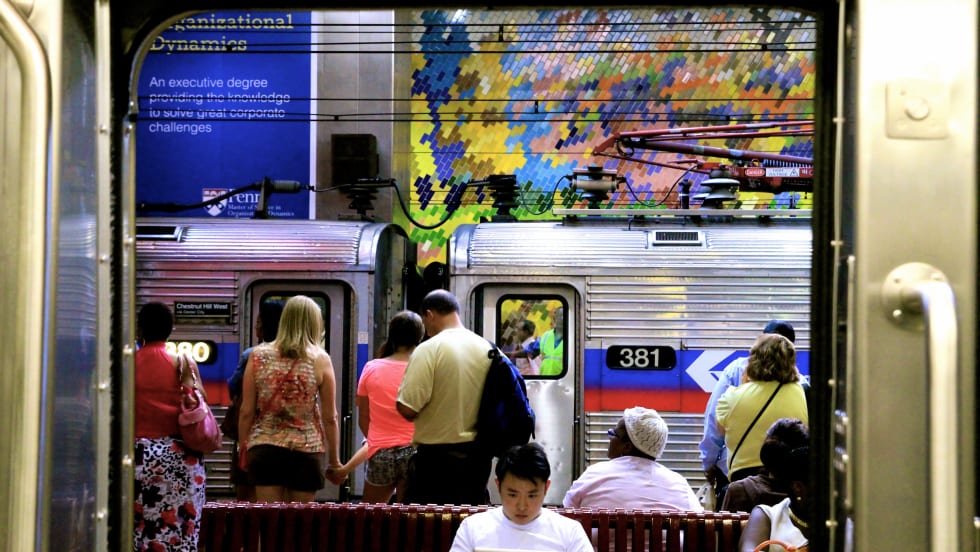
SEPTA Board Approves FY2027 Budget Amid Funding Challenges
The spending plan represents an increase of just 1.9% over the current year and includes investments in new buses, additional full-length fare gates, and other customer enhancements.
Read More →
North Carolina CATS Approves Fare Modernization, Fare Ambassadors Programs
The initiatives will introduce new payment options, fare capping, and rider education as the Charlotte transit agency looks to simplify fares and improve the customer experience.
Read More →
Executive Order Aims to Improve Transit Access Across California
The order directs state agencies to streamline transit project delivery, improve coordination, and expand access to bus and passenger rail services across California.
Read More →