



CTA announces plan to strengthen bus operator training
The changes are in line with the principles of a new safety framework being developed by the FTA, known as the Safety Management System. In November 2014, the FTA chose the CTA as the first transit agency in the nation to assist in the development of SMS.

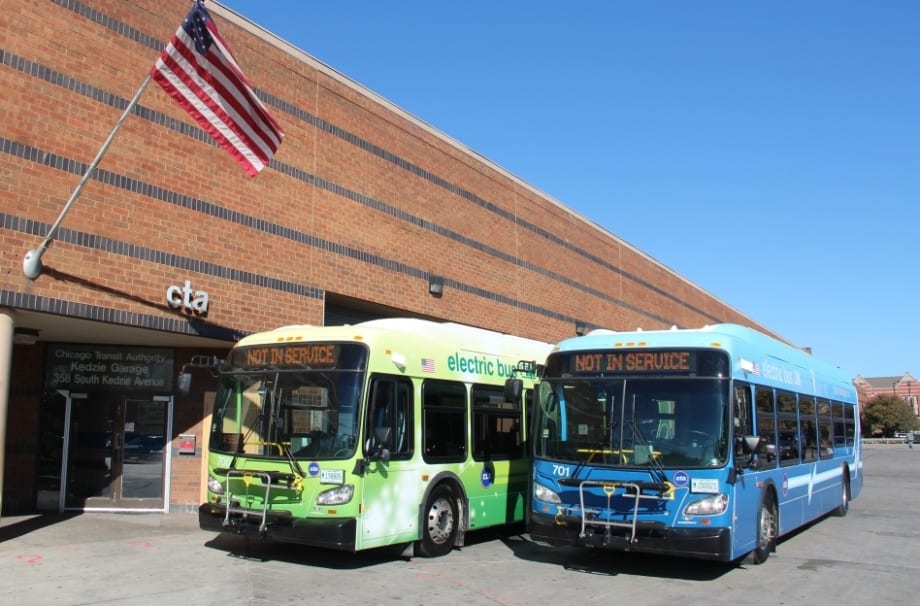
Chicago Transit Authority (CTA) President Dorval Carter Jr. announced the agency is taking new steps to expand and customize training for bus operators as part of the agency’s ongoing efforts to improve operations and enhance safety for customers.
The changes to training include:
Additional route-specific instruction for some routes, including those that operate in the Central Business District.
Increased ride-along evaluations by managers and supervisors to ensure proper adherence to procedures and policies.
An increase in the total number of training days for new bus operators, including additional “practicum training,” with bus instructors during field instruction.
“CTA already has a comprehensive, focused training program for all our operators and follows well-established practices similar to those of other transit agencies across the country,” Carter said. “But we are always looking for ways to better serve our passengers. By strengthening the training our operators receive, the CTA will improve what is already one of the best bus safety records in the country and, at the same time, enhance service to customers.”
In addition to changes to training, Carter said he has directed CTA staff to also undertake a study to identify the most challenging routes in terms of operations and technical skill. The analysis will consider a wide range of data, including traffic levels (vehicular, bike and pedestrian), ongoing construction, number of crashes/citations, passenger volumes and other factors. He has also directed senior bus operations managers to deploy more bus supervisory staff in the Central Business District to assist with daily operations.
The changes are in line with the principles of a new safety framework being developed by the Federal Transit Administration (FTA), known as the Safety Management System (SMS). In November 2014, the FTA chose the CTA as the first transit agency in the nation to assist in the development of SMS, which will develop uniform standards to upgrade and ensure safety for transit operations throughout the country.
As one of the first changes under SMS, starting later this month CTA bus operators will receive six weeks of training, which includes classroom instruction and field training and is comparable to training provided by many U.S. transit agencies. The extra week of training over the previous five-week program will include additional driving instruction and general safety training, and give CTA one of the most comprehensive bus-operator training programs of any major U.S. transit agency.
Additionally, all CTA operators are required to have a Commercial Driver’s License, with additional instruction/testing to receive endorsements for passenger vehicles and air brakes.
More Management

LA Metro Breaks Ground on Vermont BRT Project
The 12.4-mile corridor is projected to serve 66,200 daily riders, reduce travel times by up to 24%, and create the nation's busiest bus rapid transit corridor.
Read More →
Building Stronger Leaders, More Resilient Transit Teams
Dr. Carol Parker Walsh discusses leadership development, employee retention, workplace culture, and preparing transit’s workforce for AI and automation.
Read More →
Roman Cornell on ABC Companies’ Evolution and the Future of Passenger Transportation
The company’s CEO discusses carrying forward a third-generation family legacy, ABC’s continued evolution in passenger transportation, support for increasingly complex fleets, and how technology and continued investment could help operators improve uptime.
Read More →
CATS Launches West Charlotte Microtransit Zone, Expands Transit Services
The new microtransit zone connects residents to key destinations as Charlotte Area Transit System rolls out the first phase of its 2055 Transit System Plan.
Read More →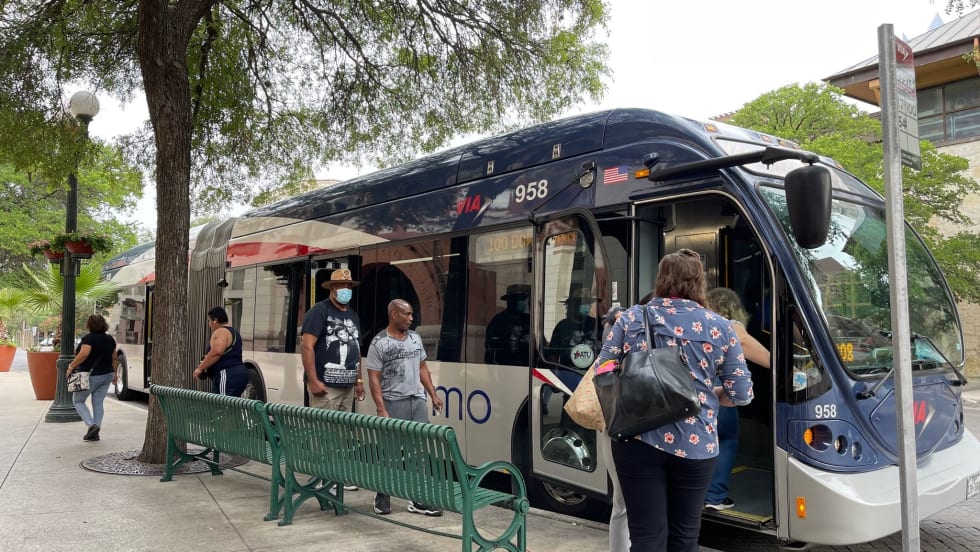
VIA Bus Ridership Grows 10.1% Through August 2026
San Antonio's VIA Metropolitan Transit reported the highest bus ridership growth among major Texas transit systems. Federal Transit Administration data ranked it second among the nation's 50 largest transit systems.
Read More →
CSA Group Releases Climate Resilience Standard for Transit, Passenger Rail
Developed with support from the Standards Council of Canada, CSA D700 guides assessing climate-related risks and planning adaptation measures for transit and passenger rail systems.
Read More →
ETA CEO John Maglio on Transit Technology, Innovation, and Building Agency Trust
ETA founder and CEO John Maglio explores the evolution of transit technology, the importance of reliable systems, and how stronger partnerships can help agencies improve operations and the passenger experience.
Read More →
COTA Launches First Customer Experience Action Plan to Improve Transit Service
The new plan outlines improvements to service reliability, accessibility, communication, and the overall rider experience across Central Ohio's transit system.
Read More →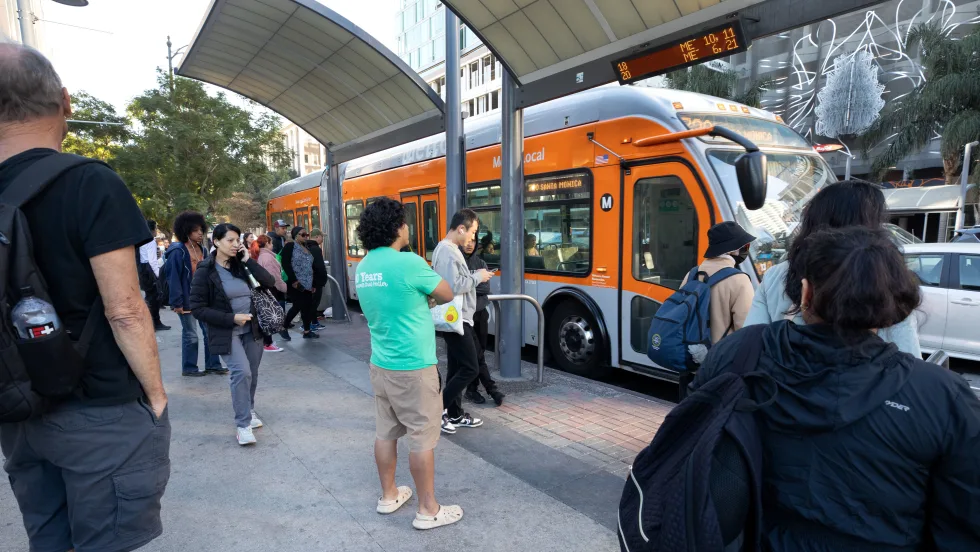
LA Metro September Ridership Climbs 3.9%, Led by Rail Growth
The agency recorded more than 27.2 million boardings, with rail ridership increasing 12.4% year over year and the D Line posting the largest gains.
Read More →
Utilimarc Launches SmartReplace to Optimize Fleet Replacement Decisions
AI-powered SmartReplace helps fleets prioritize vehicle replacements, model budget scenarios, and build more defensible long-term strategies.
Read More →