



San Diego MTS teams with UC San Diego to rename Blue Line Trolley
Will be renamed the “UC San Diego Blue Line,” to highlight the opportunity for all San Diegans to seek medical care at UC San Diego Health facilities.

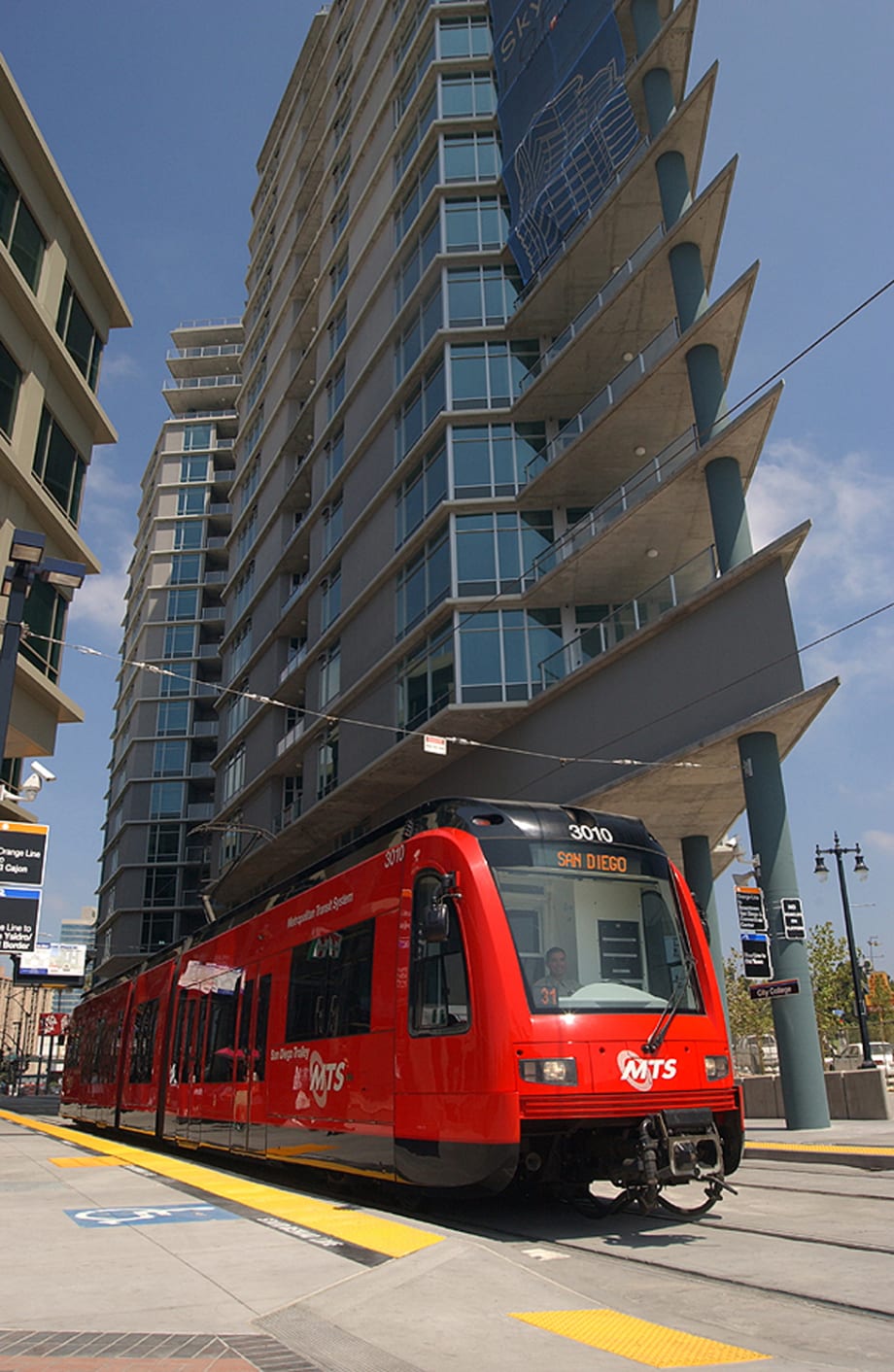
Brett Shoaf
Brett Shoaf
The San Diego Metropolitan Transit System (MTS) and UC San Diego Health announced the system’s Blue Line trolley system, which is in the process of being extended, will be renamed the “UC San Diego Blue Line,” to highlight the opportunity for all San Diegans to seek medical care at UC San Diego Health facilities.
“The health system has long been committed to playing an important and positive role in the life and lives of this region and its residents,” said Paul Viviano, CEO of UC San Diego Health. “This agreement is a figurative and literal reflection of that commitment. It represents a new, smart and sustainable way for San Diegans to visit, learn and access the diverse services we offer.”
MTS is currently working in conjunction with the San Diego Association of Governments, the California Department of Transportation, elected officials, and other stakeholders to develop and complete the 11-mile Blue Line extension (Mid-Coast Project) from Old Town to University Town Center by 2019.
“UC San Diego and MTS have been partners since 1969, working to encourage the use of public transportation,” said Paul Jablonski, MTS CEO. “The renaming of the Blue Line to the UC San Diego Blue Line takes our partnership to a new level. The UC San Diego Blue Line extension will not only provide a great new way to travel to campus, but UC San Diego Health will realize exceptional opportunities to increase awareness of its world-class medical facilities via the naming rights for 30 miles of light rail service.”
The 30-year agreement includes naming rights to three stations on the line: the existing station at Old Town, to be renamed Old Town UC San Diego Health South, and planned stations at the UC San Diego main campus and at the health campus in La Jolla, which includes UC San Diego Jacobs Medical Center, slated to open in 2016.
MTS will receive an annual fee, beginning at $675,000 with subsequent increases tied to Mid-Coast project completion and the local Consumer Price Index. All funding for the sponsorship is from non-state sources.
More Management
Utilimarc Launches SmartReplace to Optimize Fleet Replacement Decisions
AI-powered SmartReplace helps fleets prioritize vehicle replacements, model budget scenarios, and build more defensible long-term strategies.
Read More →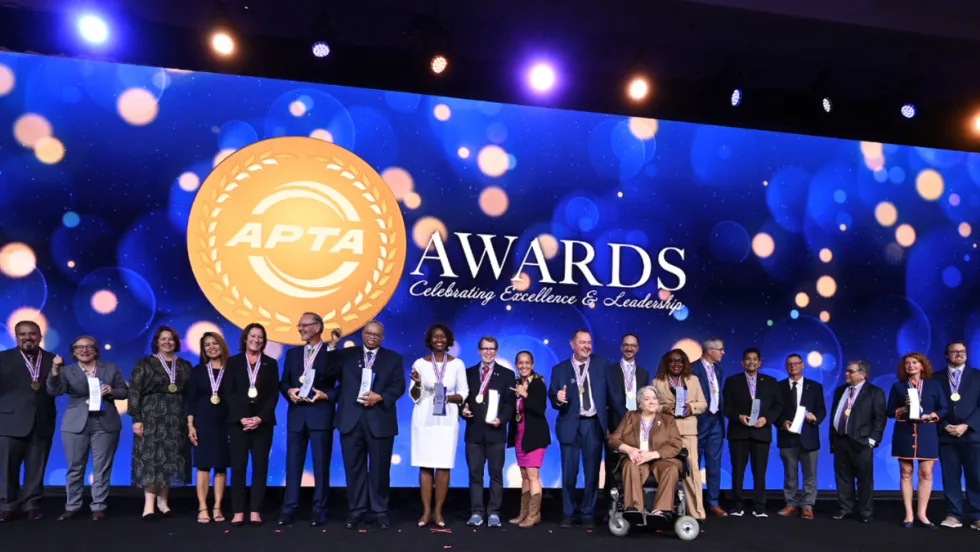
APTA Honors 2026 Award Winners, Hall of Fame Inductees at TRANSform & EXPO
Innovations in autonomous and zero-emission transportation, standout transit systems, and industry leadership took center stage among this year's honorees.
Read More →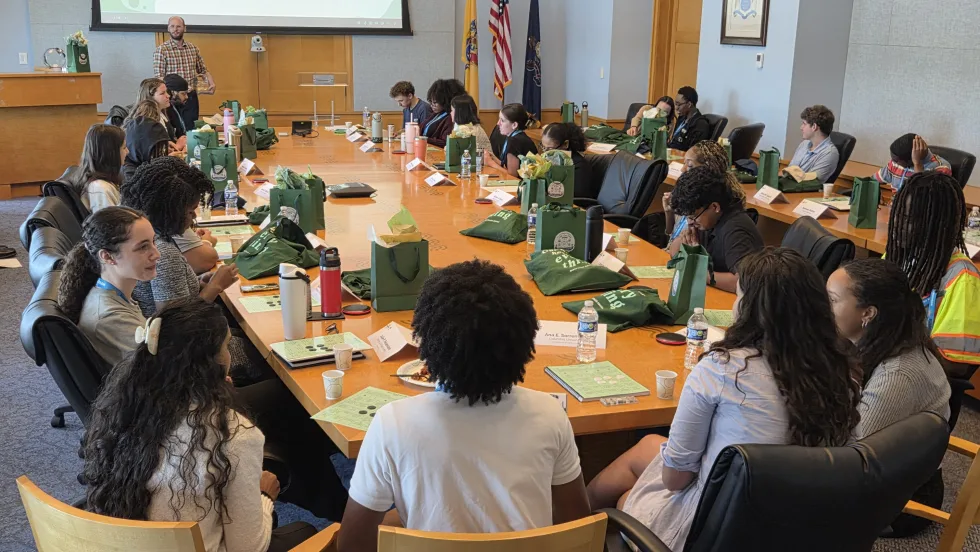
7 Ways to Build a Better Transit Internship Program
Lessons from DRPA/PATCO’s approach to creating a meaningful internship experience—and developing the next generation of transportation professionals.
Read More →
Scenes from APTA TRANSform & EXPO 2026
Transit leaders, manufacturers, and industry professionals gathered in Chicago to explore new technologies, share ideas, and discuss the future of public transportation.
Read More →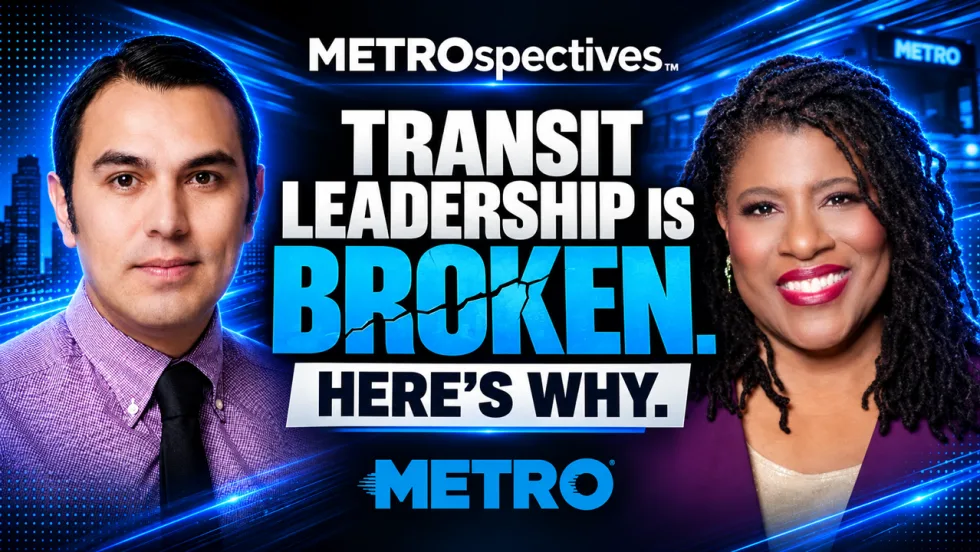
Building Stronger Leaders, More Resilient Transit Teams
Dr. Carol Parker Walsh discusses leadership development, employee retention, workplace culture, and preparing transit’s workforce for AI and automation.
Read More →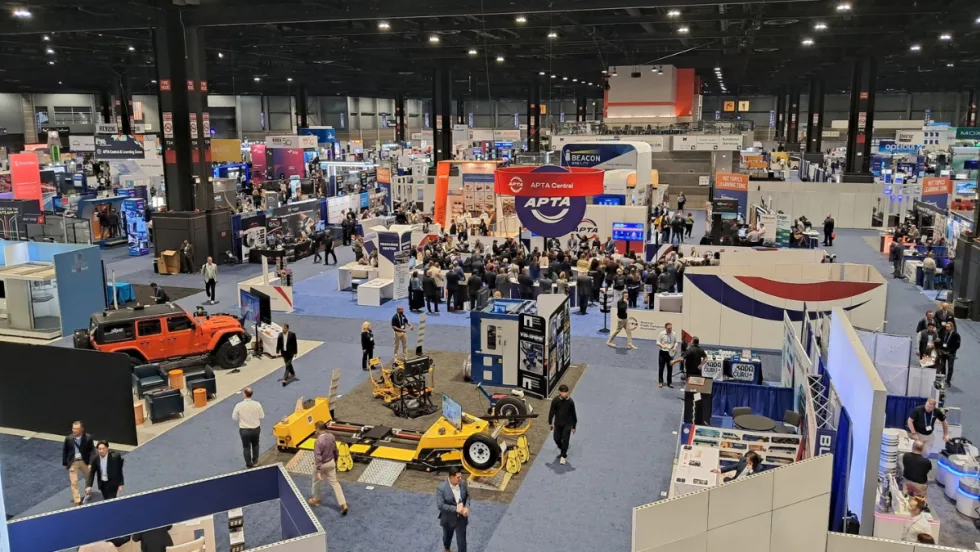
APTA 2026 TRANSform & EXPO Kicks Off in Chicago
After 45 years, APTA returns to Chicago with a focus on next-generation fleets, AI, connected transit networks, and the funding strategies shaping public transportation’s future.
Read More →
New York MTA Warns Federal Tariffs Could Add $1 Billion to Rolling Stock Costs
The agency said tariffs on specialized imported components could reduce the purchasing power of its $23 billion investment in new subway cars, railcars, and buses.
Read More →
From the Show Floor: What Happened at APTA TRANSform & EXPO 2026
See the latest product launches, partnerships, technology updates, and transit industry announcements from APTA TRANSform & EXPO in Chicago.
Read More →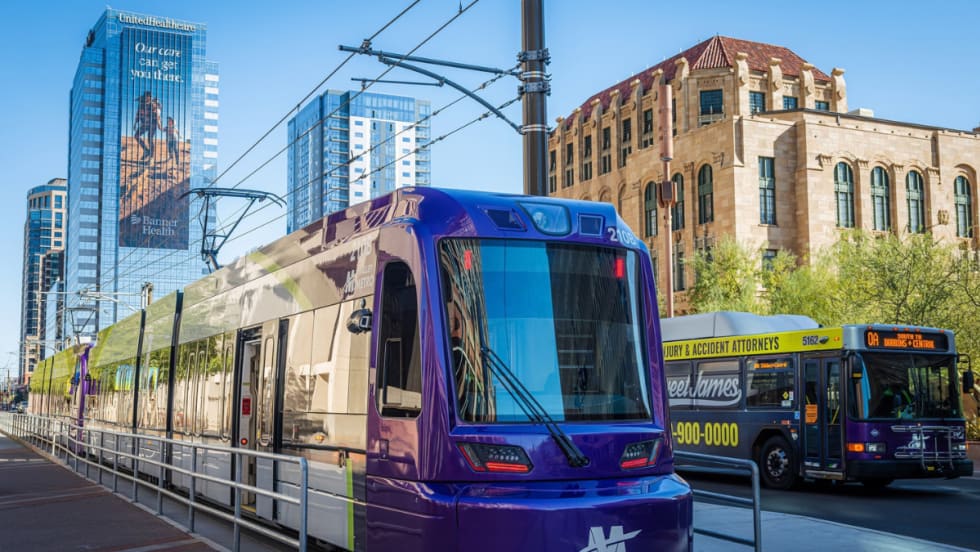
How Valley Metro Is Balancing Transit Growth With the Rider Experience
The APTA award-winning agency is pairing rapid system expansion with investments in workforce, safety, technology, and the fundamentals of transit service.
Read More →
Bus Tech Talk: Keeping Transit Technicians Ahead of the Technology Curve
In this episode of Bus Tech Talk, Complete Coach Works’ Business Development Manager Mark Hollenbeck and METRO’s Executive Editor Alex Roman sit down with Obed Mejia, Senior Technical Trainer for Bus Maintenance, at LA Metro to discuss how rapidly evolving bus technology is changing the maintenance shop — and the skills technicians need to keep pace.
Read More →