




RELATED: Allied Specialty Vehicles names Furman to VP sales post for ASV Bus
Allied Specialty Vehicles names Bradshaw to VP/GM of Mich. plant
In his new role, Joe Bradshaw will immediately be tasked with analyzing facilities, procurement, production and quality assurance processes for the commercial and luxury bus products manufactured at this location to determine operational changes necessary for increasing efficiencies and growing output.
October 2, 2015
2 min to read

Allied Specialty Vehicles (ASV), manufacturer of motor vehicles for commercial, fire & emergency and recreation markets, today announced that Joe Bradshaw has been named VP/GM of it’s plant in Imlay City, Mich., where the company’s Champion Bus and Federal Coach commercial bus brands are manufactured. Bradshaw will report to Kent Tyler, president of ASV’s Bus and Mobility Group.
“Joe understands ASV’s commitment to manufacturing excellence and is well aligned with our culture of continuous growth and improvement,” Tyler said. “He is no stranger to hard work and I am confident he will provide the strong leadership needed to take the operations at the Imlay City plant to the next level.”
Bradshaw added, “The entire team at the Imlay City plant has worked hard to earn a reputation for building safe, durable and reliable cutaway shuttle buses under the Champion Bus and Federal Coach brands. I am excited about the opportunity to use my manufacturing knowledge and experience to continue this excellence.”
In his new role, Bradshaw will immediately be tasked with analyzing facilities, procurement, production and quality assurance processes for the commercial and luxury bus products manufactured at this location to determine operational changes necessary for increasing efficiencies and growing output.
Since 2014, Bradshaw has been director of operations at ASV’s plant in Salina, Kan., where the Eldorado National-Kansas, Eldorado Mobility and Krystal vehicle brands are manufactured. During his tenure in Salina, Bradshaw has had an instrumental role in the plant-wide adoption of lean manufacturing principles and successful reconfiguration of production lines. Prior to this, he was plant operations manager at Detroit Reman-Central, a remanufacturer of on and off-highway vehicle power systems.
Previous to this, Bradshaw held positions of increasing responsibility in manufacturing and operations with Daimler Trucks North America. Bradshaw received his undergraduate degree in business from Columbia Southern University after serving four years in the United States Navy.
ASV’s Bus & Mobility Group is made up of some of the industry’s leading brands – Champion Bus, Collins Bus, ElDorado National-California, ElDorado National-Kansas, ElDorado Mobility, Federal Coach, Goshen Coach and Krystal – that manufacture light- and medium-duty commercial shuttle buses, heavy-duty transit buses, mobility conversion vehicles and Type A school buses for public transit, paratransit, airport, parking, hotel/resort, group tour, public/private schools, assisted living, church and university transportation markets.
More Management
The Business Voice Behind Public Transportation
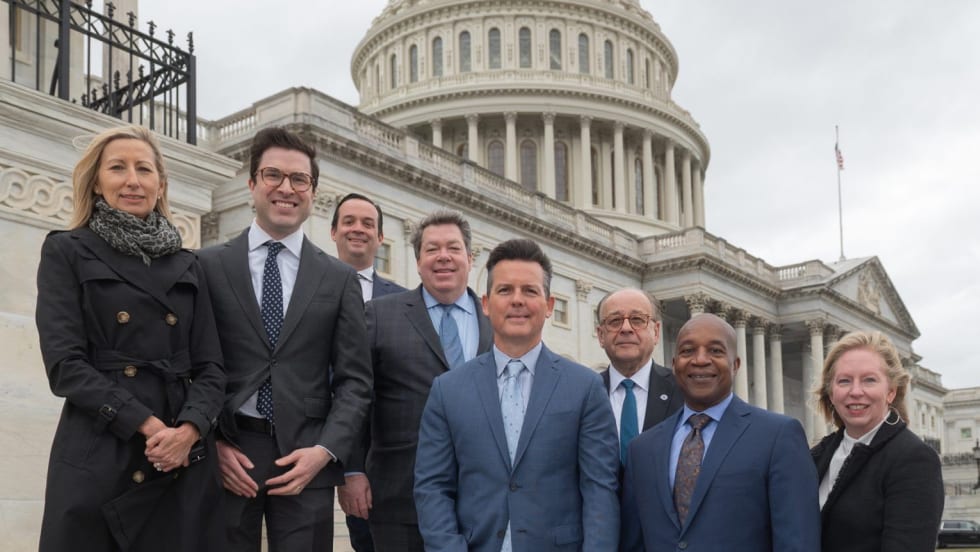
As chair of APTA’s Business Members Board of Governors, Ray Melleady explains how more than 850 business members are partnering with transit agencies to advance funding, innovation, and industry-wide collaboration.
Read More →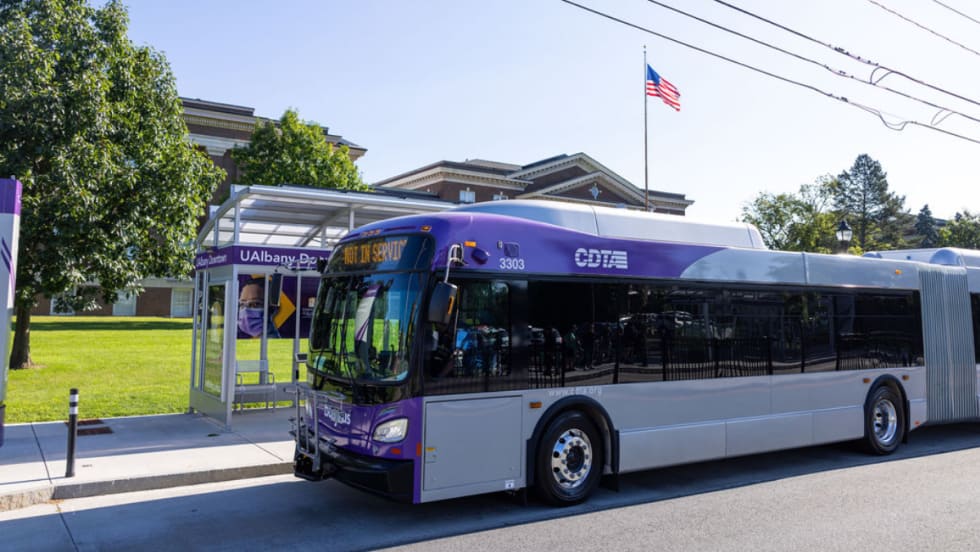
New York’s CDTA Service Rebalancing Boosts Productivity, On-Time Performance
Despite a slight dip in ridership, the agency’s FY2026 results show its service rebalancing strategy is helping the agency carry more riders per service hour while improving reliability.
Read More →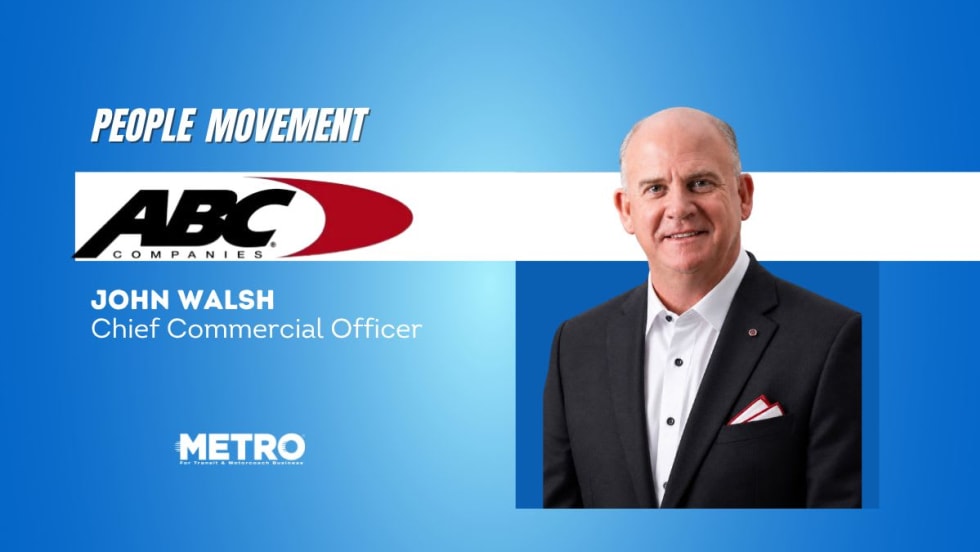
People Movement: ABC Names John Walsh as Chief Commercial Officer
In this edition, METRO also covers recent appointments and announcements at the DART, STV, and more, showcasing the individuals helping to shape the future of transportation.
Read More →
From Surviving to Thriving: Building Stronger Transportation Organizations
Bus Business Consultants founder Brian Dickson shares lessons on leadership, organizational health, and creating options for long-term success in a changing transportation industry.
Read More →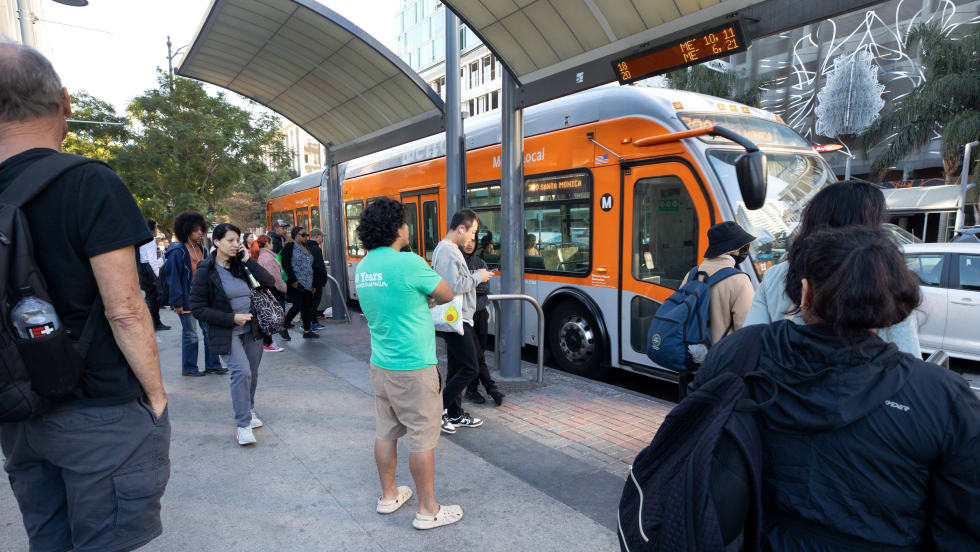
LA Metro Ridership Continues Growth as Rail Gains Accelerate
New rail connections and major events help drive continued ridership gains, with Metro recording its eighth consecutive month of year-over-year rail growth.
Read More →
TransDASH Summit Focuses on Measuring What Matters in Transit
Transit agencies unveil a national performance platform designed to benchmark customer experience, safety, community value, and other outcomes.
Read More →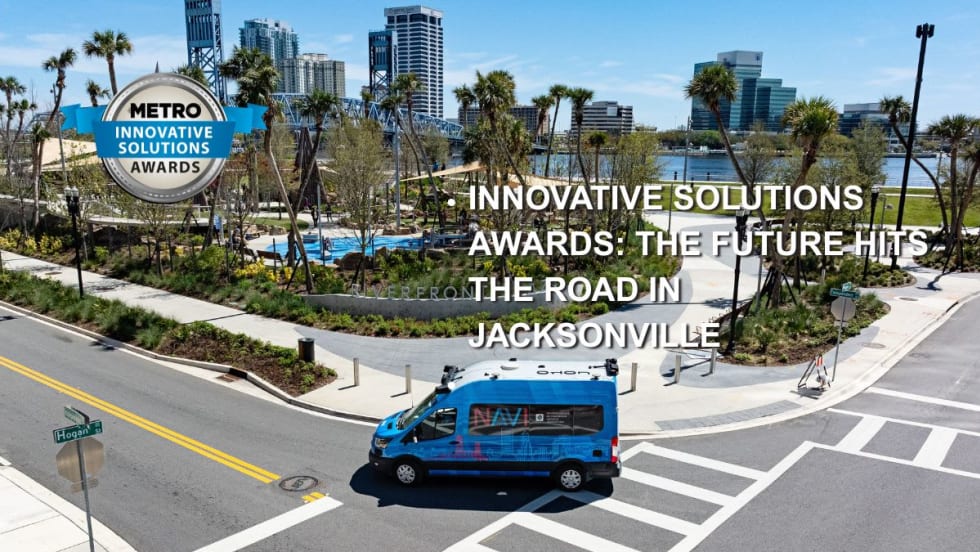
Jacksonville’s NAVI Project Charts a New Course for Autonomous Public Transportation
Through its NAVI program, JTA is showing how autonomous vehicles, intelligent infrastructure, and coordinated operations can work together to deliver everyday public transportation.
Read More →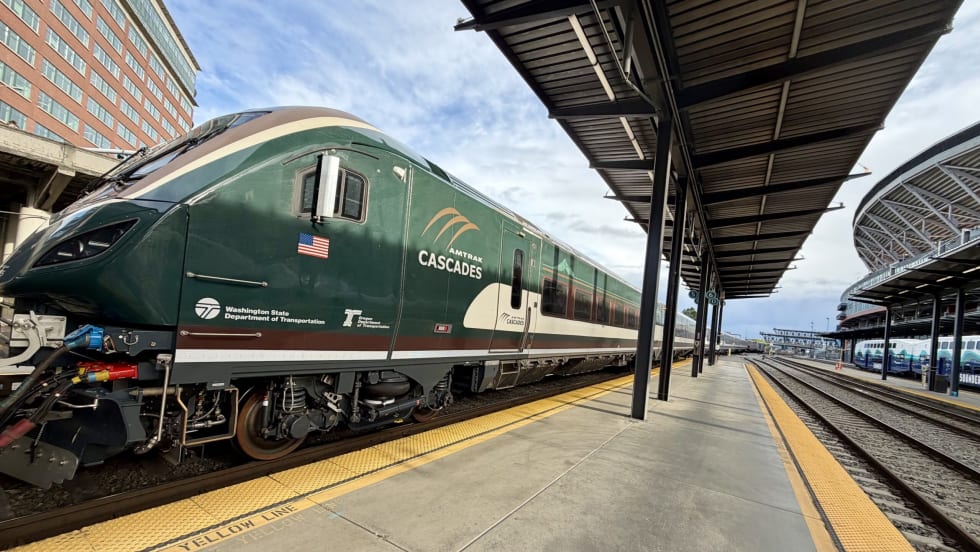
FRA Announces $5.3B in Rail Investments, Including $2B for Amtrak
Funding will support grade-crossing improvements, infrastructure upgrades, and new Amtrak equipment in 23 states.
Read More →
Finding the ‘Happy Medium’: Optimizing Maintenance Without Sacrificing Reliability
The key to maintenance optimization isn’t doing less work—it’s doing the right work at the right time on the right assets.
Read More →
People Movement: MARTA Drops Interim Tag on GM/CEO Hunt and More
In this edition, METRO covers recent appointments and announcements at the FMCSA, HDR, SilverRide, and more, showcasing the individuals helping to shape the future of transportation.
Read More →