




RELATED: How Video Surveillance Tech. Uses Data to Advance Transit Safety
Apollo Video named transit bus video surveillance market leader
Named by World Market for Mobile Video Surveillance Equipment report,which ranks companies based on annual sales revenue and is published every other year.
November 2, 2015

Apollo Video Technology
2 min to read

Apollo Video Technology has been named the transit bus market leader in the Americas, according to the 2015 edition of the World Market for Mobile Video Surveillance Equipment report.
Released by IHS Inc., a global business information and analytics provider, the report ranks companies based on annual sales revenue and is published every other year. For the third consecutive time, Apollo Video was recognized as the market leader in the Americas, an achievement held since 2010. In addition to being the lead supplier for bus video surveillance, Apollo Video also increased its market share for mobile video surveillance onboard trains and trams by 3%.
“We are honored to receive this designation. This accomplishment reflects our company’s determination to earn and maintain the support and trust of our transit partners,” said Rodell Notbohm, CEO of Apollo Video Technology. “The result of gaining and fortifying such partnerships is evident through the collaborative advancements in our mobile video surveillance solutions. As an industry leader, we strive to not only solve our customer’s safety and security needs, but improve their operational efficiencies as well — ultimately saving them valuable time and money. With this acknowledgement, their collective approval rings loud and clear.”
A leading manufacturer of mobile video surveillance technology since 2004, Apollo Video offers solutions that deliver exceptional video quality along with software optimized for fast wireless downloading capabilities, live video streaming and easy management of video evidence.
With the release of RoadRunner HD™ in 2014, Apollo Video added to its suite of solutions a mobile video system featuring state-of-the-art high definition recording optimized for mobile applications. Such offerings supply transit agencies with a complete video surveillance solution that addresses both operational effectiveness and safety for passengers and operators alike.
More Management

TransDASH Summit Focuses on Measuring What Matters in Transit
Transit agencies unveil a national performance platform designed to benchmark customer experience, safety, community value, and other outcomes.
Read More →
Jacksonville’s NAVI Project Charts a New Course for Autonomous Public Transportation
Through its NAVI program, JTA is showing how autonomous vehicles, intelligent infrastructure, and coordinated operations can work together to deliver everyday public transportation.
Read More →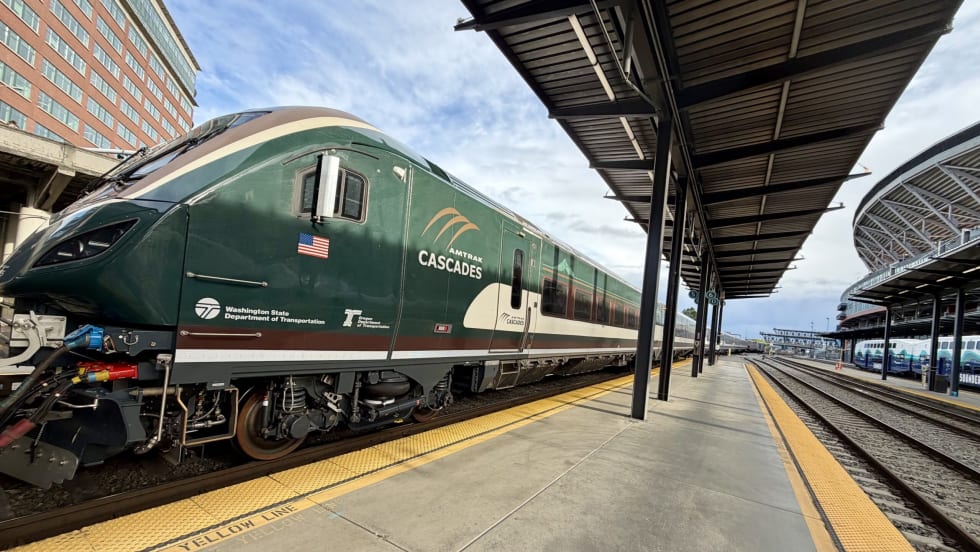
FRA Announces $5.3B in Rail Investments, Including $2B for Amtrak
Funding will support grade-crossing improvements, infrastructure upgrades, and new Amtrak equipment in 23 states.
Read More →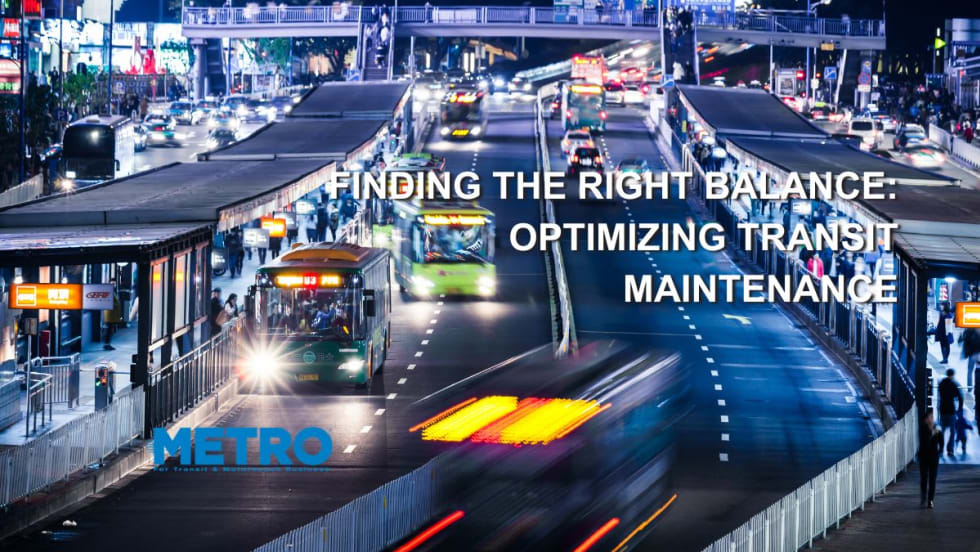
Finding the ‘Happy Medium’: Optimizing Maintenance Without Sacrificing Reliability
The key to maintenance optimization isn’t doing less work—it’s doing the right work at the right time on the right assets.
Read More →
People Movement: MARTA Drops Interim Tag on GM/CEO Hunt and More
In this edition, METRO covers recent appointments and announcements at the FMCSA, HDR, SilverRide, and more, showcasing the individuals helping to shape the future of transportation.
Read More →
VIA Metropolitan Transit Reports 2 Million More Passenger Trips as Better Bus Plan Gains Momentum
San Antonio's transit agency said accelerated service improvements are driving ridership growth, offering another example of how increased frequency and workforce investments can translate into stronger transit performance.
Read More →
ABAF Study Reveals Growing Insurance Crisis for Motorcoach Operators
Preliminary findings show 98% of operators faced premium increases over the past five years, while shrinking insurer participation is putting added pressure on businesses and customers.
Read More →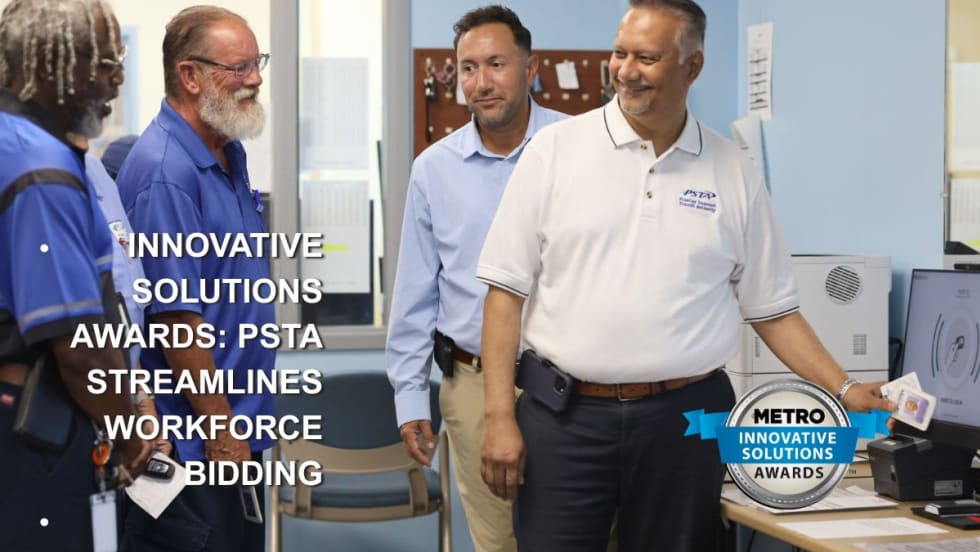
PSTA Modernizes Workforce Management with Digital Bidding System
The award-winning Workforce Transit Modernization project replaced paper bidding with a transparent digital platform, cutting administrative effort while improving access for operators.
Read More →
Chicago to Host Public Transportation's Biggest Gathering at APTA TRANSform & EXPO 2026
North America’s largest public transportation gathering returns to Chicago, connecting transit decision-makers with the technologies, ideas, and partnerships driving the industry forward.
Read More →
New Tricks for Old Bureaucracies: Joshua Schank on Making Transit Innovation Stick
Former LA Metro Chief Innovation Officer Joshua Schank discusses why good ideas aren't enough, how transit agencies can overcome resistance to change, and why today's challenges demand more innovation.
Read More →