



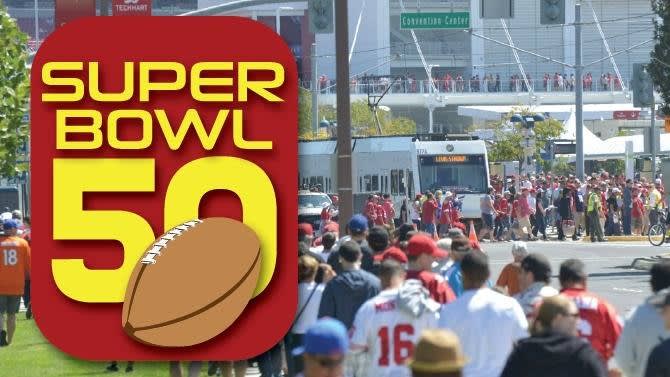
Fans use VTA to get to Super Bowl 50
VTA's mobile ticketing app, EventTIK, enabled Super Bowl goers to purchase their fare in advance to make riding public transit easy and convenient.

VTA

VTA
Close to 9,500 Super Bowl 50 fans safely made their way to Levi's Stadium on Valley Transportation Authority (VTA) light rail trains and buses. Approximately 60% of the passengers on light rail transferred from Caltrain coming from San Francisco.
VTA's mobile ticketing app, EventTIK, enabled Super Bowl goers to purchase their fare in advance to make riding public transit easy and convenient.
Hundreds of public safety officers, coordinated by the Santa Clara County Sheriff's Transit Patrol, secured the VTA system. Among the security detail were K-9 teams from across the country including Atlanta, Chicago, Seattle and Southern California to name a few.
VTA traditionally sees a small increase in the number of outbound passengers from Levi's Stadium. There will be another update at the end of service approximately two hours after the game ends.
More Management
CATS Launches West Charlotte Microtransit Zone, Expands Transit Services
The new microtransit zone connects residents to key destinations as Charlotte Area Transit System rolls out the first phase of its 2055 Transit System Plan.
Read More →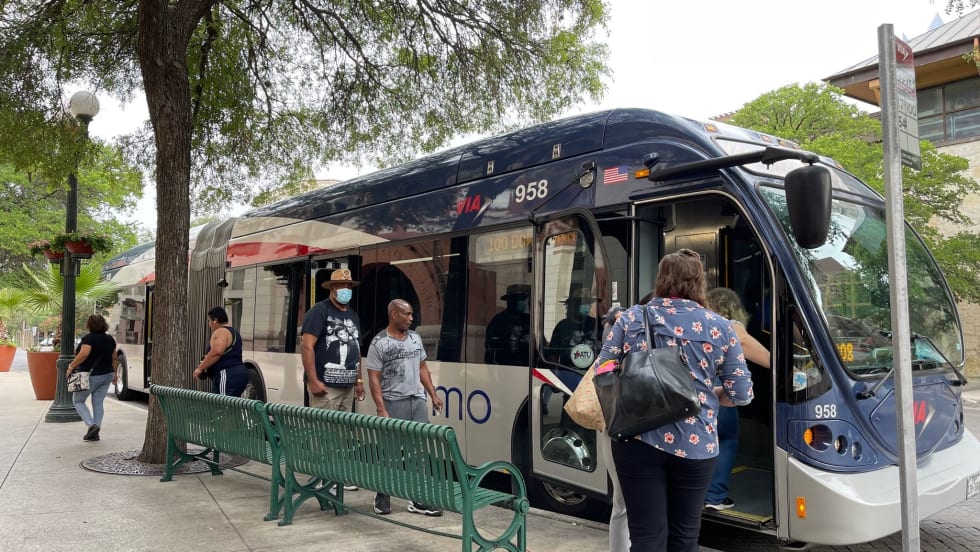
VIA Bus Ridership Grows 10.1% Through August 2026
San Antonio's VIA Metropolitan Transit reported the highest bus ridership growth among major Texas transit systems. Federal Transit Administration data ranked it second among the nation's 50 largest transit systems.
Read More →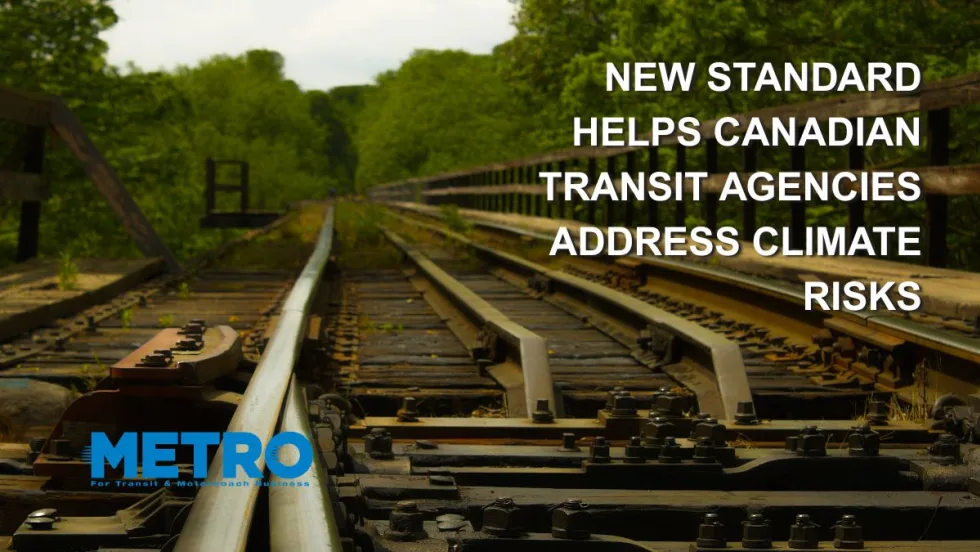
CSA Group Releases Climate Resilience Standard for Transit, Passenger Rail
Developed with support from the Standards Council of Canada, CSA D700 guides assessing climate-related risks and planning adaptation measures for transit and passenger rail systems.
Read More →
ETA CEO John Maglio on Transit Technology, Innovation, and Building Agency Trust
ETA founder and CEO John Maglio explores the evolution of transit technology, the importance of reliable systems, and how stronger partnerships can help agencies improve operations and the passenger experience.
Read More →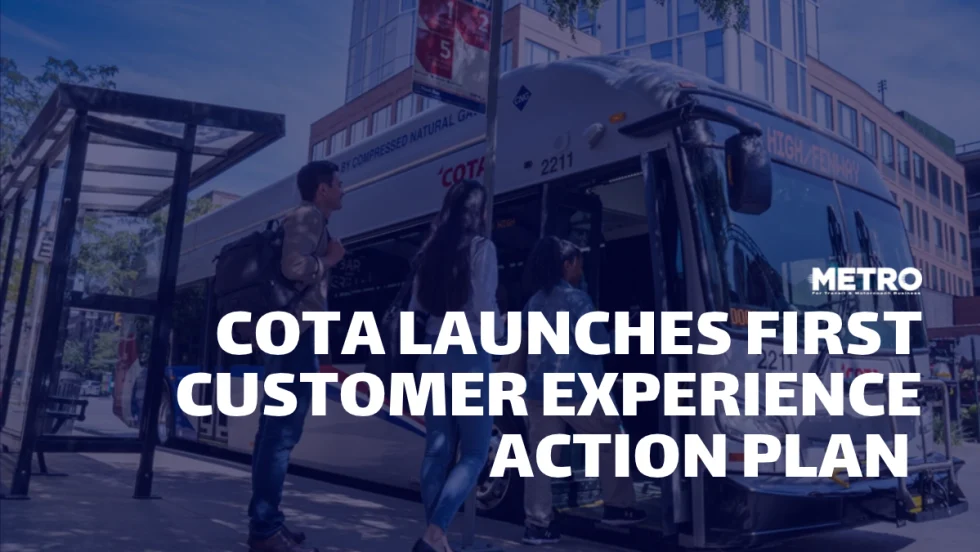
COTA Launches First Customer Experience Action Plan to Improve Transit Service
The new plan outlines improvements to service reliability, accessibility, communication, and the overall rider experience across Central Ohio's transit system.
Read More →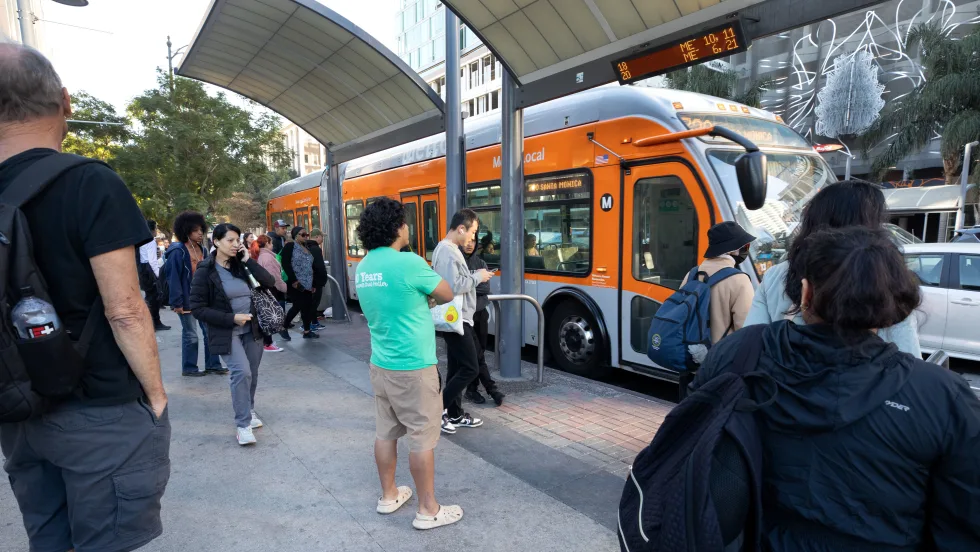
LA Metro September Ridership Climbs 3.9%, Led by Rail Growth
The agency recorded more than 27.2 million boardings, with rail ridership increasing 12.4% year over year and the D Line posting the largest gains.
Read More →
Utilimarc Launches SmartReplace to Optimize Fleet Replacement Decisions
AI-powered SmartReplace helps fleets prioritize vehicle replacements, model budget scenarios, and build more defensible long-term strategies.
Read More →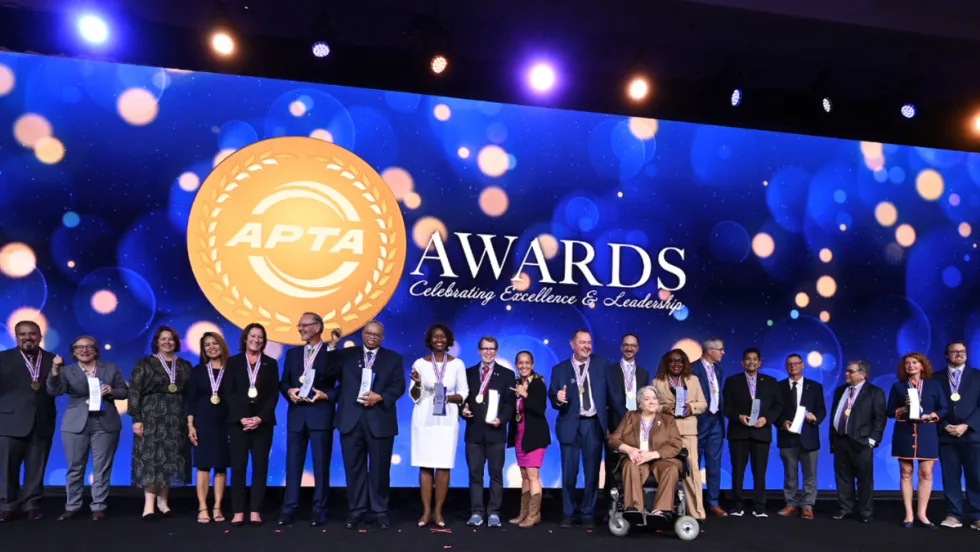
APTA Honors 2026 Award Winners, Hall of Fame Inductees at TRANSform & EXPO
Innovations in autonomous and zero-emission transportation, standout transit systems, and industry leadership took center stage among this year's honorees.
Read More →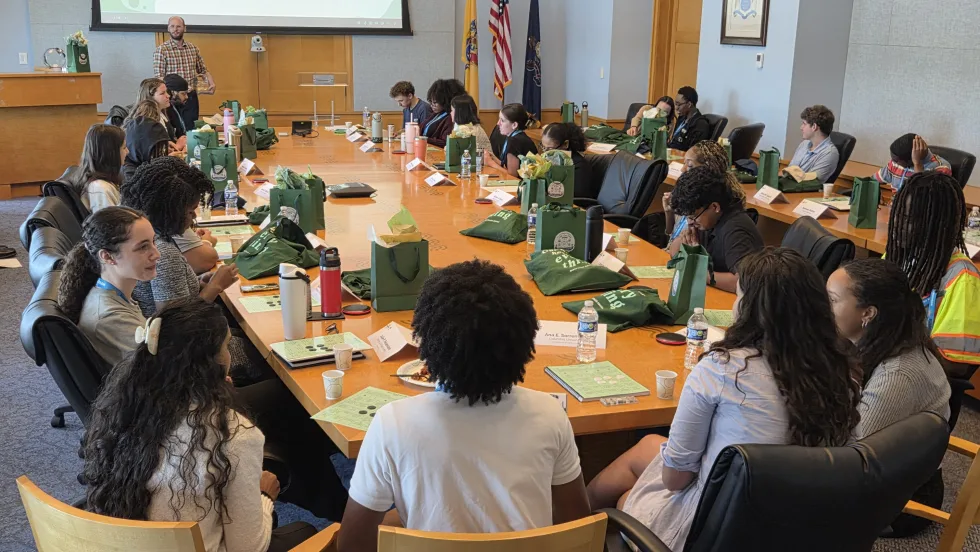
7 Ways to Build a Better Transit Internship Program
Lessons from DRPA/PATCO’s approach to creating a meaningful internship experience—and developing the next generation of transportation professionals.
Read More →
Scenes from APTA TRANSform & EXPO 2026
Transit leaders, manufacturers, and industry professionals gathered in Chicago to explore new technologies, share ideas, and discuss the future of public transportation.
Read More →