



N.Y. MTA cancels APTA membership
Chairman/CEO Thomas Prendergast summarized the key reasons behind MTA's decision in a seven-page letter.


The New York Metropolitan Transportation Authority, along with its affiliate and subsidiary agencies, has discontinued its membership with the American Public Transportation Association (APTA).
In a seven-page letter dated April 8 to APTA President/CEO Michael Melaniphy, MTA Chairman/CEO Thomas Prendergast summarized the key reasons behind MTA's decision.
"MTA's decision to discontinue its Transit Member status with APTA was a difficult decision carefully made after many conversations among the MTA's agency heads and with APTA leadership," Prendergast explained in the letter.
APTA issued the following statement regarding the MTA announcement:
"We are obviously disappointed with NY MTA's decision as their membership is important to us," said APTA Director, Media Relations, Virginia Miller. "We are continuing the conversation with MTA and we are working hard to show the value of APTA membership to them and all of our members. We believe that continued partnership and collaboration among MTA, APTA, and the overall public transportation industry is important as APTA serves the public interest and represents all modes of public transportation.”
More Management
Turn Transit Data Into Action
Discover how leading agencies are using connected technology to gain real-time visibility across operations, improve service reliability, and reduce disruptions.
Read More →
What Transit-Oriented Development Means for the Future of Public Transportation
Once viewed primarily as transit operators, agencies are now leveraging land, partnerships, and long-term planning to boost ridership, expand housing, and strengthen communities.
Read More →
USDOT Announces $22 Million for Transit Innovation, Updates High-Speed Rail Rules
New federal transit funding will support safety, accessibility, and technology projects as updated rail regulations establish new noise standards for high-speed trains.
Read More →
Transportation Construction Coalition Unveils Infrastructure Case Studies Ahead of Federal Funding Deadline
The coalition noted the next surface transportation bill should provide sustained investment in highways and public transit to strengthen freight movement, improve safety, and support economic growth.
Read More →
People Movement: American Bus Association Extends Ferguson and More
METRO’s People Movement highlights the latest leadership changes, promotions, and personnel news across the public transit, motorcoach, and people mobility sectors.
Read More →
METRO Magazine Announces 2026 Innovative Solutions Awards Winners
Projects Recognized for Advancing Mobility Through Technology, Accessibility, Workforce Innovation, and Operational Excellence
Read More →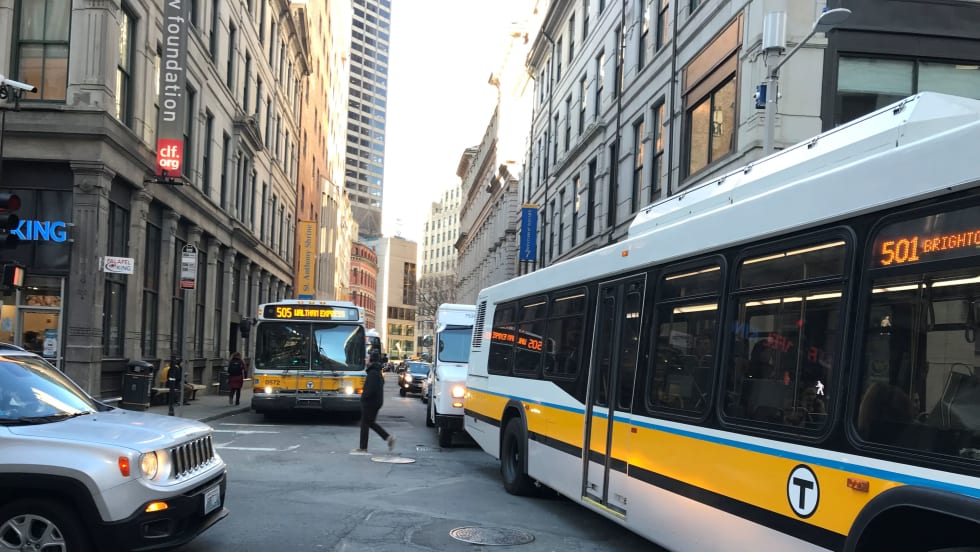
MBTA Rolls Out Pilot Programs to Cut Costs, Simplify Travel
Three new fare pilots — including unlimited two-hour transfers, reduced express bus fares, and free transit for eligible seniors — will launch this fall as Massachusetts extends popular commuter rail discounts through November.
Read More →
FTA Opens $610 Million Funding Opportunity for Bus Infrastructure Projects
The latest Notice of Funding Opportunity provides transit agencies with funding for bus facilities, fleet modernization, and low- and no-emission vehicles, with applications due September 21.
Read More →
Biz Briefs: STV teams with Amtrak, Motorcoach Operators Boost Fleet and Land Contracts, and More
From manufacturers and suppliers to transit agencies and motorcoach operators, these updates offer a snapshot of the projects, partnerships and business moves driving the industry forward.
Read More →
Massachusetts Approves $530M to Strengthen MBTA Operations, Infrastructure
The funding package targets operating stability, capital improvements, and fare affordability, offering a model for agencies navigating long-term funding challenges.
Read More →