



moovel N.A., TriMet launches RideTap pilot
The agency's tickets app users can now find a nearby Lyft or car2go within the app’s navigation drawer to help them get to and from their public transit stop.

moovel announced the public launch and first pilot of RideTap, an SDK (software development kit) that offers any app instant access to a growing network of public and alternative transportation providers.
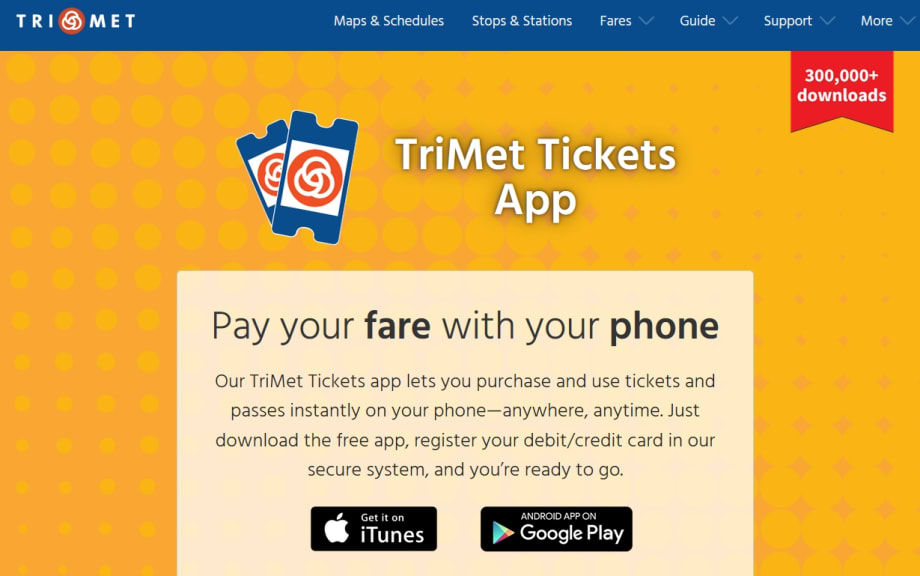
Available now, Portland’s TriMet Tickets app now leverages RideTap to connect public transit riders to additional transportation options. TriMet Tickets app users can find a nearby Lyft or car2go within the app’s navigation drawer to help them get to and from their public transit stop. Initially this pilot includes Lyft and car2go, but will eventually add other local transportation options, including bike share and taxi.
“We hope this new feature will help our riders find options for their first or last mile of a trip, allowing them to more easily reach their destinations,” said Alan Lehto, director, policy and planning at TriMet. “We’re looking forward to getting feedback from our riders to see if the new tool helps improve their ability to use transit and other modes to reach their destinations.”
Last month, GlobeSherpa — the maker of the TriMet Tickets app — merged with RideScout to form moovel N.A., Daimler’s answer to the current disconnect between public and private transportation options in North America.
“Daimler is invested in organizing all forms of traditionally siloed transportation into one well-connected experience,” said Nat Parker, CEO of moovel North America. “Since public transit is at the core of our modern transportation ecosystem, moovel aims to get more riders on buses, trains and subways by solving that first/last mile challenge with RideTap. Portland’s TriMet public agency was GlobeSherpa’s first customer and now serves as RideTap’s first host app and partner in connecting the city’s transportation.”
Recent research points to a growing app-fatigue culture: consumers spend 85% of their time on smartphones using the same five apps. Today’s most successful transportation services are reacting to consumer behavior by extending functionality beyond the borders of their own app and into platforms where they are more useful. Instead of riders leaving their favorite apps to search for a ride or other transit information, RideTap aims to bring that connected transportation experience inside any third party app. By embedding the RideTap SDK, real-time transit, rideshare, carshare, bikeshare or a combination of options become instantly available to an app’s users.
More New Mobility

From Hardware to Digital Partner: Luminator Charts Its Next Chapter
CEO Magnus Friberg discusses Luminator’s shift toward becoming a digital partner, the growing importance of software and interoperability, and how AI can help agencies improve operations and passenger experience.
Read More →
Biz Briefs: Alstom Lands Canadian Contract, LYT to Supply California TSP, and More
In METRO's latest installment, we take a look at recent news from Complete Coach Works, Beep, FlixBus, and more partnerships making headlines across the transportation sector.
Read More →
CharterUP’s Armir Harris on Technology, AI, and the Future of Group Mobility
In a recent episode of METROspectives, CharterUP Founder/CEO Armir Harris discussed the company’s evolution from an online charter bus marketplace into a technology platform supporting public- and private-sector mobility and much more.
Read More →
Jacksonville’s NAVI Project Charts a New Course for Autonomous Public Transportation
Through its NAVI program, JTA is showing how autonomous vehicles, intelligent infrastructure, and coordinated operations can work together to deliver everyday public transportation.
Read More →
Biz Briefs: Luminator Marks Milestone and More
From manufacturers and suppliers to transit agencies and motorcoach operators, these updates offer a snapshot of the projects, partnerships and business moves driving the industry forward.
Read More →
New Tricks for Old Bureaucracies: Joshua Schank on Making Transit Innovation Stick
Former LA Metro Chief Innovation Officer Joshua Schank discusses why good ideas aren't enough, how transit agencies can overcome resistance to change, and why today's challenges demand more innovation.
Read More →
How DART's GoPass Is Redefining Regional Mobility
Serving 14 transit agencies, GoPass simplifies multimodal travel by allowing riders to plan, pay for, and manage an entire trip through one app.
Read More →
Biz Briefs: OCTA Taps Clean Energy for Hydrogen Station, Stadler to Supply Via Rail Vehicles, and More
From manufacturers and suppliers to transit agencies and motorcoach operators, these updates offer a snapshot of the projects, partnerships and business moves driving the industry forward.
Read More →CharterUP Expands Into New Mobility and Autonomous Transportation
Vice President of New Mobility Stephen Joos discusses how CharterUP is leveraging its nationwide transportation network, technology platform, and autonomous vehicle partnerships to expand into workforce mobility, campus shuttles, and transit solutions.
Read More →
METRO Magazine Announces 2026 Innovative Solutions Awards Winners
Projects Recognized for Advancing Mobility Through Technology, Accessibility, Workforce Innovation, and Operational Excellence
Read More →