




RELATED: London Mayor bans body shaming ads on public transport
London rail, Twitter piloting live alerts for 'severe delays'
Pilot of new information service to provide live notifications of severe delays directly to customers' mobiles or computers to alert them more quickly. First time that Twitter has partnered with a transport authority to provide live travel information to customers using this innovative approach.
June 14, 2016
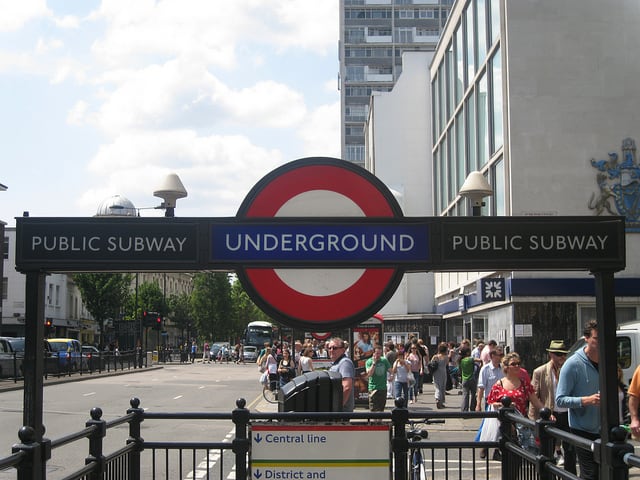
Photo: London Attractions Guide/Flickr
3 min to read

Transport for London (TfL) and Twitter began piloting a world-first service whereby customers will be automatically alerted of severe delays on key London Underground and TfL rail services as soon as they occur, helping them to avoid disruption.
The innovative pilot, developed exclusively with Twitter, will allow anyone who follows any combination of four existing TfL Twitter feeds (London Overground, TfL Rail, Central line and District line) to be able to opt-in to receive instant notifications about severe disruption.
Currently, obtaining live travel information via Twitter means having to visit the relevant account or searching through your timeline for the latest tweets. This pilot will, for the first time, allow notifications to be sent straight to customers' mobile devices while they are on the go, or direct to their computer, free of charge as a "Direct Message." This will mean that customers can be informed immediately and avoid disruption.
To opt in, customers just need to visit http://tfl.gov.uk/twitter-alerts and select the lines for which they would like information. They can also tailor their notifications by selecting the time periods that they would like to receive alerts, meaning they can avoid unnecessary alerts outside of commuting hours or at weekends if they don't need them.
This is the first time that Twitter has partnered with a transport authority to provide live travel information in this way. TfL will be assessing feedback from the pilot over the summer and, dependent on customer feedback, the service could be extended to other TfL Twitter feeds and used to alert drivers of disruption on key road corridors.
"Getting the latest travel information direct to customers when and where they want it is key to enabling them to avoid delays," said Phil Young, head of online at TfL.
📨 📨 📨 Get instant travel alerts through direct messages https://t.co/slTNQQJPxTpic.twitter.com/CzrS0nvE7K
— Transport for London (@TfL) June 12, 2016
The pilot with Twitter is part of TfL's wider work to make information freely and openly available to developers to assist them in creating better products and services more quickly. The data is being provided through TfL's Unified Application Programme Interface (API), which allows developers to have the latest travel information about all TfL services, as well as additional information about road conditions, speed limits and collision data.
Around 8,200 developers are registered for TfL's Unified API, with more than 2,000 new developers signed up to access live information in the last six months. As smartphone usage for travel information continues to increase, almost 500 apps are directly powered by this open data, providing Londoners with up-to-the-minute information about public transport and the road network.
Last month, TfL added a favourites function to tfl.gov.uk, making it easier for customers to personalise their travel information. Customers just need to go to tfl.gov.uk and click or tap on the star in the top right corner of the screen. This will bring up a favorites menu which will allow people to save their most frequently used Tube lines, tram line or river bus line, as well as receive details about major roads, bus routes or specific bus stops. These services will then be prioritized on the tfl.gov.uk homepage so customers can quickly check the status of their most frequently used line or route more easily.
Further improvements to the website will be made throughout the year, including the ability to "favorite" specific journeys so customers can tell if there is any disruption along their regular routes. Improvements are also planned for the Oyster and Contactless payment account webpages to help make it easier for people to register their cards and get information about their recent journeys.
More Management
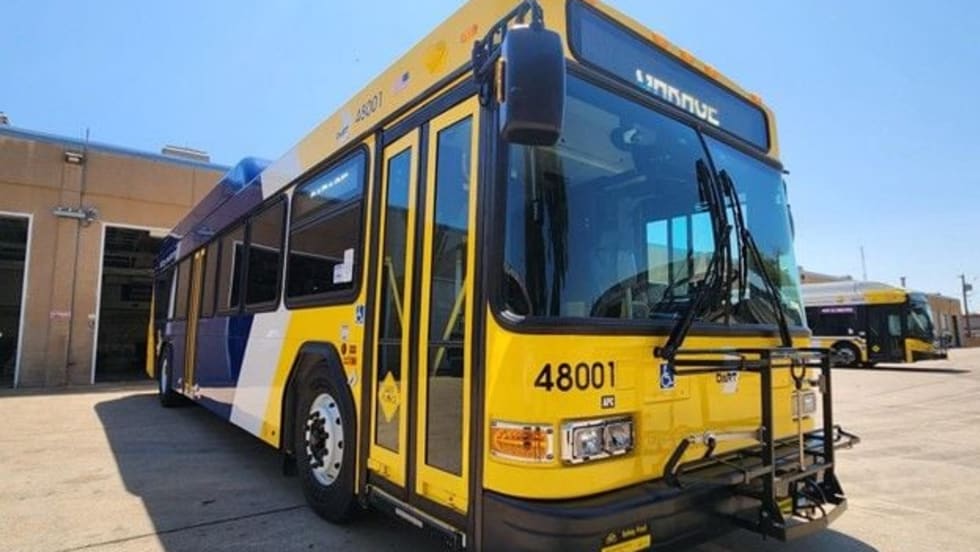
DART Customer Satisfaction Reaches Six-Year High
Overall satisfaction rose to 74.9%, while the agency’s Net Promoter Score reached a record 33.7.
Read More →
House Surface Transportation Bill Advances as Transit Funding Debate Intensifies
A bipartisan transportation package moving through Congress could redefine how the U.S. funds highways, transit, and motorcoach travel, while igniting new fights over electrification, regulation, and federal priorities.
Read More →
How Data, Strategy, and Community Engagement Are Reshaping Transit
In this edition of METROspectives, strada360 CEO Steve Lassey discusses how transit agencies can better align planning with operations, leverage data to improve decision-making, and build public trust as they prepare for the future of mobility.
Read More →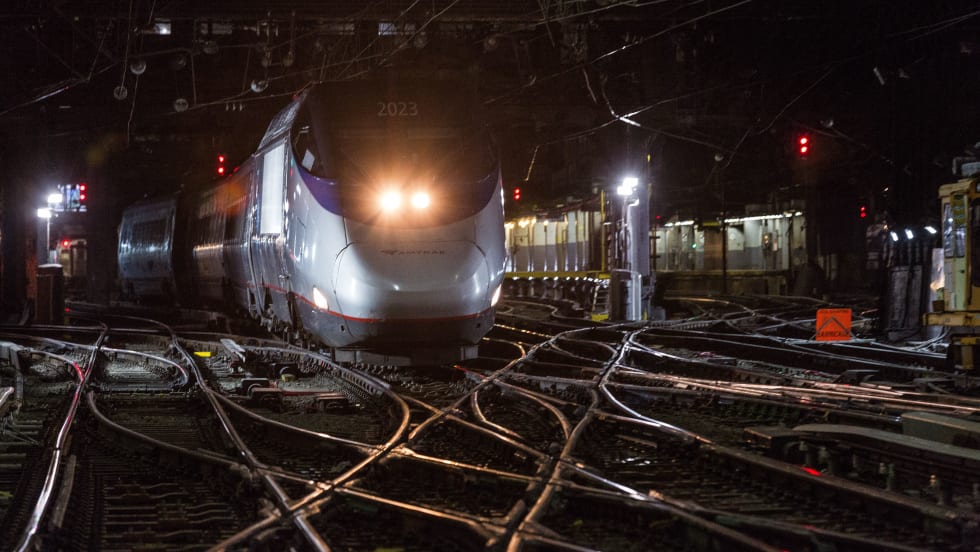
Amtrak Board Advances Plan to Restructure Organization, Seeks Public Input
The proposal, developed by Amtrak management and approved by the board for further consideration, is intended to modernize the organization's structure while improving accountability, operational efficiency, and customer service.
Read More →
Sponsored•August 2, 2026
Turn Transit Data Into Action
Discover how leading agencies are using connected technology to gain real-time visibility across operations, improve service reliability, and reduce disruptions.
Read More →
What Transit-Oriented Development Means for the Future of Public Transportation
Once viewed primarily as transit operators, agencies are now leveraging land, partnerships, and long-term planning to boost ridership, expand housing, and strengthen communities.
Read More →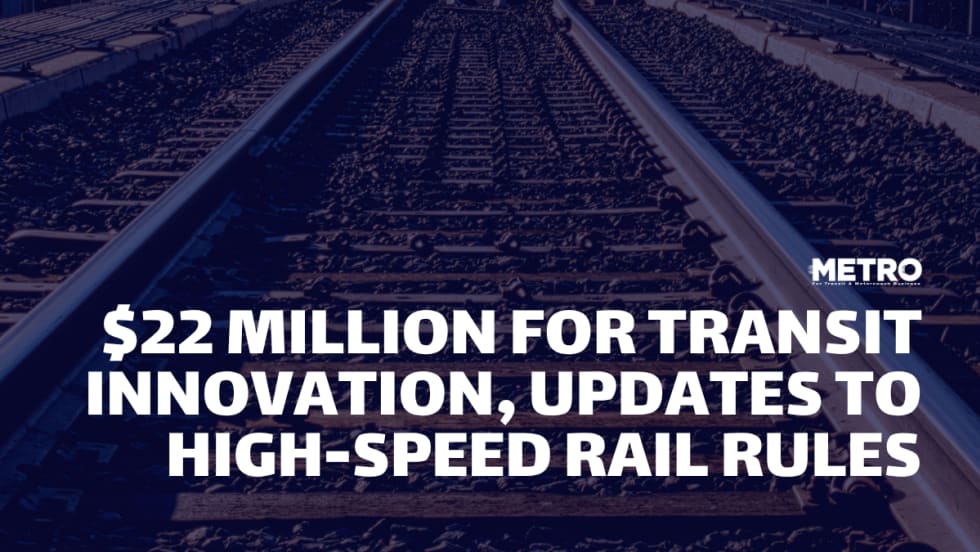
USDOT Announces $22 Million for Transit Innovation, Updates High-Speed Rail Rules
New federal transit funding will support safety, accessibility, and technology projects as updated rail regulations establish new noise standards for high-speed trains.
Read More →
Transportation Construction Coalition Unveils Infrastructure Case Studies Ahead of Federal Funding Deadline
The coalition noted the next surface transportation bill should provide sustained investment in highways and public transit to strengthen freight movement, improve safety, and support economic growth.
Read More →
People Movement: American Bus Association Extends Ferguson and More
METRO’s People Movement highlights the latest leadership changes, promotions, and personnel news across the public transit, motorcoach, and people mobility sectors.
Read More →
METRO Magazine Announces 2026 Innovative Solutions Awards Winners
Projects Recognized for Advancing Mobility Through Technology, Accessibility, Workforce Innovation, and Operational Excellence
Read More →