



Major associations call for fingerprinting of drivers
National Limousine Association and the Taxicab, Limousine & Paratransit Association want all drivers who transport passengers for a fee to be subject to national fingerprint-based background checks.


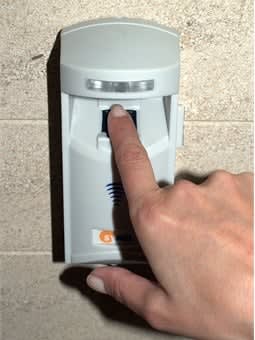
The National Limousine Association (NLA) and the Taxicab, Limousine & Paratransit Association (TLPA) jointly announced a unified position calling for all drivers who transport passengers for a fee to be subject to national fingerprint-based background checks.
The stance is aimed at ensuring the highest standards in vetting the nation’s hundreds of thousands of for-hire drivers and to ensure that universal practices to maximize passenger safety are instituted and upheld.
The vast majority of drivers within fleets operated by NLA and TLPA members in large to mid-sized cities must pass a fingerprint-based background check before they can transport passengers. However, in nearly every market, services such as Uber and Lyft do not use a fingerprint-based method to vet their drivers.
“There simply is no substitute for a fingerprint-based background check. You can fake a name or a social security number, but fingerprints don’t lie. The numerous news reports of dangerous drivers for Uber and Lyft are reason enough to call for common-sense safety precautions, and that starts with fingerprints,” said Dwight Kines, president of the TLPA.
“For years, many sectors of business, from daycare centers to commercial airlines, have relied on fingerprint-based background checks to verify the accuracy and authenticity of security screenings,” said Gary Buffo, president of the NLA. “The TLPA and NLA believe that we must exhaust all feasible avenues to make certain that the people behind the wheels of commercial ground transportation vehicles are indeed who they claim to be. Thanks to recent technological advances, fingerprint background checks are more widely available and accessible than ever before, and it is time that we establish a new nationwide standard.”
A study released last year found that fingerprint-based criminal background checks have a potential error rate of only 1%, while name-based background checks can have a potential error rate of 43%, according to a joint release from both associations.
More New Mobility

ENC Unveils ZAVIR Medium-Duty Electric Shuttle at APTA EXPO
The new ZAVIR brand targets shuttle and paratransit operations with battery-electric and range-extended electric vehicle options.
Read More →
Public Transit Conference Returning to GFX in 2027, Call for Papers Now Open
The Call for Papers is now open, allowing transit agency professionals and industry experts to help shape the PTC educational program by submitting session ideas for consideration.
Read More →
Everett Transit, Community Transit Outline Consolidation Agreement
The proposed agreement calls for a 50% increase in bus service in Everett, a new microtransit zone, continued paratransit service, and the transfer of Everett Transit operations to Community Transit.
Read More →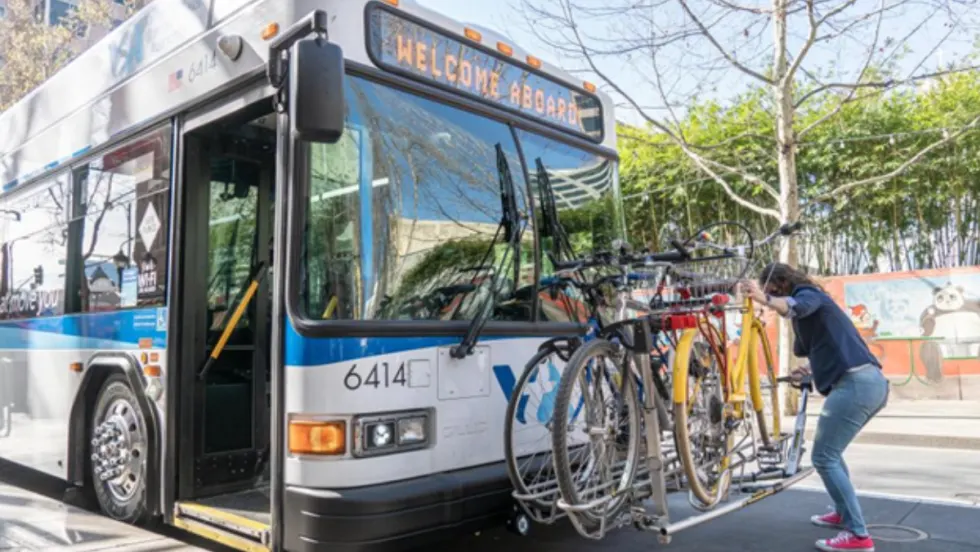
What Multimodal Data Can Tell Transit Agencies About Rider Demand
See how bike-on-bus data is giving transit agencies new insight into rider demand, capacity constraints, and gaps in first- and last-mile connections.
Read More →
From Hardware to Digital Partner: Luminator Charts Its Next Chapter
CEO Magnus Friberg discusses Luminator’s shift toward becoming a digital partner, the growing importance of software and interoperability, and how AI can help agencies improve operations and passenger experience.
Read More →
Biz Briefs: Alstom Lands Canadian Contract, LYT to Supply California TSP, and More
In METRO's latest installment, we take a look at recent news from Complete Coach Works, Beep, FlixBus, and more partnerships making headlines across the transportation sector.
Read More →
CharterUP’s Armir Harris on Technology, AI, and the Future of Group Mobility
In a recent episode of METROspectives, CharterUP Founder/CEO Armir Harris discussed the company’s evolution from an online charter bus marketplace into a technology platform supporting public- and private-sector mobility and much more.
Read More →
Jacksonville’s NAVI Project Charts a New Course for Autonomous Public Transportation
Through its NAVI program, JTA is showing how autonomous vehicles, intelligent infrastructure, and coordinated operations can work together to deliver everyday public transportation.
Read More →
Biz Briefs: Luminator Marks Milestone and More
From manufacturers and suppliers to transit agencies and motorcoach operators, these updates offer a snapshot of the projects, partnerships and business moves driving the industry forward.
Read More →
New Tricks for Old Bureaucracies: Joshua Schank on Making Transit Innovation Stick
Former LA Metro Chief Innovation Officer Joshua Schank discusses why good ideas aren't enough, how transit agencies can overcome resistance to change, and why today's challenges demand more innovation.
Read More →