



Americans support higher gas taxes, spending revenue on public transit
The survey is year seven of an annual series that repeats the same questions each year. This year’s results show that support for raising transportation taxes has grown over the past six years.



Americans are willing to pay increased taxes if the revenue is invested in specific transportation improvements, according to the results of a new Mineta Transportation Institute (MTI) national telephone survey.
The report, “What Do Americans Think About Federal Tax Options to Support Public Transit, Highways, and Local Streets and Roads? Results from Year Seven of a National Survey,” reveals that support depends on how the tax is structured and described, with some options supported by a majority — or even a supermajority — of Americans. The survey is year seven of an annual series that repeats the same questions each year. This year’s results show that support for raising transportation taxes has grown over the past six years.
The study, available for free here, was conducted by Asha Weinstein Agrawal, PhD, and Hilary Nixon, PhD.
“Conventional wisdom says that Americans strongly oppose any increase in the federal gas tax,” said Dr. Agrawal. “However, this survey shows that more than half of Americans support a federal gas tax increase if the revenue is dedicated to improving maintenance, safety, or the environment.”
Of the 10 transportation tax options tested, six had majority support.
Linking tax increases to safety, maintenance, or environmental benefits increased support by at least 10 percentage points among almost all the sociodemographic groups tested.
Support levels varied considerably by the type of tax. When taxes were described with no information other than the tax type, a new sales tax was much more popular than either a gas tax increase or a new mileage tax.
Looking across the seven years of survey data, support for all the taxes except the flat-rate mileage tax has risen modestly. In seven cases, support has increased by more than ten percentage points since the first year the question was asked.
A large majority (82%) said that expanding and improving transit services in their states should be a high or medium government priority.
Only one-half of respondents knew that fares don’t cover the cost of transit, and only 29% knew of the federal government’s role in funding public transit.
Two-thirds supported spending current gas tax revenues on transit, although only 41% supported increasing gas taxes to improve transit.
More Management
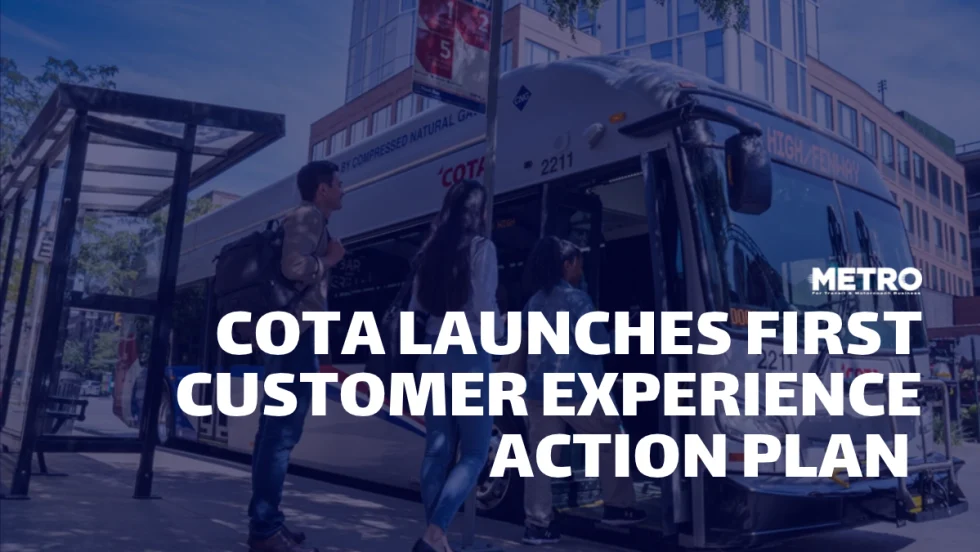
COTA Launches First Customer Experience Action Plan to Improve Transit Service
The new plan outlines improvements to service reliability, accessibility, communication, and the overall rider experience across Central Ohio's transit system.
Read More →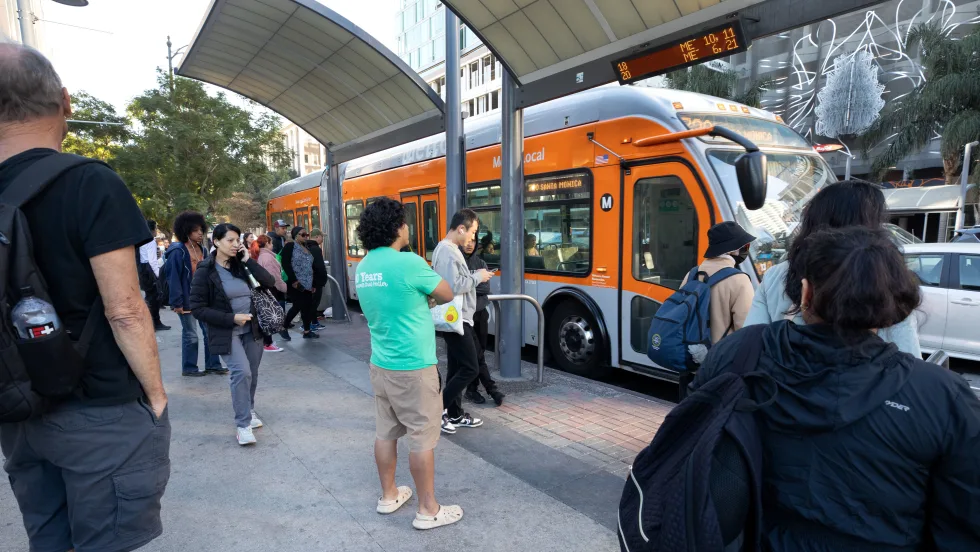
LA Metro September Ridership Climbs 3.9%, Led by Rail Growth
The agency recorded more than 27.2 million boardings, with rail ridership increasing 12.4% year over year and the D Line posting the largest gains.
Read More →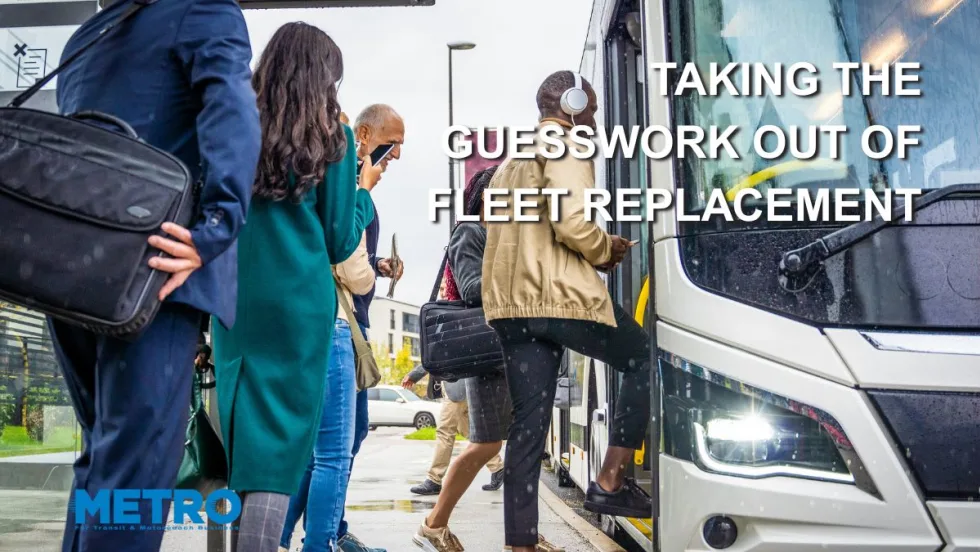
Utilimarc Launches SmartReplace to Optimize Fleet Replacement Decisions
AI-powered SmartReplace helps fleets prioritize vehicle replacements, model budget scenarios, and build more defensible long-term strategies.
Read More →
APTA Honors 2026 Award Winners, Hall of Fame Inductees at TRANSform & EXPO
Innovations in autonomous and zero-emission transportation, standout transit systems, and industry leadership took center stage among this year's honorees.
Read More →
7 Ways to Build a Better Transit Internship Program
Lessons from DRPA/PATCO’s approach to creating a meaningful internship experience—and developing the next generation of transportation professionals.
Read More →
Scenes from APTA TRANSform & EXPO 2026
Transit leaders, manufacturers, and industry professionals gathered in Chicago to explore new technologies, share ideas, and discuss the future of public transportation.
Read More →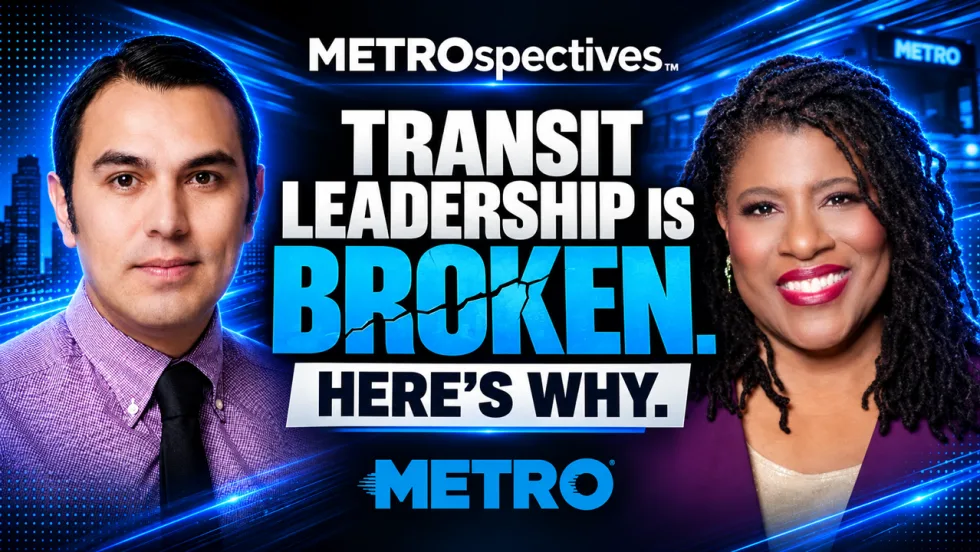
Building Stronger Leaders, More Resilient Transit Teams
Dr. Carol Parker Walsh discusses leadership development, employee retention, workplace culture, and preparing transit’s workforce for AI and automation.
Read More →
APTA 2026 TRANSform & EXPO Kicks Off in Chicago
After 45 years, APTA returns to Chicago with a focus on next-generation fleets, AI, connected transit networks, and the funding strategies shaping public transportation’s future.
Read More →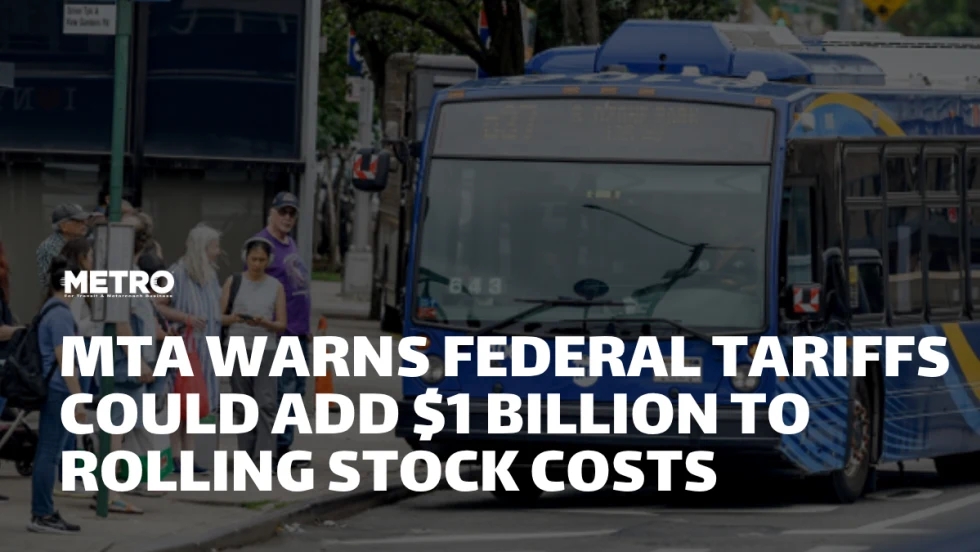
New York MTA Warns Federal Tariffs Could Add $1 Billion to Rolling Stock Costs
The agency said tariffs on specialized imported components could reduce the purchasing power of its $23 billion investment in new subway cars, railcars, and buses.
Read More →
From the Show Floor: What Happened at APTA TRANSform & EXPO 2026
See the latest product launches, partnerships, technology updates, and transit industry announcements from APTA TRANSform & EXPO in Chicago.
Read More →