



Panasonic, Cradlepoint partner for mobile computing, connectivity solution
The 4G-LTE and FirstNet solution delivers highly-secure, enhanced LTE connectivity for multiple devices — significantly improving productivity, reducing downtime, and enhancing the security of in-vehicle networks.



Panasonic and cloud-based network solutions provider Cradlepoint announced the commercial availability of an integrated mobile computing and connectivity networking solution. Designed for public safety and EMS agencies as well as transportation and utilities industries, the mobile computing and connectivity solution supports both commercial 4G-LTE and the emerging FirstNet public safety networks based on Band-14.
The easy to deploy and cost effective solution delivers highly-secure, enhanced LTE connectivity for multiple devices — significantly improving productivity, reducing downtime, and enhancing the security of in-vehicle networks.

With more than 20 years of wireless design and development experience, Panasonic understands that reliable connectivity and anywhere, anytime access to data provides tremendous value, and competitive advantage to its customers. In addition to reliable connectivity, Panasonic’s Toughbook® computers deliver the durability, reliability, and performance needed to keep pace with the ever-changing demands of today’s mobile workplace from public safety officers responding to disasters to utility workers braving the elements to get the power back on after a storm.
This new solution combines Panasonic’s reliable Toughbook devices with a rugged Cradlepoint cloud-managed 4G-LTE router providing a “vehicle area network” to connect computers, cameras, sensors, and telemetry interfaces together with access to commercial and emerging FirstNet broadband wireless networks.
The first wave of field automation for many police and fire departments and other public safely organizations has been the deployment of cellular-connected ruggedized laptops and tablets for real-time access to critical applications and information.
Now, a new wave of technologies and services are emerging to address the unique demands and challenges faced by today’s first responders. They include an array of connected devices, such as body-worn and dash cameras, evidence collection devices, and FirstNet wireless broadband networks based on dedicated Band-14 spectrum. This new wave has created the need for scalable, secure and reliable vehicle-based networks to tie these components together and to connect to private and public clouds and other public safety organizations over 4G-LTE.
More Management
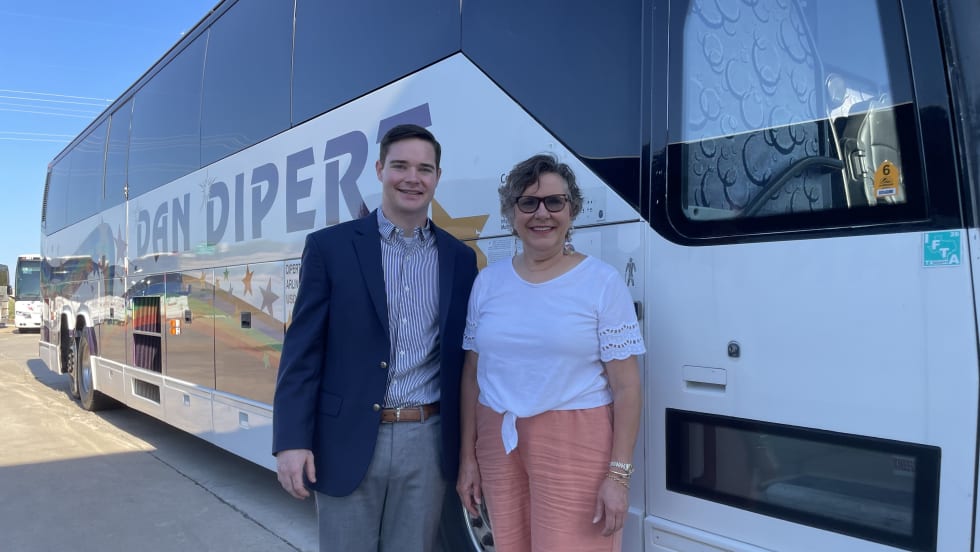
People Movement: Dan Dipert Coaches Adds Third-Generation Leader, Keolis Names New Valley Metro VP/GM, and More
In this edition, we also cover recent appointments and announcements at the Wabtec, SilverRide, HNTB, and more, showcasing the individuals helping to shape the future of transportation.
Read More →
METRO Opens Submissions for 2026 Motorcoach Awards
Nominations are now being accepted for METRO Magazine’s Operator of the Year and Innovative Operator of the Year awards.
Read More →
New York MTA Advances Final Contract for Second Avenue Subway Expansion
Contract Four is the largest in the Second Avenue Subway Phase 2 project and includes construction of station infrastructure, tracks, and signals for the subway expansion, MTA officials said. Work on Contract Four will begin in 2027.
Read More →

Transit Agencies Highlight Safety Gains at National Summit
Leaders from 15 major transit systems shared crime-reduction results and safety initiatives while discussing the role of continued federal support.
Read More →
NITA Names New Leadership, Expands Reduced-Fare Program at First Board Meeting
The new regional transit authority appointed its first board chair and interim executive director while extending reduced fares across CTA, Metra, and Pace for eligible riders.
Read More →
Beyond the Checklist: A Structured Approach to Transit Maintenance
Reliability-Centered Maintenance helps transit agencies move beyond routine checklists to focus limited resources on the assets and failures that have the greatest impact on safety, reliability, and service.
Read More →
APTA 2026 Nominating Committee Selects Leadership Slate, Names Chair and Vice Chair Nominees
Leadership changes will help shape the association’s priorities and its representation of the transportation industry during the 2026–2027 term.
Read More →
DART Launches Major Security, Fare Enforcement Initiative
The 90-day demonstration will deploy coordinated security teams at five light rail stations while testing controlled access and gathering data to guide future investments.
Read More →
Advancing Fare Collection Through Technology and Innovation
Learn about delivering 1300 gates at 91 stations while managing fare evasion. Explore the large scale deployment, solution customization and real-world results that affect the region. Prepare for deployment in your region now.
Read More →
Game Day in Motion: Moving Millions During the 2026 World Cup
Between packed transit stations and team motorcoaches, see how agencies and operators across North America tackled the transportation demands of the 2026 FIFA World Cup.
Read More →