




RELATED: Visalia Transit facility receives energy efficiency cert.
New GSA partnership to reduce D.C. Metro energy costs
The partnership lowers Metro’s electricity supply rate within the District, and is expected to save the authority more than $1 million per year compared with existing supply rates.
February 23, 2017

2 min to read

Metro GM Paul J. Wiedefeld announced a new partnership with the federal General Services Administration (GSA) to lower the rate Metro pays for electricity used within the District of Columbia.
Beginning in July 2017 and extending through November 2021, WMATA’s Pepco D.C. accounts will be added to GSA’s existing electricity supply contract with Direct Energy. The partnership lowers Metro’s electricity supply rate within the District, and is expected to save the authority more than $1 million per year compared with existing supply rates. These kinds of costs savings and efficiencies are factored into the GM’s Fiscal Year 2018 budget proposal.
"When it comes to running Metro as efficiently as we can, we are leaving no stone unturned," Wiedefeld said. "Every dollar matters, and I extend our thanks to the General Services Administration for their partnership."
Metro is also conducting an authority-wide Energy Audit to identify areas where savings can be achieved, while continuing to pursue sustainable energy initiatives. Recent sustainability projects implemented at WMATA include the installation of improved garage lighting that has increased safety at 25 parking facilities while reducing energy use by more than two-thirds, a pilot of new high-efficiency switch heaters on Metro’s tracks, and an ongoing effort to upgrade lighting in Metro station mezzanines and platforms with brighter, energy efficient LED fixtures.
Metro’s Energy Audit, which is expected to be released this summer, will recommend additional investments in sustainability that can reduce energy use and associated costs.
More Management
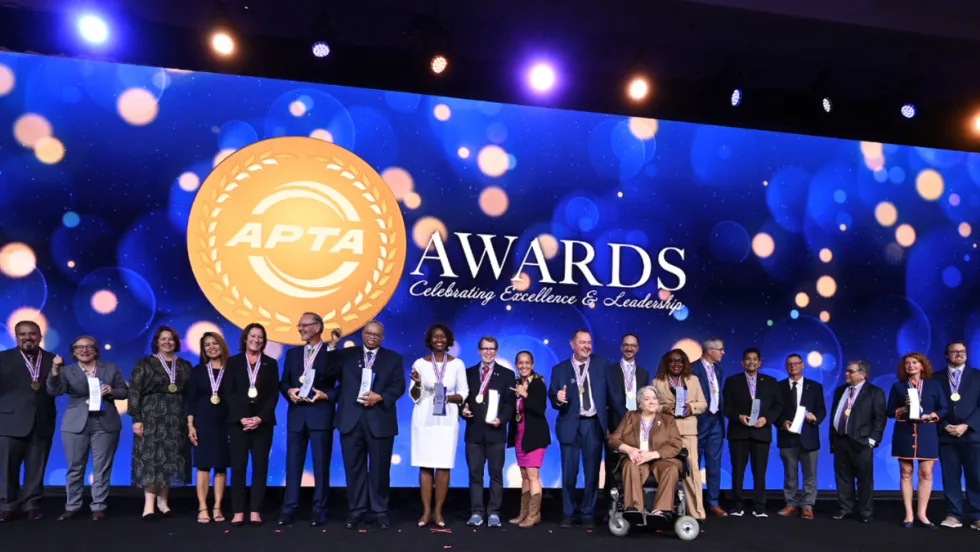
APTA Honors 2026 Award Winners, Hall of Fame Inductees at TRANSform & EXPO
Innovations in autonomous and zero-emission transportation, standout transit systems, and industry leadership took center stage among this year's honorees.
Read More →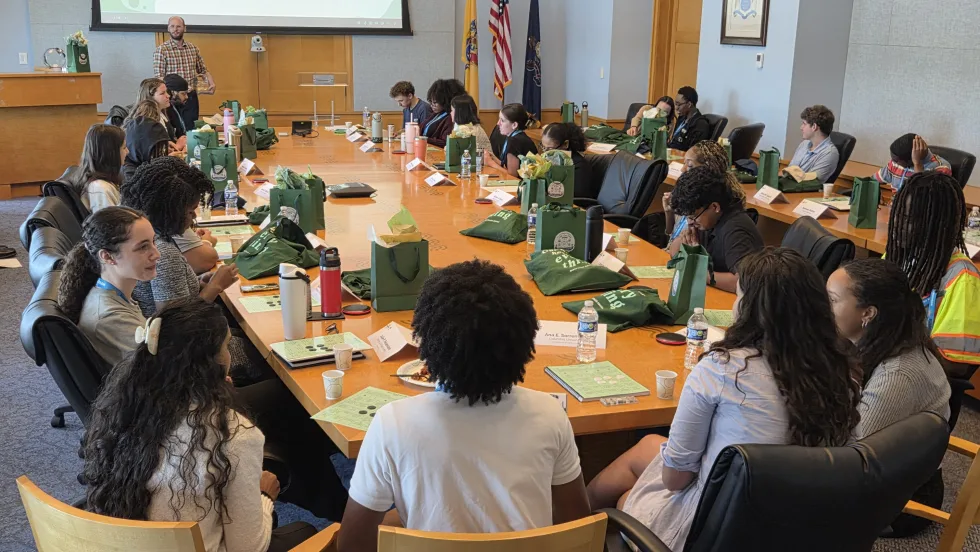
7 Ways to Build a Better Transit Internship Program
Lessons from DRPA/PATCO’s approach to creating a meaningful internship experience—and developing the next generation of transportation professionals.
Read More →
Scenes from APTA TRANSform & EXPO 2026
Transit leaders, manufacturers, and industry professionals gathered in Chicago to explore new technologies, share ideas, and discuss the future of public transportation.
Read More →
Building Stronger Leaders, More Resilient Transit Teams
Dr. Carol Parker Walsh discusses leadership development, employee retention, workplace culture, and preparing transit’s workforce for AI and automation.
Read More →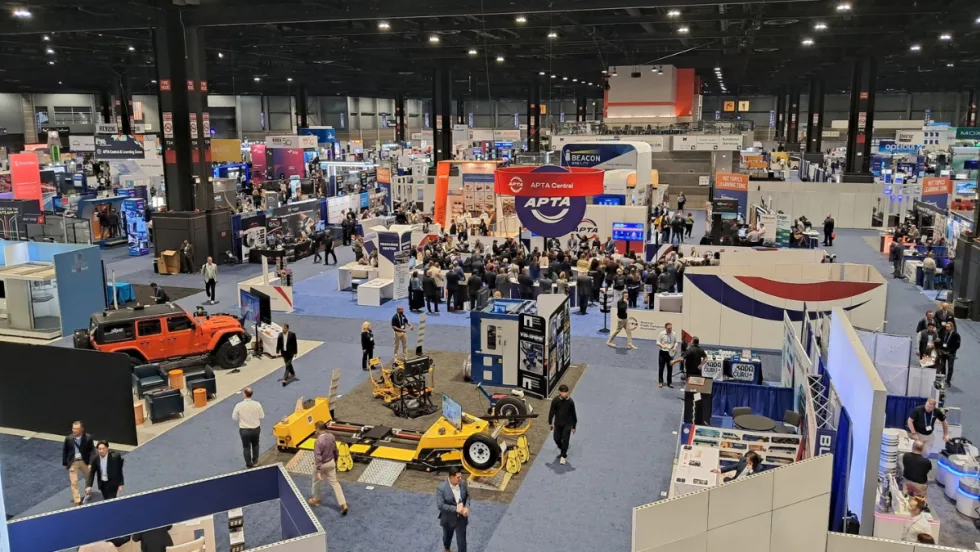
APTA 2026 TRANSform & EXPO Kicks Off in Chicago
After 45 years, APTA returns to Chicago with a focus on next-generation fleets, AI, connected transit networks, and the funding strategies shaping public transportation’s future.
Read More →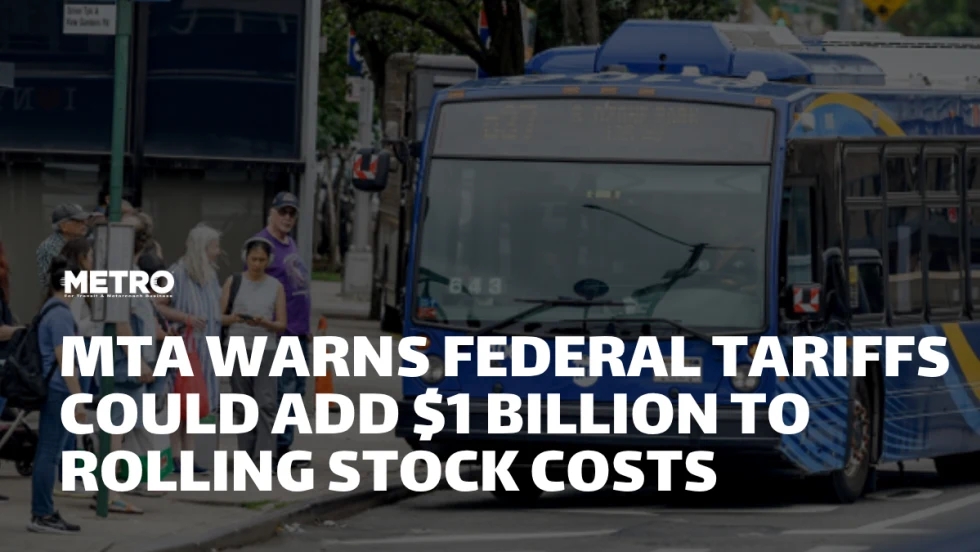
New York MTA Warns Federal Tariffs Could Add $1 Billion to Rolling Stock Costs
The agency said tariffs on specialized imported components could reduce the purchasing power of its $23 billion investment in new subway cars, railcars, and buses.
Read More →
From the Show Floor: What Happened at APTA TRANSform & EXPO 2026
See the latest product launches, partnerships, technology updates, and transit industry announcements from APTA TRANSform & EXPO in Chicago.
Read More →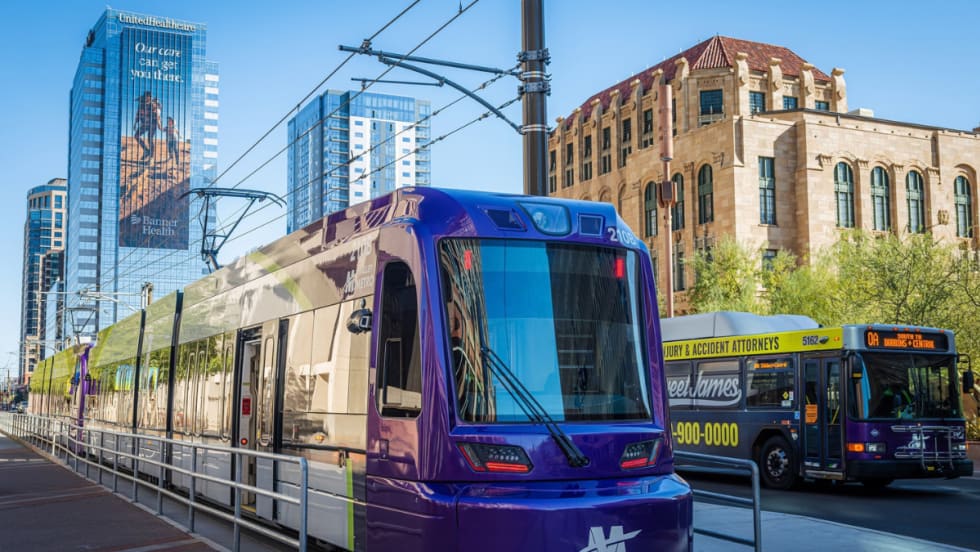
How Valley Metro Is Balancing Transit Growth With the Rider Experience
The APTA award-winning agency is pairing rapid system expansion with investments in workforce, safety, technology, and the fundamentals of transit service.
Read More →
Bus Tech Talk: Keeping Transit Technicians Ahead of the Technology Curve
In this episode of Bus Tech Talk, Complete Coach Works’ Business Development Manager Mark Hollenbeck and METRO’s Executive Editor Alex Roman sit down with Obed Mejia, Senior Technical Trainer for Bus Maintenance, at LA Metro to discuss how rapidly evolving bus technology is changing the maintenance shop — and the skills technicians need to keep pace.
Read More →
Michael Schneider Joins Paslay Group to Expand Transportation Practice
The longtime transportation executive will help Paslay Group grow its advisory and program management work across transit, highway, and other infrastructure sectors.
Read More →