




RELATED: INIT modernizes Portland-Vancouver fare payment system
INIT adds open payments system to Portland-Vancouver fare system
The plan offers riders greater social equity, and provides more cost-effective transport options for travel throughout the Portland-Vancouver Metropolitan Area.
August 23, 2017
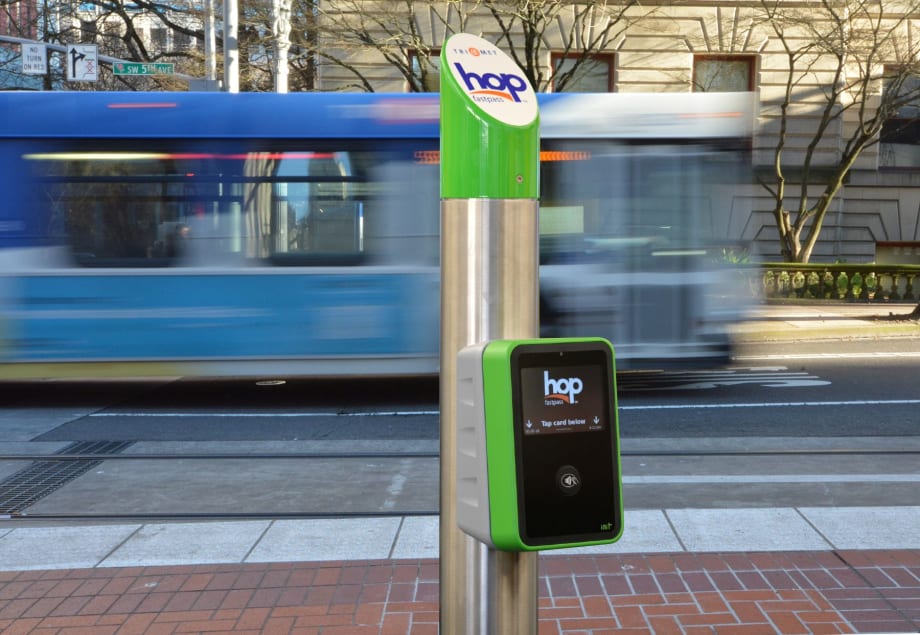
Regional riders can now pay for fares using a mobile wallet, such as AndroidPay, ApplePay, or SamsungPay, as well as any contactless bank card.
3 min to read
Regional riders can now pay for fares using a mobile wallet, such as AndroidPay, ApplePay, or SamsungPay, as well as any contactless bank card.
In partnership with TriMet, C-TRAN, and Portland Streetcar, INIT delivered the final element of the newly launched Hop Fastpass™ e-fare system — open fare payments.
Regional riders can now pay for fares using a mobile wallet, such as AndroidPay, ApplePay, or SamsungPay, as well as any contactless bank card. They simply tap their phone on any of the 1,200 INIT validators and hop on board the Portland Streetcar; C-TRAN buses including The Vine; TriMet’s buses; MAX light rail; and WES Commuter Rail.
Having the ability to pay with a credit card or mobile wallet frees riders from the worry associated with how many — or what kind of — tickets they should buy. They simply tap, hop on, and ride. In addition, Hop Fastpass™ cards offer daily and monthly fare capping so riders never have to worry about spending more than needed to take public transit. The plan offers riders greater social equity, and provides more cost-effective transport options for travel throughout the Portland-Vancouver Metropolitan Area.
INIT’s back-end processing software, MOBILEvario, serves as the core intelligence for the account-based and open payment fare system. It manages and processes fares in real-time and recognizes and processes revenue sharing, as well as manages accounts and automates reconciliations for all three agencies. Off-line processing is another added benefit of the INIT system. In the event of a network outage, fare payments can still be processed ensuring revenues are not lost.
“My vision was to build innovative, open payments, open architecture fare collection system for all of our regional riders,” says Chris Tucker, TriMet project manager. “We now have open payments, real-time fare calculation, daily and monthly fare capping, and seamless travel across three regional transit agencies and two states.”
INIT developed the system using open architecture API’s so that other partners could be easily incorporated. As an example, the IVR system and mobile apps were able to easily integrate with the INIT open payments e-fare system which benefited riders using the system with further tools and greater functionality.
TriMet and C-TRAN have the added benefit of a fully-integrated operations control and real-time passenger information system from INIT. The addition of the open payment e-fare component allows the agencies to realize a fully integrated Intelligent Transportation System. Due to INIT’s flexible and modular solution design, the e-fare module was installed within all Portland Streetcars without the need to interface with an operations control system.
“INIT has been an amazing partner, said Sean Donaghy, C-TRAN CEO. “The integrated approach they took helped us realize the launch of this modern and seamless open payments solution. What that means for our riders is they can move from the Streetcar to a TriMet bus, over to C-TRAN and all the way throughout the system with ease.”
The open payments system within the Portland-Vancouver Metropolitan Region was implemented within budget and on time.
More Management
CATS Launches West Charlotte Microtransit Zone, Expands Transit Services
The new microtransit zone connects residents to key destinations as Charlotte Area Transit System rolls out the first phase of its 2055 Transit System Plan.
Read More →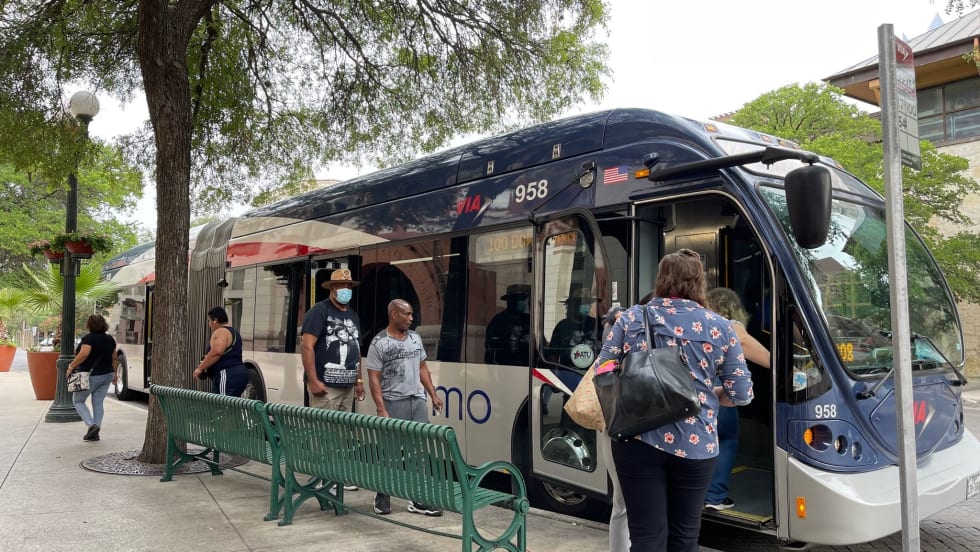
VIA Bus Ridership Grows 10.1% Through August 2026
San Antonio's VIA Metropolitan Transit reported the highest bus ridership growth among major Texas transit systems. Federal Transit Administration data ranked it second among the nation's 50 largest transit systems.
Read More →
CSA Group Releases Climate Resilience Standard for Transit, Passenger Rail
Developed with support from the Standards Council of Canada, CSA D700 guides assessing climate-related risks and planning adaptation measures for transit and passenger rail systems.
Read More →
ETA CEO John Maglio on Transit Technology, Innovation, and Building Agency Trust
ETA founder and CEO John Maglio explores the evolution of transit technology, the importance of reliable systems, and how stronger partnerships can help agencies improve operations and the passenger experience.
Read More →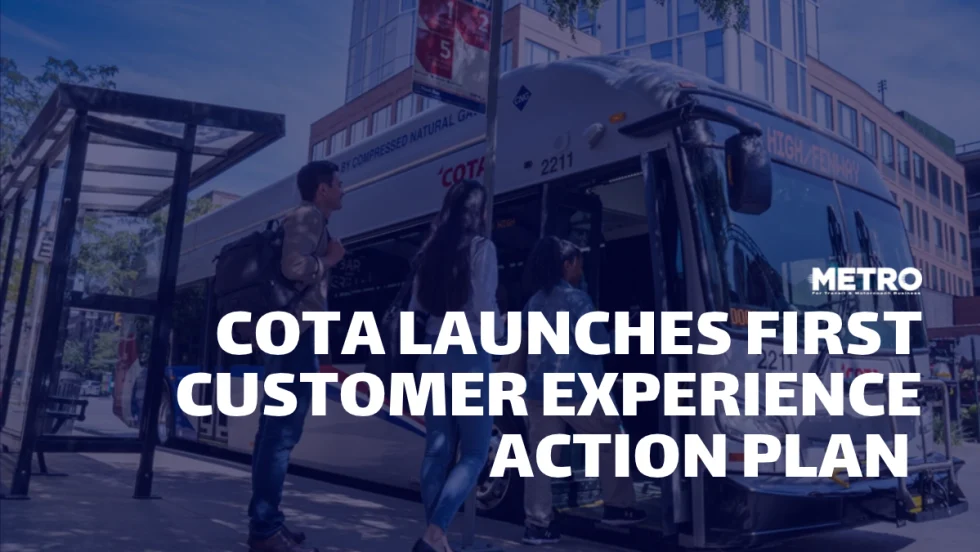
COTA Launches First Customer Experience Action Plan to Improve Transit Service
The new plan outlines improvements to service reliability, accessibility, communication, and the overall rider experience across Central Ohio's transit system.
Read More →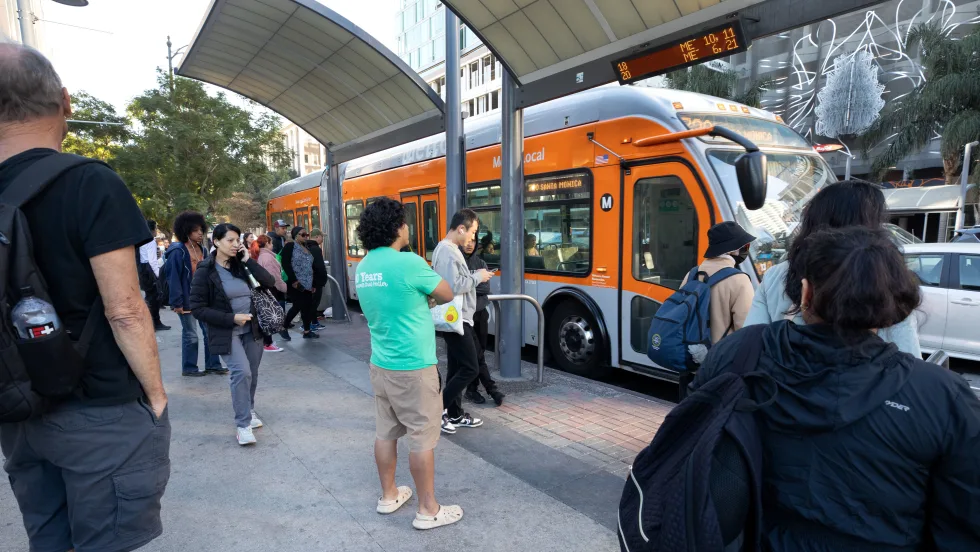
LA Metro September Ridership Climbs 3.9%, Led by Rail Growth
The agency recorded more than 27.2 million boardings, with rail ridership increasing 12.4% year over year and the D Line posting the largest gains.
Read More →
Utilimarc Launches SmartReplace to Optimize Fleet Replacement Decisions
AI-powered SmartReplace helps fleets prioritize vehicle replacements, model budget scenarios, and build more defensible long-term strategies.
Read More →
APTA Honors 2026 Award Winners, Hall of Fame Inductees at TRANSform & EXPO
Innovations in autonomous and zero-emission transportation, standout transit systems, and industry leadership took center stage among this year's honorees.
Read More →
7 Ways to Build a Better Transit Internship Program
Lessons from DRPA/PATCO’s approach to creating a meaningful internship experience—and developing the next generation of transportation professionals.
Read More →
Scenes from APTA TRANSform & EXPO 2026
Transit leaders, manufacturers, and industry professionals gathered in Chicago to explore new technologies, share ideas, and discuss the future of public transportation.
Read More →