




RELATED: Lhota unveils NYC subway action plan
New York MTA unveils customer-focused subway performance dashboard
In developing the new metrics dashboard in-house, New York City Transit reviewed global standards for publicly reported performance data and opted to surpass those standards in the interest of increased transparency.
October 3, 2017
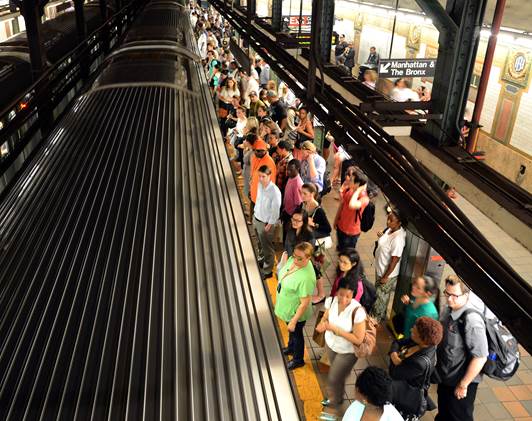
The new performance dashboard provides more data than ever in a dynamic, user-friendly interface that shows analytical information, such as customer wait times, subway car performance, and station environment standards, from a computer at any time.
MTA/Marc Hermann
3 min to read
The new performance dashboard provides more data than ever in a dynamic, user-friendly interface that shows analytical information, such as customer wait times, subway car performance, and station environment standards, from a computer at any time.
MTA/Marc Hermann
New York’s Metropolitan Transportation Authority launched a new online dashboard providing customer-focused, detailed performance metrics across the subway system as part of New York City Transit’s Subway Action Plan to improve service and make communication more clear and transparent for the millions of customers who travel on the subways daily.
MTA Chairman Joseph Lhota announced the creation of a new subway performance metrics dashboard for the riding public in July 2017, when he unveiled the multi-phase Subway Action Plan to stabilize the century-old subway system. The new performance dashboard provides more data than ever in a dynamic, user-friendly interface that shows analytical information, such as customer wait times, subway car performance, and station environment standards, from a computer at any time.
In developing the new metrics dashboard in-house, New York City Transit reviewed global standards for publicly reported performance data and opted to surpass those standards in the interest of increased transparency. While many transit systems around the world continue to report performance based on antiquated metrics that apply to freight and commuter railroads, such as terminal on-time performance, New York City Transit’s new performance dashboard provides data that paints a clearer picture of the customer’s commuting experience down to the subway line or the class of cars used on a subway line. Other transit systems, such as Transport for London, publicly report data such as journey times based on computer models. NYC Transit uses data culled from actual MetroCard entries and actual operations data to provide meaningful analyses of travel times and customer experiences.
“We have been working hard to implement our new Subway Action Plan by increasing maintenance and adding crews to respond quickly to emergencies that can severely affect service. We have been able to respond to those problems quicker than ever, sometimes restoring service in half the time or less than we could have done just a few years ago, and even though the plan has only been in effect for two months we are already seeing results,” said MTA Chairman Joseph Lhota. “With this new subway performance dashboard, we are continuing to hold ourselves accountable to the promises we made in July by letting our customers see for themselves when and where those improvements are happening.”
Metrics such as train capacity, customer wait time, train travel time and station environment altogether show the entirety of the customers’ experience from their home subway station, on the platform, traveling on the train, all the way to their final destination.
“The MTA’s new metrics are a significant step forward improving the way they measure and monitor subway service from the customer point of view,” said Alex Barron, head of Metro Benchmarking and associate director at the Railway and Transport Strategy Centre (RTSC) at Imperial College. “They are in line with the best measures in use across the globe, and the MTA should be commended for finding ways to use new technology and data sources to better measure the customer experience. Based on our experience working with the global Community of Metros (CoMET), we believe that these metrics should be adopted.”
More Management
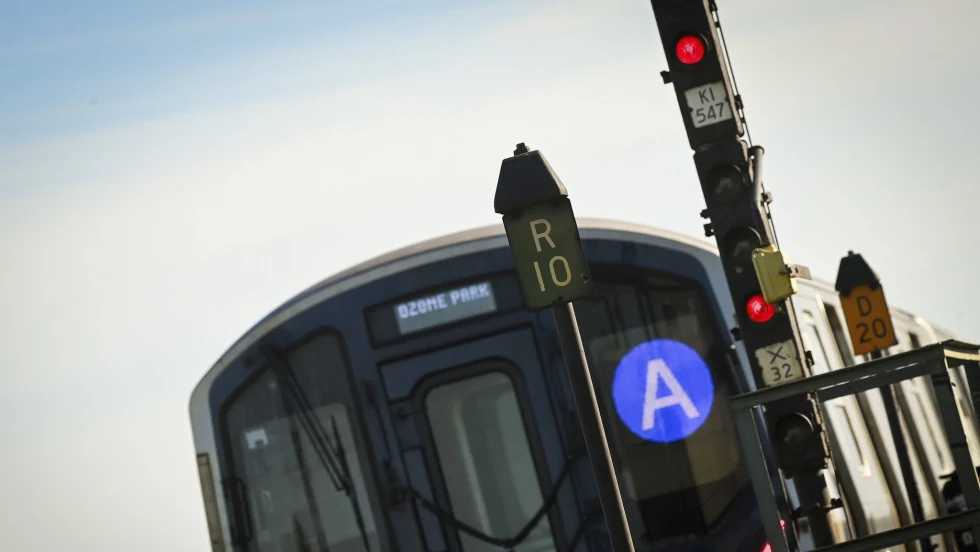
New York MTA Launches Historic $1.9B Signal, Track Modernization Project
Funded in part by congestion pricing revenue, the project will replace nearly century-old signals along the A and C lines in Brooklyn and Queens.
Read More →
Brian Dickson on Building Stronger, More Resilient Transportation Organizations
Bus Business Consultants Founder Brian Dickson discusses the leadership principles, operational discipline, and strategic planning that separate transportation companies positioned for long-term success from those stuck in survival mode.
Read More →
LA Metro Breaks Ground on Vermont BRT Project
The 12.4-mile corridor is projected to serve 66,200 daily riders, reduce travel times by up to 24%, and create the nation's busiest bus rapid transit corridor.
Read More →
Building Stronger Leaders, More Resilient Transit Teams
Dr. Carol Parker Walsh discusses leadership development, employee retention, workplace culture, and preparing transit’s workforce for AI and automation.
Read More →
Roman Cornell on ABC Companies’ Evolution and the Future of Passenger Transportation
The company’s CEO discusses carrying forward a third-generation family legacy, ABC’s continued evolution in passenger transportation, support for increasingly complex fleets, and how technology and continued investment could help operators improve uptime.
Read More →
CATS Launches West Charlotte Microtransit Zone, Expands Transit Services
The new microtransit zone connects residents to key destinations as Charlotte Area Transit System rolls out the first phase of its 2055 Transit System Plan.
Read More →
VIA Bus Ridership Grows 10.1% Through August 2026
San Antonio's VIA Metropolitan Transit reported the highest bus ridership growth among major Texas transit systems. Federal Transit Administration data ranked it second among the nation's 50 largest transit systems.
Read More →
CSA Group Releases Climate Resilience Standard for Transit, Passenger Rail
Developed with support from the Standards Council of Canada, CSA D700 guides assessing climate-related risks and planning adaptation measures for transit and passenger rail systems.
Read More →
ETA CEO John Maglio on Transit Technology, Innovation, and Building Agency Trust
ETA founder and CEO John Maglio explores the evolution of transit technology, the importance of reliable systems, and how stronger partnerships can help agencies improve operations and the passenger experience.
Read More →
COTA Launches First Customer Experience Action Plan to Improve Transit Service
The new plan outlines improvements to service reliability, accessibility, communication, and the overall rider experience across Central Ohio's transit system.
Read More →