



Transit GM Q&A: How are you stepping up your training?
METRO asked some of the top execs in the industry what they are doing to provide comprehensive training to both driver and maintenance staff.

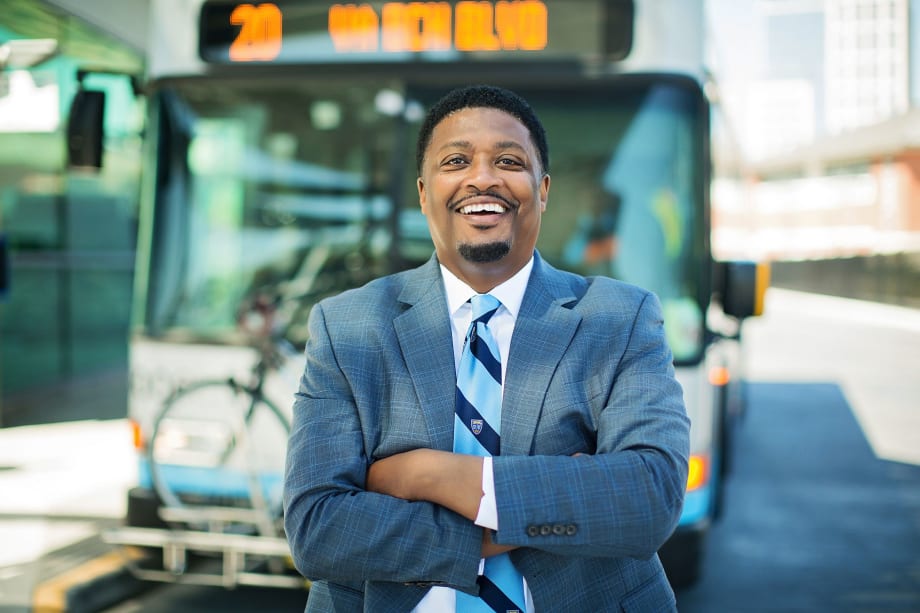
Harrell
Harrell
William E. Harrell, President/CEO
Hampton Roads Transit
Norfolk, Va.
When it comes to training, Hampton Roads Transit follows the American Public Transportation Association and industry best practices. Our training involves a combination of classroom, non-revenue hours, and on-the-job training. Job applicants are screened for driving record, medical history, and other important indicators before they’re accepted for training.
Bus operators receive 80 hours of classroom training, 144 hours of non-revenue hours, and 56 hours of on-the-job training. Rail operators receive 120 hours of classroom hours, 40 hours of non-revenue hours, and 120 of on-the-job training. There are multiple tests throughout each training course as well as a final exam the operators must pass. For maintenance staff, we provide classroom training, on-the-job training, and vendor training. All maintenance staff is trained on basic systems like brakes, electrical, fuel systems, and air conditioning. We track their training hours in a database.
We take advantage of many offerings, such as webinars, videos, white papers, and industry magazines to continually develop our trainers. We constantly monitor industry trends to help stay current of new issues that may affect operators. We plan to adopt new technologies that will allow us to deliver some training electronically, thus giving us greater flexibility in our training, while minimizing the operational impact. We also conduct a full day of refresher training annually to ensure operators remain sharp and focused.

Metzger
Melinda Metzger, Deputy Executive Director, Revenue Services
Pace Suburban Bus
Arlington Heights, Ill.
Safety is Pace’s highest priority, starting with our comprehensive training program for all operating employees. Once in service, all operating employees receive quarterly refresher training. To further enhance these training efforts, Pace implemented a coaching program that consists of one-on-one training to address and correct driving behaviors. Thanks to these thorough training programs, Pace is able to provide safe and reliable public transportation service to over 35 million riders annually.

Ford Sr.
Nathaniel P. Ford Sr., CEO
Jacksonville Transportation Authority
Jacksonville, Fla.
New JTA bus operators receive seven weeks of rigorous classroom and behind-the-wheel training. Trainees receive instruction using the Smith System and the Transit Safety Institute curriculum. JTA’s bus simulator is used for both new and veteran operators to simulate potential issues based on real-life situations. Additionally, the JTA has installed DriveCam event recorders on the buses to improve driver performance through coaching of observed risky driving behaviors. All operators attend quarterly safety meetings.
All new maintenance hires receive mandatory instruction and existing employees receive annual refresher classes. JTA also has a two-year in-house maintenance apprentice program which allows service utility employees an opportunity to move into the maintenance technician division. A skills gap assessment for maintenance technicians is underway which will test general mechanical and advanced skills. Once the skill gaps are identified, the JTA training department will customize programs that are tailored to each technician. In addition, equipment manufacturers offer direct training and employees sometimes have an opportunity to visit the bus manufacturer’s plant for additional learning opportunities.

Carpenter
Bill Carpenter, CEO
MyRTS
Rochester, N.Y.
We start with extensive training when we hire bus operators and maintenance staff at RTS. We have a mentoring program to support new operators. In this program, the new operators are paired with a more experienced operator for hands-on training during the final weeks of their initial training. We have training programs multiple times each year for bus operators. For mechanics, we have on staff a trainer dedicated to training just that group of employees. We bring in specialists from various manufacturers when new technology and systems are introduced. We regularly evaluate our training program and gather feedback from employees to ensure we are providing the best possible training on a consistent basis.

Basile
Carm Basile, CEO
Capital District Transportation Authority
Albany, N.Y.
We have a comprehensive safety and training program for bus operators and maintenance personnel. The safety and security of our customers is a top priority for us, so it’s important we provide our employees with the tools they need to stay current in their area of expertise.
Our operators begin a six-week training program as soon as they are hired that includes defensive driving, workplace safety, harassment and diversity, and customer service. After their first 90 days on the road, bus operators return to the classroom to review safety topics that relate to their real-life experiences. They also receive annual refresher training in customer service, defensive driving, aggressive behavior, and security.
Success in our maintenance department is driven by the technical competency of our employees. Their skillset and training are critical to our efforts to provide the most reliable equipment to customers. Maintenance personnel undergo training from day one of being hired. New bus and technology training, employee-requested training, external audit results-based training, and annual refresher training round out our maintenance safety and training program.

Green
David Green, CEO
GRTC Transit System
Richmond, Va.
GRTC’s mission is to provide clean, safe, and reliable transportation and to improve mobility and access. Staff receive refresher training every year, including additional safety instruction at regularly held meetings and a safety ‘Tip of the Week.’ Creative safety displays are also posted throughout GRTC. We take safety requests very seriously, recently deployed a mini-fleet of operator shields, and also implemented a Maintenance Apprenticeship Program.

Walton
Chris Walton, Director
Broward County Transit
Pompano Beach, Fla.
We have a comprehensive training model that includes programs for new employees, re-training for veteran operators and maintenance staff, new vehicle, and defensive driving lessons. BCT utilizes dedicated, full-time trainers, as well as training grants and pro-bono courses offered by APTA, TSI, and the Center for Urban Transportation Research in Tampa, Fla., to provide continuous safety and security training courses for bus operations, maintenance staff and BCT office personnel.
We stress and encourage professional development, which is essential to maintaining a top-notch transit system that is safe, secure, and reliable.
More Management
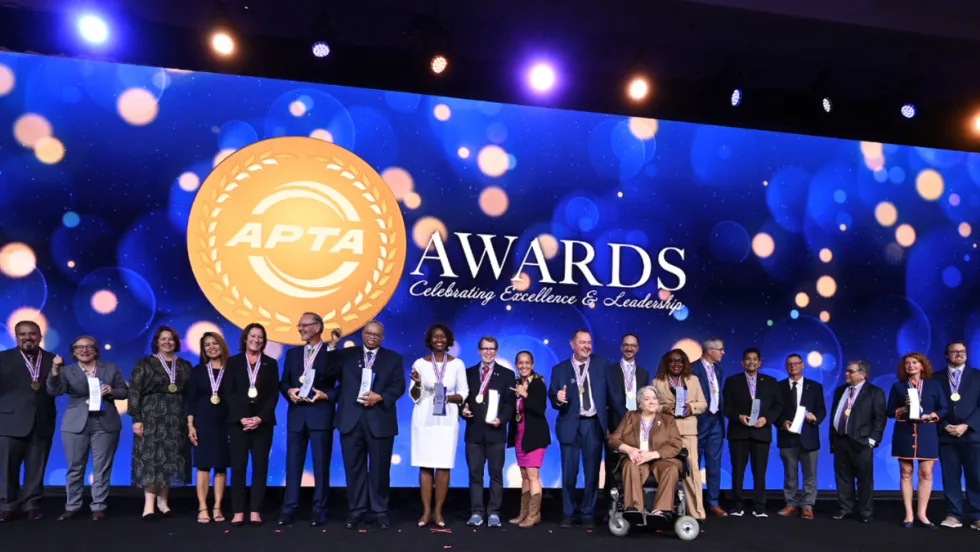
APTA Honors 2026 Award Winners, Hall of Fame Inductees at TRANSform & EXPO
Innovations in autonomous and zero-emission transportation, standout transit systems, and industry leadership took center stage among this year's honorees.
Read More →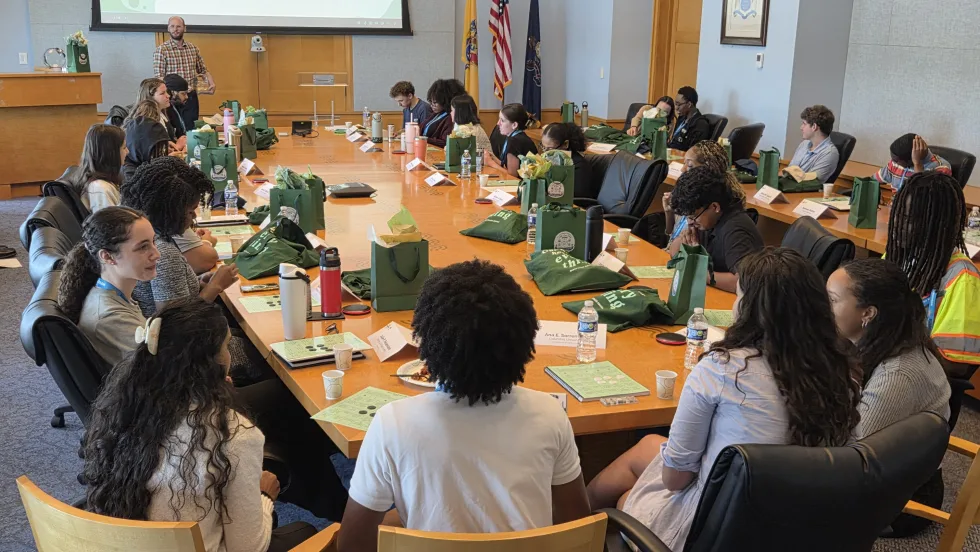
7 Ways to Build a Better Transit Internship Program
Lessons from DRPA/PATCO’s approach to creating a meaningful internship experience—and developing the next generation of transportation professionals.
Read More →
Scenes from APTA TRANSform & EXPO 2026
Transit leaders, manufacturers, and industry professionals gathered in Chicago to explore new technologies, share ideas, and discuss the future of public transportation.
Read More →
Building Stronger Leaders, More Resilient Transit Teams
Dr. Carol Parker Walsh discusses leadership development, employee retention, workplace culture, and preparing transit’s workforce for AI and automation.
Read More →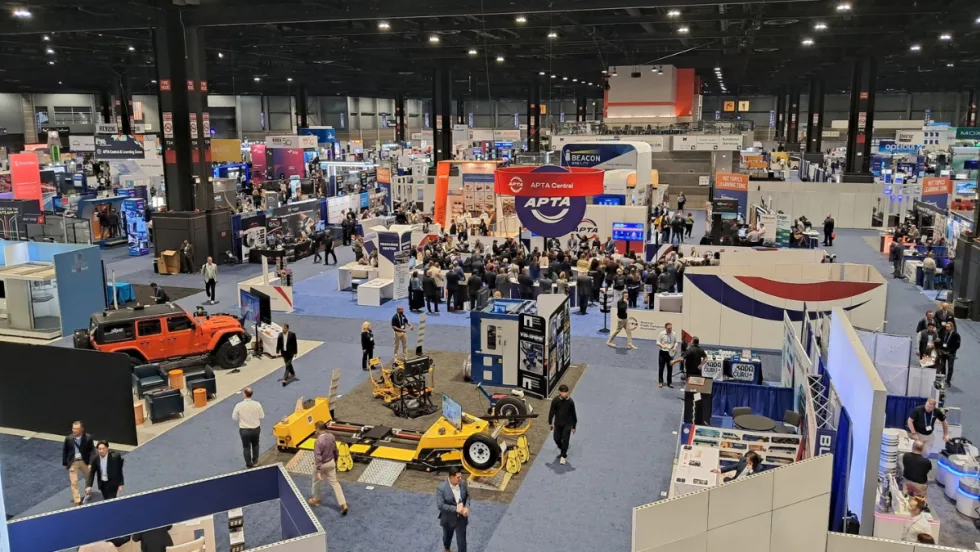
APTA 2026 TRANSform & EXPO Kicks Off in Chicago
After 45 years, APTA returns to Chicago with a focus on next-generation fleets, AI, connected transit networks, and the funding strategies shaping public transportation’s future.
Read More →
New York MTA Warns Federal Tariffs Could Add $1 Billion to Rolling Stock Costs
The agency said tariffs on specialized imported components could reduce the purchasing power of its $23 billion investment in new subway cars, railcars, and buses.
Read More →
From the Show Floor: What Happened at APTA TRANSform & EXPO 2026
See the latest product launches, partnerships, technology updates, and transit industry announcements from APTA TRANSform & EXPO in Chicago.
Read More →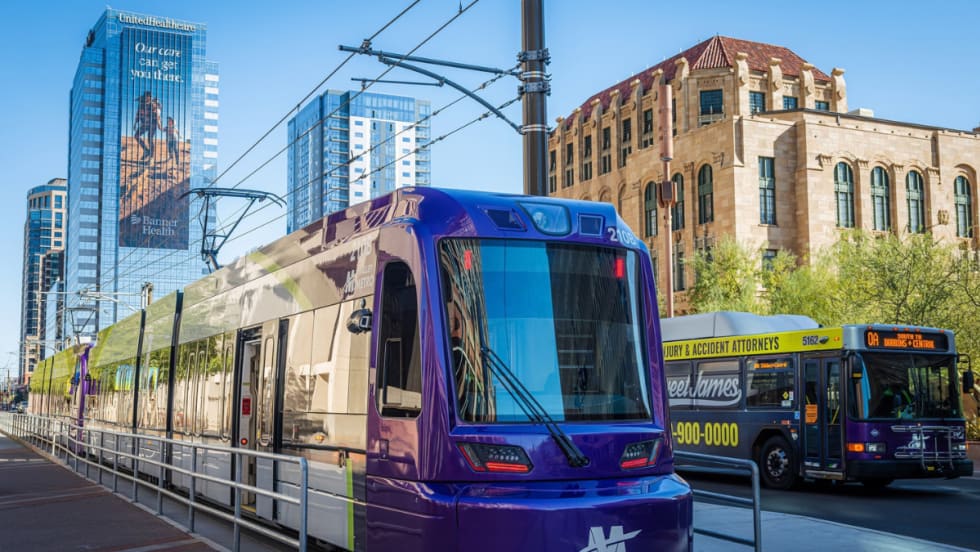
How Valley Metro Is Balancing Transit Growth With the Rider Experience
The APTA award-winning agency is pairing rapid system expansion with investments in workforce, safety, technology, and the fundamentals of transit service.
Read More →
Bus Tech Talk: Keeping Transit Technicians Ahead of the Technology Curve
In this episode of Bus Tech Talk, Complete Coach Works’ Business Development Manager Mark Hollenbeck and METRO’s Executive Editor Alex Roman sit down with Obed Mejia, Senior Technical Trainer for Bus Maintenance, at LA Metro to discuss how rapidly evolving bus technology is changing the maintenance shop — and the skills technicians need to keep pace.
Read More →
Michael Schneider Joins Paslay Group to Expand Transportation Practice
The longtime transportation executive will help Paslay Group grow its advisory and program management work across transit, highway, and other infrastructure sectors.
Read More →