



GRTC honors Rosa Parks
Parks is most well-known for her act of defiance on a Montgomery, Ala., bus on Dec. 1, 1955 that changed the course of history.

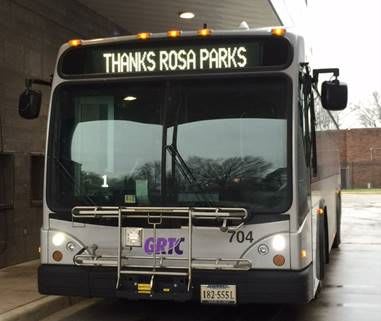
On the anniversary of an historic Civil Rights movement, Greater Richmond Transit Co. (GRTC) will pay special tribute to Rosa Parks on Friday, Dec.1. Photo: GRTC

On the anniversary of an historic Civil Rights movement, Greater Richmond Transit Co. (GRTC) will pay special tribute to Rosa Parks on Friday, Dec.1.
Parks is most well-known for her act of defiance on a Montgomery, Ala. bus on December 1, 1955 that changed the course of history. On that date, Parks refused to give up her bus seat to a white passenger. She was arrested and fined. Four days later, in response to Parks’ arrest, a year-long bus boycott began. It ended when the Supreme Court ruled that segregation on public transportation was illegal.

Parks, the “Mother of the Civil Rights Movement,” will be honored by GRTC in a fitting tribute by reserving the first passenger seat on every GRTC bus on the anniversary, Friday, Dec. 1, 2017. Each of these seats will have a commemorative sign displayed on them, honoring both Parks’ legacy and her dedication to the Civil Rights Movement. Operators will keep bus headlights on all day to represent her light, and the bus electronic header signs will rotate with a special message honoring Rosa Parks.
Parks was born on February 4, 1913 in Tuskegee, Ala. She passed away at the age of 92 on Oct. 24, 2005 in Detroit, becoming the first woman in American history to lie in state at the U.S. Capitol.
More Management
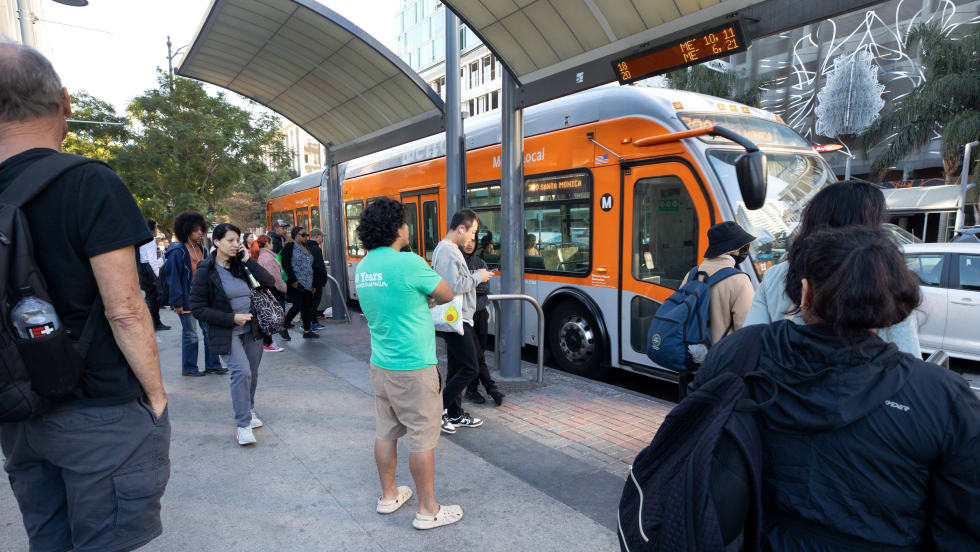
June LA Metro Ridership Surges 2 Million Year Over Year
Total June ridership increased for both weekdays and weekends. Weekday ridership was 953,820, which grew 8.4% from June 2025; Saturdays increased nearly 13% year-over-year to 708,826; and Sundays increased 7.7% to 611,534 from June 2025, according to LA Metro.
Read More →
Washington's Pierce Transit Board Sends Transit Funding Measure to November Ballot
With the adoption of Resolution 2026-006, the measure moves to the Pierce County Auditor, giving voters in the Pierce Transit service area the decision on whether to fund an expansion of local transit service within the agency’s service area.
Read More →
Building the Next Generation of Transit Technology
In this edition of METROspectives, Luminator CEO Magnus Friberg discusses the company's transformation, the growing role of AI and software, and what's next for transit technology.
Read More →
EPA Proposal to Ease Diesel Emissions Compliance Could Improve Reliability for Motorcoach Operators
The EPA is proposing to remove DEF-related engine derates for new heavy-duty diesel vehicles, a change bus operators say would improve safety and reliability while sparking debate over the future of emissions enforcement.
Read More →
Act Now to Join Rays the Mark Foundation's Annual Golf Tournament, Fundraiser
This year's tournament honors Emily DeVito, a member of the public transportation family whose story has moved colleagues across the industry — and with only a few foursomes remaining, organizers are encouraging companies and individuals to register soon.
Read More →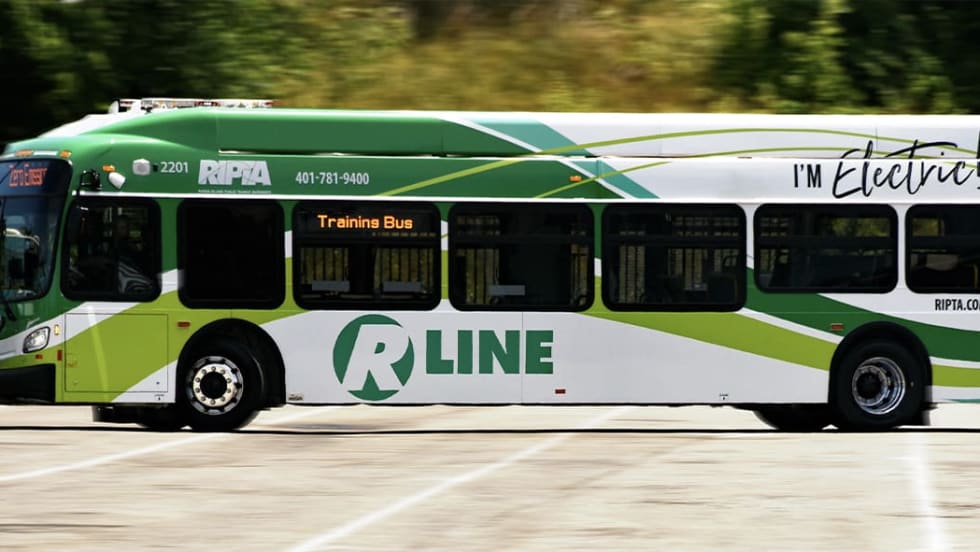
RIPTA Celebrates 60 Years of Public Transit Service
The Rhode Island agency is marking the milestone by highlighting service improvements, mobility initiatives, and its vision for the future of transit.
Read More →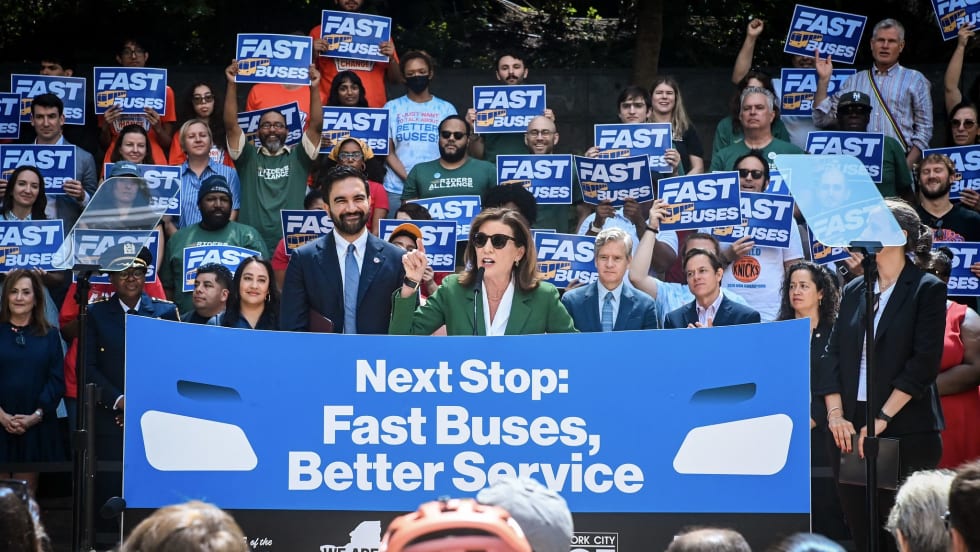
New York Unveils Sweeping Plan to Modernize City Bus Service
Next Stop: Fast Buses, Better Service identifies 50 priority bus corridors for improvements across the five boroughs and launches the City’s next generation of rapid bus service along five key routes.
Read More →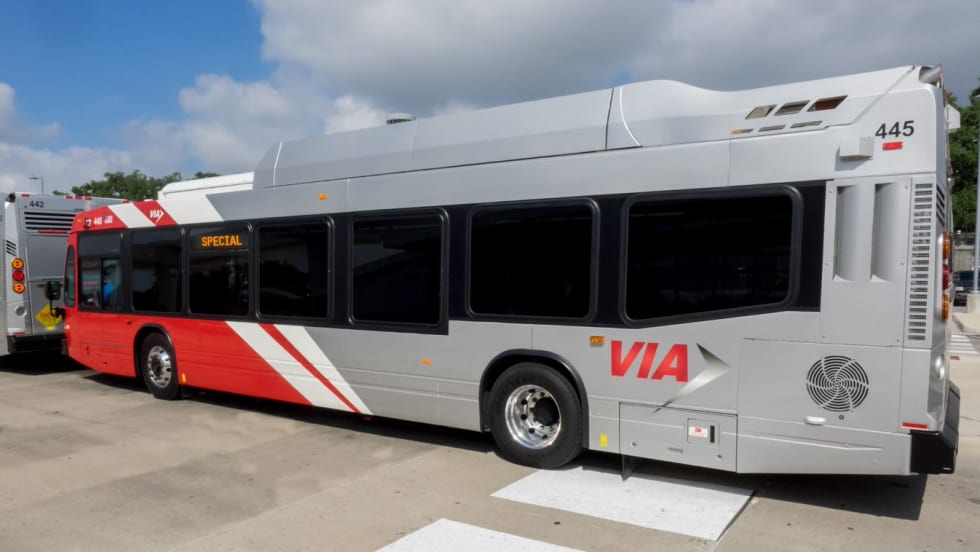
San Antonio's VIA Launches Second Year of Data Fellowship Program
The partnership gives Better Futures Scholars hands-on experience with real-world challenges while providing VIA with additional analytical capacity to support key agency priorities.
Read More →
CTDOT Taps STV for Electric Bus Facility Design
The firm will work with CTDOT and RVT to define the facility layout, operational requirements, and long-term flexibility for RVT’s growing electric fleet.
Read More →
USDOT Awards $170M for Transit Projects in Latest BUILD Grants
Federal funding will support maintenance facility upgrades and other projects aimed at improving transit safety and reliability across the U.S.
Read More →