



Public transit GM Q&A: How are you boosting ridership?
Top transit officials from Lexington, Ky., to Richmond, Va., provide their feedback.

Ferrell
Butler
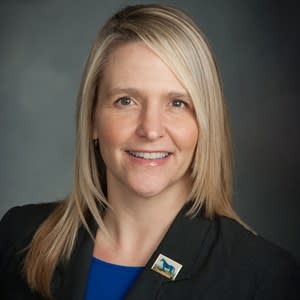
Carrie Butler, GM
Lextran
Lexington, Ky.
Last fall, we added trips on our busiest mainline route to provide more frequent service to customers, and also, in hopes of growing ridership. We are also doing more to keep our finger on the pulse of development plans in Lexington, to better align our service with the destinations where people travel today, versus 30 years ago.

Cline
Jim Cline, President
Denton County Transportation Authority
Lewisville, Texas
DCTA is facing challenges with ridership. Our biggest competition is convenience in a time when many of our passengers can afford car ownership. To face this challenge, we’re implementing fare strategies that reduce cost as a factor for our riders. We’re also addressing first- and last-mile connections with innovative mobility solutions, such as integration with taxi service and TNCs, which will provide easier access to our services.
Forbes
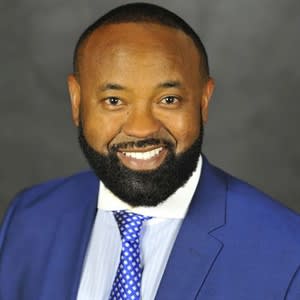
Clinton B. Forbes, Executive Director
Palm Tran
Palm Beach, Fla.
Our industry, including Palm Tran, has seen an unfortunate dip in ridership over the last few years. We recently established the PT-Stat program to approach important metrics, like ridership, with a laser-type focus. Our cross-disciplinary ridership team meticulously monitors ridership on a daily, weekly, and monthly basis and recommends tweaks and enhancements to service to boost ridership. One recent enhancement was improving access to transit by extending an existing underperforming route six miles to the West Palm Beach, Fla. VA Medical Center and the FITTEAM Ballpark of the Palm Beaches, which boosted ridership on the route by an unprecedented 90 percent.

Dunham
Kelly Dunham, Executive Director
Bay Area Transportation Authority
Traverse City, Mich.
The Bay Area Transportation Authority provides more than 500,000 rides annually and is currently experiencing a five-percent increase in ridership year-over-year. Ridership growth has been driven by modifying routes and services to meet the needs of new economic development projects in our region, offering a monthly commuter pass for frequent riders, and incorporating rider-friendly technologies, such as integrating BATA’s routes into Google Maps and the Transit App, so it’s easier for people to use public transportation.
Green
David Green, CEO
GRTC Transit System
Richmond, Va.
Boosting ridership begins with optimizing system speed, consistency, and ease of use. This year, we debut a modernized transit system with new and redesigned routes, including bus rapid transit service ‘GRTC Pulse.’ New bus stop amenities and enhanced signs improve the customer experience, and technology advancements, like mobile pay, an updated transit app, and new destination guide, make it easier to ride. Successful implementation will result in faster travel and convenient, reliable options for riders.

Terry
Michael Terry, President/CEO
IndyGo
Indianapolis
IndyGo is ramping up to a 70% increase in service over the next five years. This will mean every route running every day, a frequent and useable grid network design, better frequencies on the majority of routes, and three rapid transit lines. We are building a system, with public support after a voter referendum in 2016, that is useable. A system that more quickly and comfortably gets Indy residents and visitors to healthcare, recreation, education, and job opportunities.

Anguiano
Gamaliel Anguiano, Transit Manager
SLO Transit
San Luis Obispo, Calif.
We start with sound transit fundamentals, coupled with innovations in both operations and vehicles. SLO Transit prioritizes safety, reliability, accessibility, and efficiency in all its route planning. Then, we use a super simple route nomenclature system to easily orient new riders to our routes and schedules. Once on board, riders are treated to a modernly-styled vehicle with free Wi-Fi, two-tone flooring, sun-roofs, a hand-sanitizer station, a video-infotainment system, and other amenities.
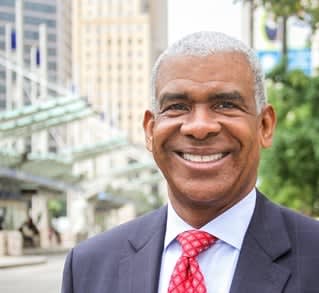
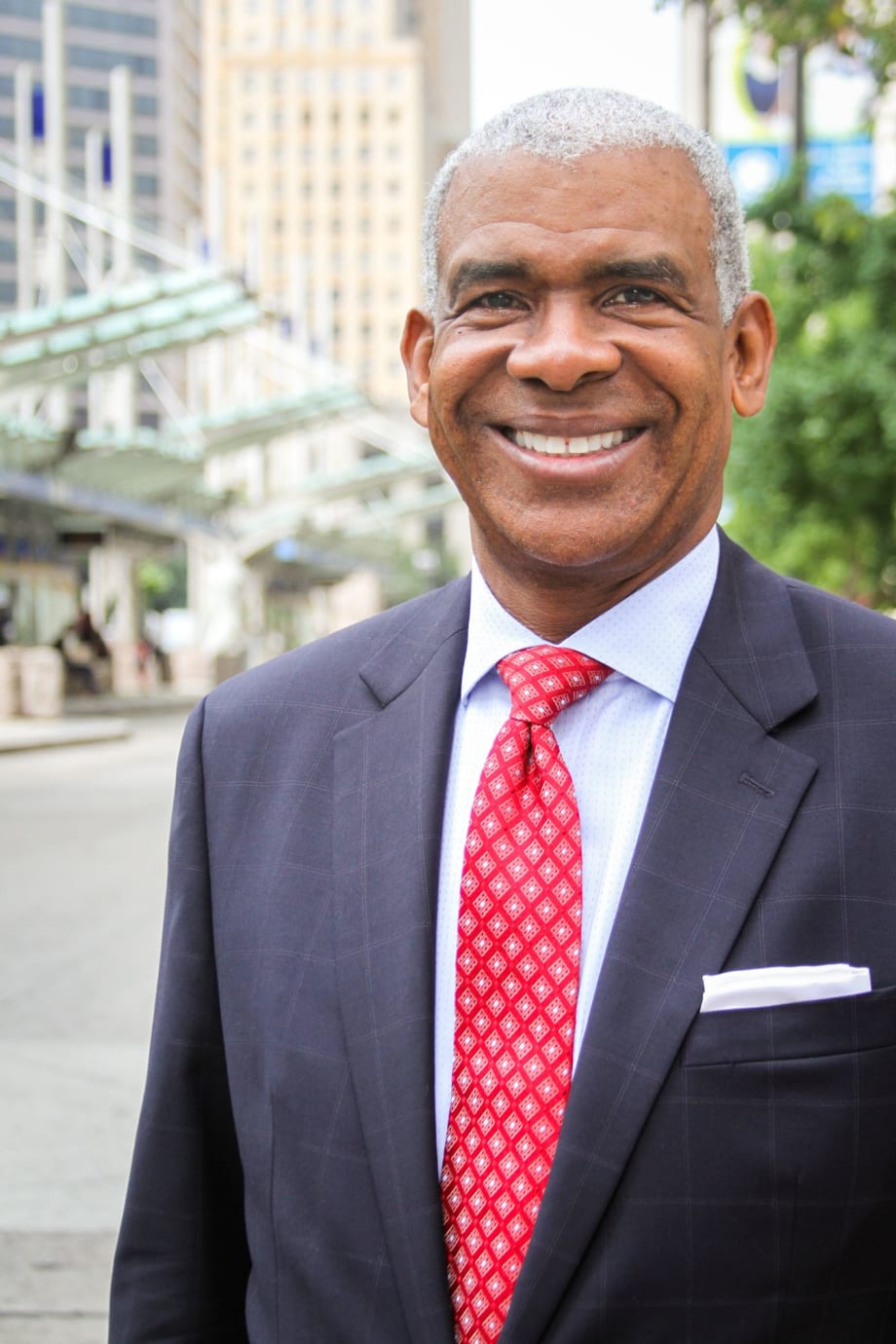
Ferrell
Dwight A. Ferrell, CEO/GM
Cincinnati Metro
Cincinnati
To increase ridership, our focus is on improving the customer experience to make using our service more attractive and competitive with owning a personal vehicle. We’re purchasing new buses with charging ports and more comfortable seating, and providing technology like real-time bus tracking, mobile trip planning and payment apps, and text alerts for service interruptions. Currently, we’re conducting a Wi-Fi pilot to evaluate providing this amenity, which would enable customers to use their commute to do what they otherwise couldn’t behind the wheel.
More Management

METRO Opens Submissions for 2026 Motorcoach Awards
Nominations are now being accepted for METRO Magazine’s Operator of the Year and Innovative Operator of the Year awards.
Read More →
New York MTA Advances Final Contract for Second Avenue Subway Expansion
Contract Four is the largest in the Second Avenue Subway Phase 2 project and includes construction of station infrastructure, tracks, and signals for the subway expansion, MTA officials said. Work on Contract Four will begin in 2027.
Read More →
Transit Agencies Highlight Safety Gains at National Summit
Leaders from 15 major transit systems shared crime-reduction results and safety initiatives while discussing the role of continued federal support.
Read More →

NITA Names New Leadership, Expands Reduced-Fare Program at First Board Meeting
The new regional transit authority appointed its first board chair and interim executive director while extending reduced fares across CTA, Metra, and Pace for eligible riders.
Read More →
Beyond the Checklist: A Structured Approach to Transit Maintenance
Reliability-Centered Maintenance helps transit agencies move beyond routine checklists to focus limited resources on the assets and failures that have the greatest impact on safety, reliability, and service.
Read More →
APTA 2026 Nominating Committee Selects Leadership Slate, Names Chair and Vice Chair Nominees
Leadership changes will help shape the association’s priorities and its representation of the transportation industry during the 2026–2027 term.
Read More →
DART Launches Major Security, Fare Enforcement Initiative
The 90-day demonstration will deploy coordinated security teams at five light rail stations while testing controlled access and gathering data to guide future investments.
Read More →
Advancing Fare Collection Through Technology and Innovation
Learn about delivering 1300 gates at 91 stations while managing fare evasion. Explore the large scale deployment, solution customization and real-world results that affect the region. Prepare for deployment in your region now.
Read More →
Game Day in Motion: Moving Millions During the 2026 World Cup
Between packed transit stations and team motorcoaches, see how agencies and operators across North America tackled the transportation demands of the 2026 FIFA World Cup.
Read More →
Surface Transportation Extension Averts Shutdown, Leaves Transit Funding Gap
The stopgap keeps federal transportation programs moving, but missing advance funding could complicate the transit and rail projects agencies are planning next.
Read More →