




RELATED: Paris transport launches 'shock' ads to fight sexual harassment
Legislation would require public transit to adopt anti-harassment rules
Policy could allow transportation companies to permanently ban any passengers who commit sexual assault or harassment on that transportation line.
May 28, 2018
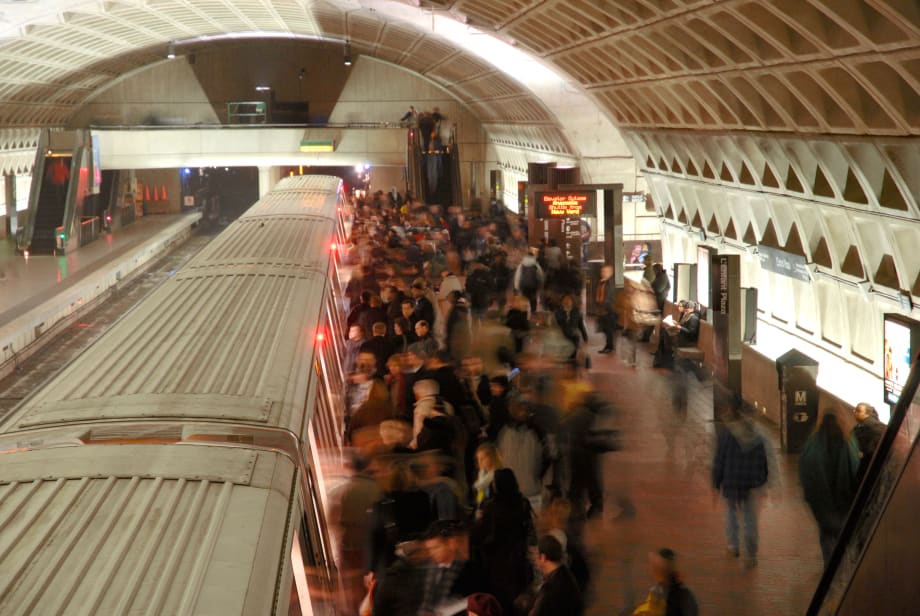
According to a 2018 national study, 17 percent of all respondents experienced sexual harassment while using mass transportation. Photo: WMATA/Larry Levine
2 min to read

WASHINGTON, D.C. — Federal lawmakers have proposed legislation requiring airlines and other transit operations to adopt policies to crack down on harassment and abuse, reported the Los Angeles Times.
The bill by Rep. Peter DeFazio (D-Oregon), which was prompted after a survey found widespread sexual harassment on commercial airlines, could allow the transportation companies to permanently ban any passengers who commit sexual assault or harassment on that transportation line, according to the report.
DeFazio's staff is not sure when the bill might be brought up for a vote, reported the Times.
For the full story, click here.
A press release (below) from Rep. DeFazio's office provides more details:
Last year Americans took 10.1 billion trips on public transportation. According to a 2018 national study, 17 percent of all respondents experienced sexual harassment while using mass transportation.
On U.S. airlines alone, 68 percent of flight attendants say they have experienced sexual harassment during their careers.
The “Stop Sexual Assault and Harassment in Transportation Act” would require transportation providers to adopt a formal policy providing that sexual assault and harassment in transportation is unacceptable under any circumstance. These providers must prominently display, on their websites or otherwise, a statement that they have adopted such a policy as well as the procedures their passengers can follow for reporting incidents of sexual assault and harassment. The policy must facilitate the reporting of these incidents; establish procedures for employees to follow if such an incident is reported; and require all appropriate employees to be trained on the policy.
In addition, the bill increases the current civil penalty for interference with crewmembers in commercial aviation from $25,000 to $35,000 and creates a similar civil penalty to protect employees working in other modes of transportation. Finally, the bill requires the Secretary of Transportation to annually collect data on incidents of sexual assault and harassment and make this data publicly available.
More Management
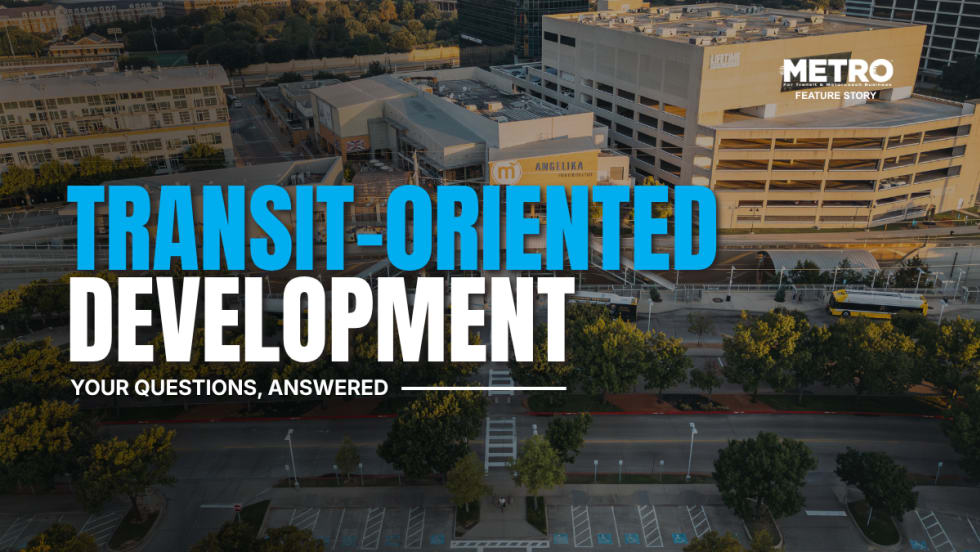
What Transit-Oriented Development Means for the Future of Public Transportation
Once viewed primarily as transit operators, agencies are now leveraging land, partnerships, and long-term planning to boost ridership, expand housing, and strengthen communities.
Read More →
USDOT Announces $22 Million for Transit Innovation, Updates High-Speed Rail Rules
New federal transit funding will support safety, accessibility, and technology projects as updated rail regulations establish new noise standards for high-speed trains.
Read More →
Transportation Construction Coalition Unveils Infrastructure Case Studies Ahead of Federal Funding Deadline
The coalition noted the next surface transportation bill should provide sustained investment in highways and public transit to strengthen freight movement, improve safety, and support economic growth.
Read More →
People Movement: American Bus Association Extends Ferguson and More
METRO’s People Movement highlights the latest leadership changes, promotions, and personnel news across the public transit, motorcoach, and people mobility sectors.
Read More →
METRO Magazine Announces 2026 Innovative Solutions Awards Winners
Projects Recognized for Advancing Mobility Through Technology, Accessibility, Workforce Innovation, and Operational Excellence
Read More →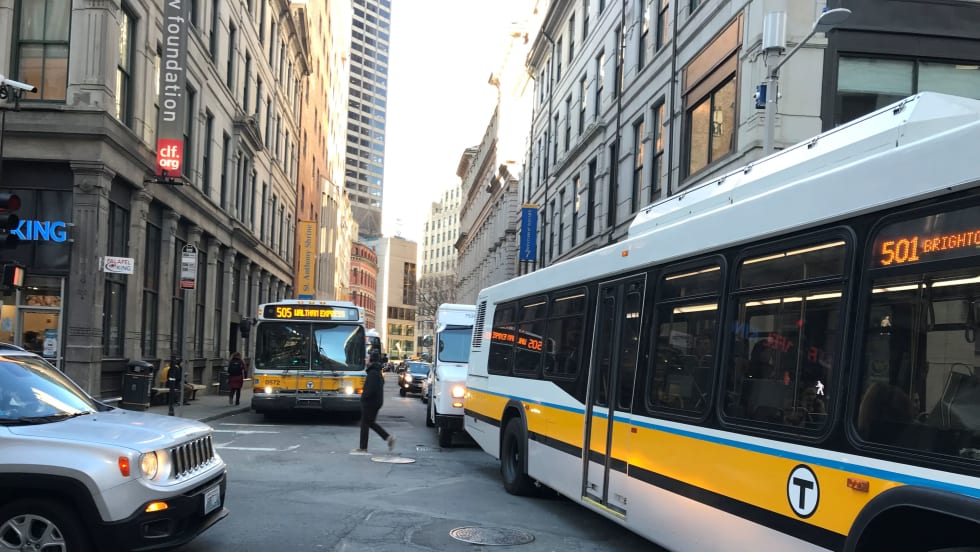
MBTA Rolls Out Pilot Programs to Cut Costs, Simplify Travel
Three new fare pilots — including unlimited two-hour transfers, reduced express bus fares, and free transit for eligible seniors — will launch this fall as Massachusetts extends popular commuter rail discounts through November.
Read More →
FTA Opens $610 Million Funding Opportunity for Bus Infrastructure Projects
The latest Notice of Funding Opportunity provides transit agencies with funding for bus facilities, fleet modernization, and low- and no-emission vehicles, with applications due September 21.
Read More →
Biz Briefs: STV teams with Amtrak, Motorcoach Operators Boost Fleet and Land Contracts, and More
From manufacturers and suppliers to transit agencies and motorcoach operators, these updates offer a snapshot of the projects, partnerships and business moves driving the industry forward.
Read More →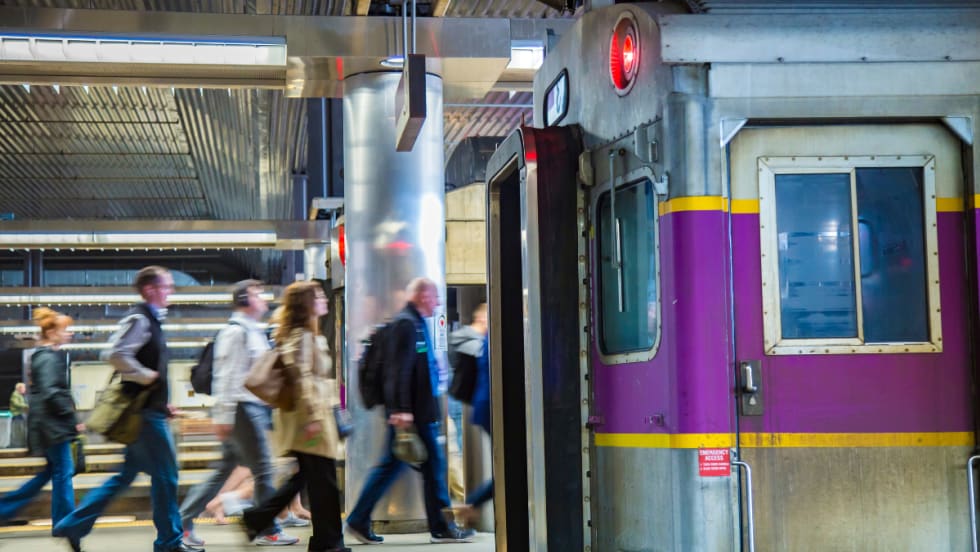
Massachusetts Approves $530M to Strengthen MBTA Operations, Infrastructure
The funding package targets operating stability, capital improvements, and fare affordability, offering a model for agencies navigating long-term funding challenges.
Read More →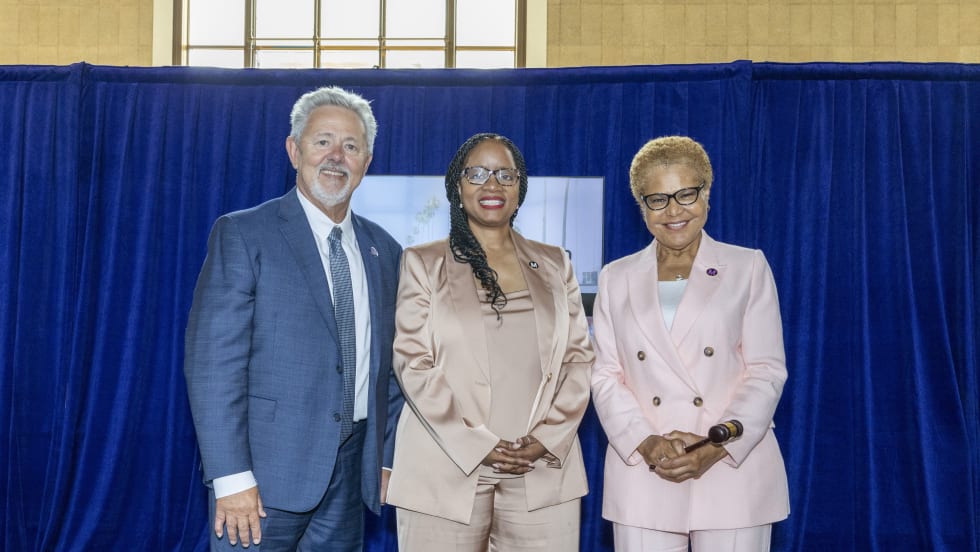
LA Metro Marks Banner Year, Sets Ambitious Goals for New Fiscal Year
Incoming LA Metro Board Chair and Los Angeles Mayor Karen Bass joined outgoing Board Chair Fernando Dutra and LA Metro CEO Stephanie Wiggins to review accomplishments from fiscal year 2026, which included the opening of new rail extensions, advancement of major transit projects, expanded safety programs, and new rider amenities.
Read More →