



BaltimoreLink wins AASHTO National Transportation Award
Gov. Hogan's transit improvement plan to better connect people in the region to jobs and other transit modes was one of six projects in the Northeast to be recognized.

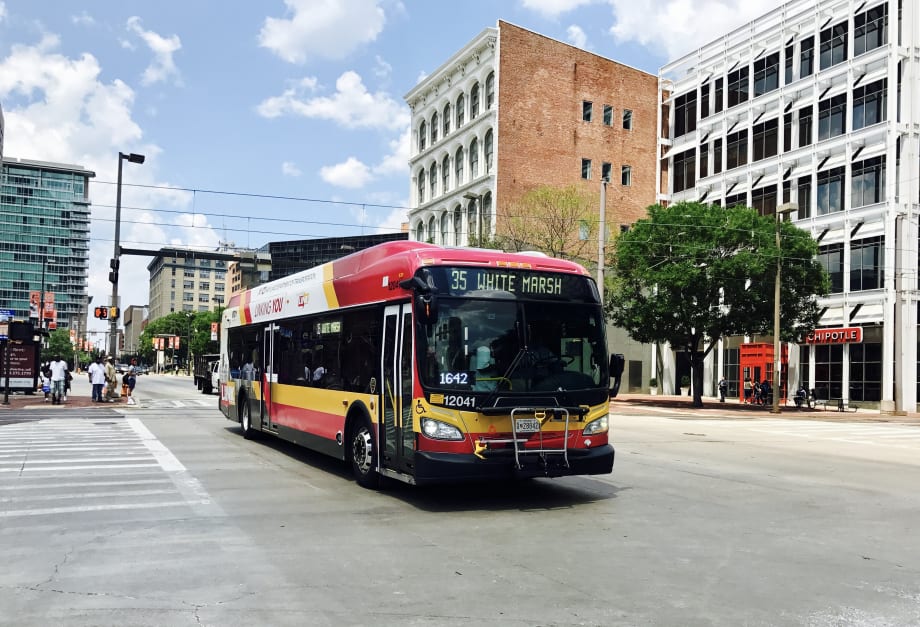
BaltimoreLink, which launched in June 2017, was a $135 million, multi-phase plan to create an interconnected transit system by redesigning local and express bus systems throughout Baltimore and adding 12 new high-frequency, color-coded routes that improve connections to jobs.
MDOT MTA

BaltimoreLink recently won an award for Operations Excellence from the American Association of State Highway and Transportation Officials (AASHTO).
BaltimoreLink — Gov. Hogan Administration’s transit improvement plan to better connect people in the region to jobs and other transit modes — was one of six projects in the Northeast to be recognized in the 11th annual America’s Transportation Awards.
The program won in the category for medium-sized projects costing between $25 million and $200 million. AASHTO, which represents all 50 state departments of transportation, honors individuals and transportation departments annually for exemplary service in the transportation field.
“We are pleased to receive this awesome recognition from our peers in transportation agencies across the country,” said Administrator Kevin Quinn of the Maryland Department of Transportation Maryland Transit Administration (MDOT MTA). “BaltimoreLink kick-started a new era for our agency and the people of Baltimore with the first major transit system overhaul in 50 years.”
BaltimoreLink, which launched in June 2017, was a $135 million, multi-phase plan to create an interconnected transit system by redesigning local and express bus systems throughout Baltimore and adding 12 new high-frequency, color-coded routes that improve connections to jobs and MARC Train, Metro SubwayLink, and Light RailLink.
The new transit system transformed Baltimore’s half-century-old and outdated transit network with implementation of bus-only dedicated lanes, installation of transit signal priority, construction of a transfer hub network, rebranding and replacement of about 4,500 transit signs, expanded commuter bus service, new shared bicycle availability, access to car-sharing options, and more. MDOT MTA launched its Transit app last month and plans to introduce mobile ticketing later this summer.
AASHTO will announce winners in the three remaining regions throughout the summer. The three highest-scoring projects from each region will be included in the “Top 12” to compete for a grand prize and people’s choice award. Online voting begins Aug. 30. The top two winners — which will be announced Sept. 23 at AASHTO’s annual meeting in Atlanta — also will receive $10,000 to be donated to a charity or scholarship of the state DOT’s choosing.
More Management
Turn Transit Data Into Action
Discover how leading agencies are using connected technology to gain real-time visibility across operations, improve service reliability, and reduce disruptions.
Read More →
What Transit-Oriented Development Means for the Future of Public Transportation
Once viewed primarily as transit operators, agencies are now leveraging land, partnerships, and long-term planning to boost ridership, expand housing, and strengthen communities.
Read More →
USDOT Announces $22 Million for Transit Innovation, Updates High-Speed Rail Rules
New federal transit funding will support safety, accessibility, and technology projects as updated rail regulations establish new noise standards for high-speed trains.
Read More →
Transportation Construction Coalition Unveils Infrastructure Case Studies Ahead of Federal Funding Deadline
The coalition noted the next surface transportation bill should provide sustained investment in highways and public transit to strengthen freight movement, improve safety, and support economic growth.
Read More →
People Movement: American Bus Association Extends Ferguson and More
METRO’s People Movement highlights the latest leadership changes, promotions, and personnel news across the public transit, motorcoach, and people mobility sectors.
Read More →
METRO Magazine Announces 2026 Innovative Solutions Awards Winners
Projects Recognized for Advancing Mobility Through Technology, Accessibility, Workforce Innovation, and Operational Excellence
Read More →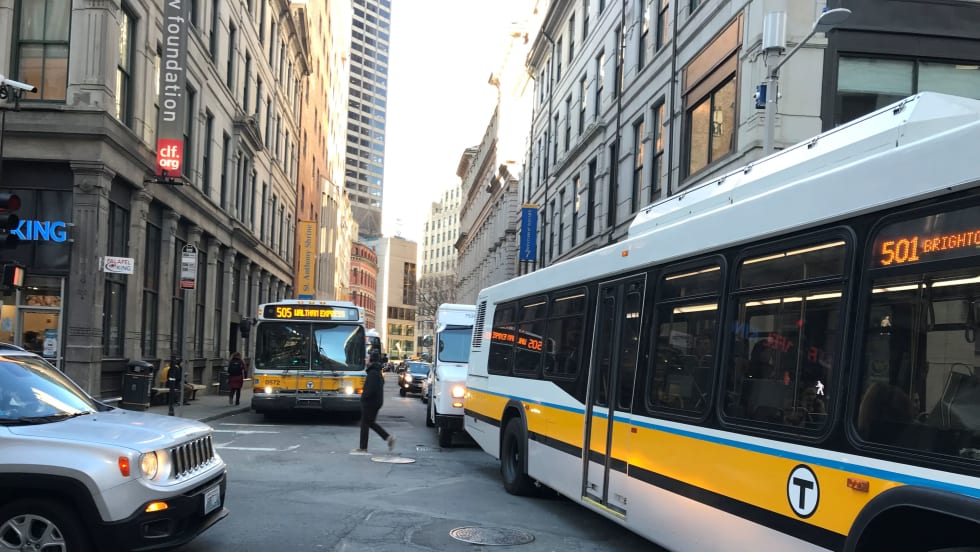
MBTA Rolls Out Pilot Programs to Cut Costs, Simplify Travel
Three new fare pilots — including unlimited two-hour transfers, reduced express bus fares, and free transit for eligible seniors — will launch this fall as Massachusetts extends popular commuter rail discounts through November.
Read More →
FTA Opens $610 Million Funding Opportunity for Bus Infrastructure Projects
The latest Notice of Funding Opportunity provides transit agencies with funding for bus facilities, fleet modernization, and low- and no-emission vehicles, with applications due September 21.
Read More →
Biz Briefs: STV teams with Amtrak, Motorcoach Operators Boost Fleet and Land Contracts, and More
From manufacturers and suppliers to transit agencies and motorcoach operators, these updates offer a snapshot of the projects, partnerships and business moves driving the industry forward.
Read More →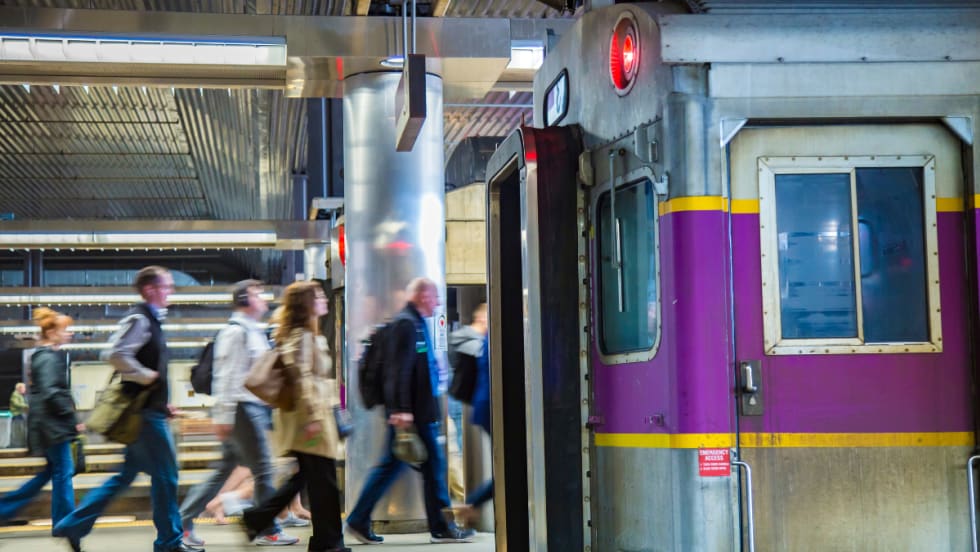
Massachusetts Approves $530M to Strengthen MBTA Operations, Infrastructure
The funding package targets operating stability, capital improvements, and fare affordability, offering a model for agencies navigating long-term funding challenges.
Read More →