



Caltrain takes new approach to fare enforcement
In the past, Caltrain has used a proof-of-payment/honor-based system, and conductors were responsible for daily fare inspections.

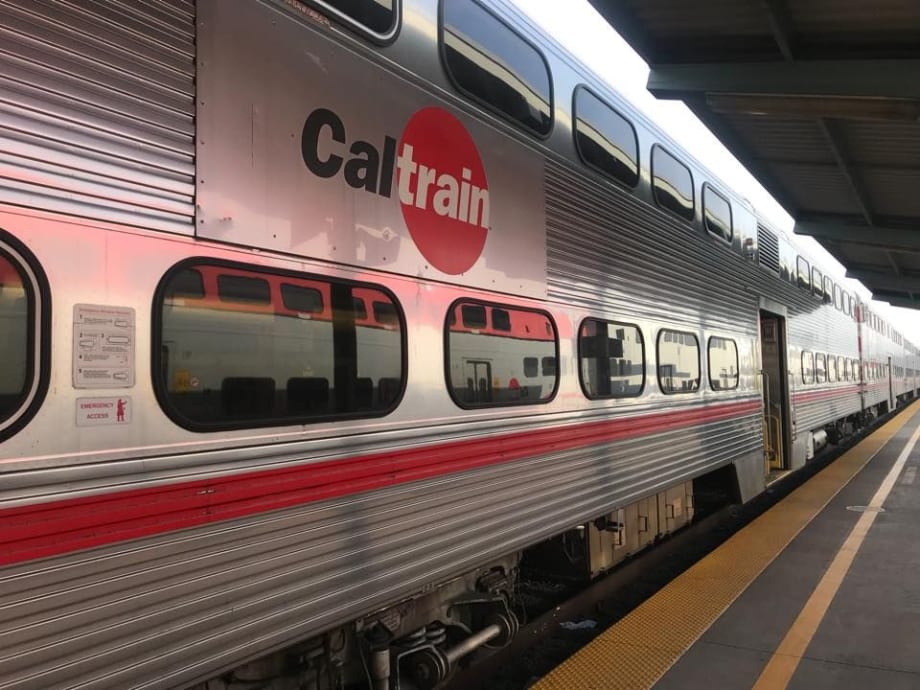
Caltrain operates in three jurisdictional counties in California: San Francisco, San Mateo, and Santa Clara. Photo: Caltrain/Facebook
Caltrain operates in three jurisdictional counties in California: San Francisco, San Mateo, and Santa Clara. Photo: Caltrain/Facebook
Caltrain began testing its new fare enforcement policy, which will give fare evaders administrative citations instead of criminal citations that require a court visit, reducing fines and speeding up the process. Citations will only be warnings until July 25, at which point fare evaders will be fined.
In the past, Caltrain has used a proof-of-payment/honor-based system, and conductors were responsible for daily fare inspections. This policy was time-intensive, which hindered the ability of conductors to make more checks. Approximately twice a month, fare evaders have responded aggressively toward conductors during the 10- to 15-minute citation process, resulting in the train being stopped and Transit Police being dispatched to make an arrest, inconveniencing the train’s other passengers. The new administrative citations will reduce the necessary man-hours, free up conductors to check more tickets, and has the potential to generate more revenue.
Caltrain operates in three jurisdictional counties in California: San Francisco, San Mateo, and Santa Clara. The previous policy presented many challenges to Caltrain patrons with varying court procedures and penalties depending on jurisdiction. The new policy will create a standardized electronic issuance procedure for conductors and minimize confusion for Caltrain passengers. In addition, the in-house administrative hearing/review process will reduce court congestion for all three Superior Courts.
Currently, fines are $250 plus court administrative fees and are considered criminal infractions. The new ordinance will reduce fines to a $75 administrative penalty for a first offense.
The new administrative notice of violation will adopt procedures to identify, deter, and penalize fare evasion in a timely, efficient and fair manner. This will minimize the expense and delay where existing remedies available, through the criminal court system, are costly and time-consuming for all parties involved.
The goal of the new policy goes beyond revenue. By identifying and penalizing fare evaders on Caltrain it reduces the amount of incidents of assaults on conductors and provides a safer and more efficient commuter rail system to the public. The new ordinance will create a standardized “zero-tolerance” approach, and greater enforcement will allow Caltrain to recoup money that is being lost due to fare evasion, and ensure that responsible riders don’t shoulder the burden for those unwilling to pay.
More Management

METRO Opens Submissions for 2026 Motorcoach Awards
Nominations are now being accepted for METRO Magazine’s Operator of the Year and Innovative Operator of the Year awards.
Read More →
New York MTA Advances Final Contract for Second Avenue Subway Expansion
Contract Four is the largest in the Second Avenue Subway Phase 2 project and includes construction of station infrastructure, tracks, and signals for the subway expansion, MTA officials said. Work on Contract Four will begin in 2027.
Read More →
Transit Agencies Highlight Safety Gains at National Summit
Leaders from 15 major transit systems shared crime-reduction results and safety initiatives while discussing the role of continued federal support.
Read More →

NITA Names New Leadership, Expands Reduced-Fare Program at First Board Meeting
The new regional transit authority appointed its first board chair and interim executive director while extending reduced fares across CTA, Metra, and Pace for eligible riders.
Read More →
Beyond the Checklist: A Structured Approach to Transit Maintenance
Reliability-Centered Maintenance helps transit agencies move beyond routine checklists to focus limited resources on the assets and failures that have the greatest impact on safety, reliability, and service.
Read More →
APTA 2026 Nominating Committee Selects Leadership Slate, Names Chair and Vice Chair Nominees
Leadership changes will help shape the association’s priorities and its representation of the transportation industry during the 2026–2027 term.
Read More →
DART Launches Major Security, Fare Enforcement Initiative
The 90-day demonstration will deploy coordinated security teams at five light rail stations while testing controlled access and gathering data to guide future investments.
Read More →
Advancing Fare Collection Through Technology and Innovation
Learn about delivering 1300 gates at 91 stations while managing fare evasion. Explore the large scale deployment, solution customization and real-world results that affect the region. Prepare for deployment in your region now.
Read More →
Game Day in Motion: Moving Millions During the 2026 World Cup
Between packed transit stations and team motorcoaches, see how agencies and operators across North America tackled the transportation demands of the 2026 FIFA World Cup.
Read More →
Surface Transportation Extension Averts Shutdown, Leaves Transit Funding Gap
The stopgap keeps federal transportation programs moving, but missing advance funding could complicate the transit and rail projects agencies are planning next.
Read More →