




RELATED: Diversity, health care, public transit linked to well-being
Bi-State Development receives 2018 'Healthiest Employer' award
Companies are judged based on workforce size, and Bi-State Development took top honors in the big employer category against seven other finalists.
October 31, 2018
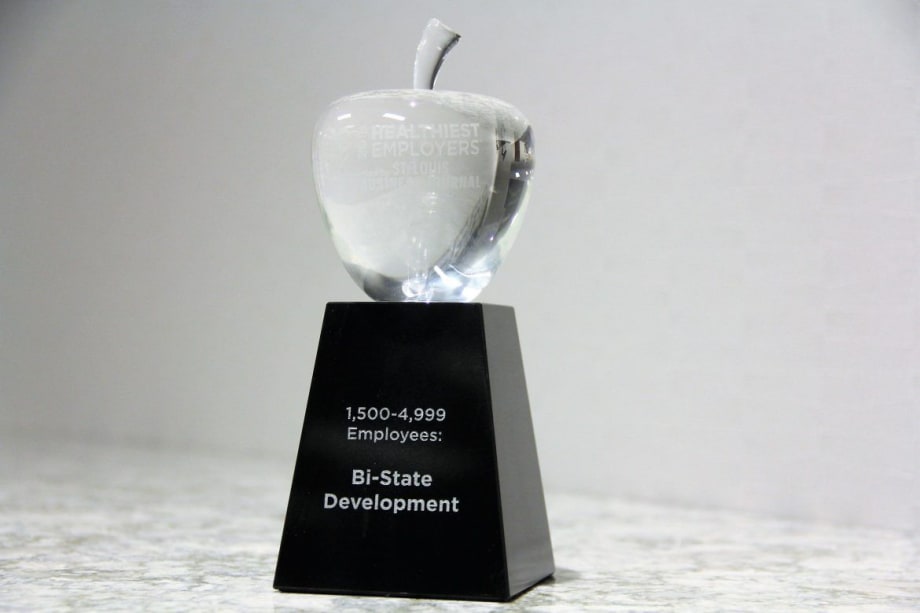
The Healthiest Employer Awards highlight companies and nonprofit organizations that commit to making wellness a priority and proactively shape the health of their employees.
2 min to read

Bi-State Development has been recognized as a winner of the 2018 Healthiest Employer Award by the St. Louis Business Journal. The Healthiest Employer Awards highlight companies and nonprofit organizations that commit to making wellness a priority and proactively shape the health of their employees. Companies are judged based on workforce size, and Bi-State Development took top honors in the big employer category against seven other finalists.
“We are fortunate to have some of the most talented and dedicated employees in the bi-state area, and it is our job at Bi-State Development to ensure they have the resources they need to succeed at all levels,” said John Nations, Bi-State Development president/CEO. “We are committed to advancing wellness throughout the organization, and over the years, we have strengthened our education and programs to ensure our employees can achieve healthy, active lifestyles.”
This is the first year Bi-State Development has won the Healthiest Employer Award although it has been named as a finalist for the award for the last six years. That is due to a comprehensive platform of health and wellness resources, including:
A wellness team, including a full-time Wellness Manager, Wellness Coordinator, Wellness Specialist and an on-site Cigna Wellness and Benefits Representative.
Free fitness centers at each facility, free personal training and health coaching sessions at work, healthy vending options, gym subsidies and supportive healthy weight challenges.
Programming addressing all aspects of well-being including financial, social and emotional support in the form of lunch-and-learn presentations, seminars, and fitness classes. Bi-State Development has partnered with other organizations in the area such as Mental Health America, the YMCA Diabetes Prevention Program, and the Alzheimer’s Association to help strengthen this initiative.
Flu shots, mammograms, prostate-specific antigen testing and other services available to employees, retirees and their families.
More Management
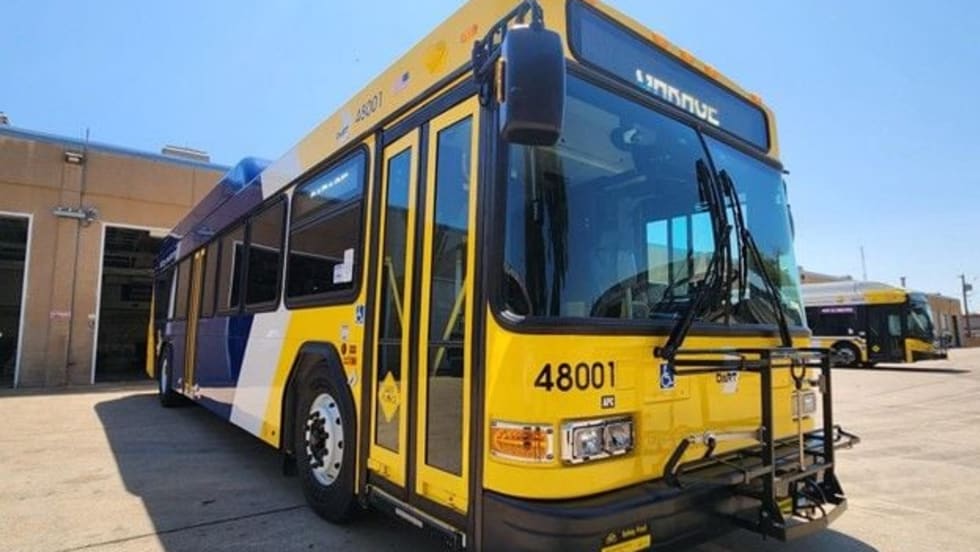
DART Customer Satisfaction Reaches Six-Year High
Overall satisfaction rose to 74.9%, while the agency’s Net Promoter Score reached a record 33.7.
Read More →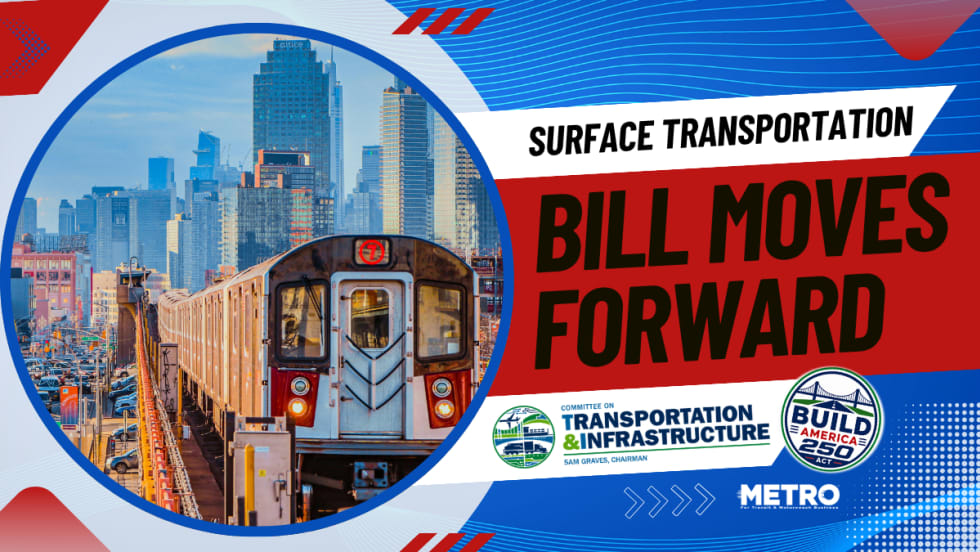
House Surface Transportation Bill Advances as Transit Funding Debate Intensifies
A bipartisan transportation package moving through Congress could redefine how the U.S. funds highways, transit, and motorcoach travel, while igniting new fights over electrification, regulation, and federal priorities.
Read More →
How Data, Strategy, and Community Engagement Are Reshaping Transit
In this edition of METROspectives, strada360 CEO Steve Lassey discusses how transit agencies can better align planning with operations, leverage data to improve decision-making, and build public trust as they prepare for the future of mobility.
Read More →
Amtrak Board Advances Plan to Restructure Organization, Seeks Public Input
The proposal, developed by Amtrak management and approved by the board for further consideration, is intended to modernize the organization's structure while improving accountability, operational efficiency, and customer service.
Read More →
Sponsored•August 2, 2026
Turn Transit Data Into Action
Discover how leading agencies are using connected technology to gain real-time visibility across operations, improve service reliability, and reduce disruptions.
Read More →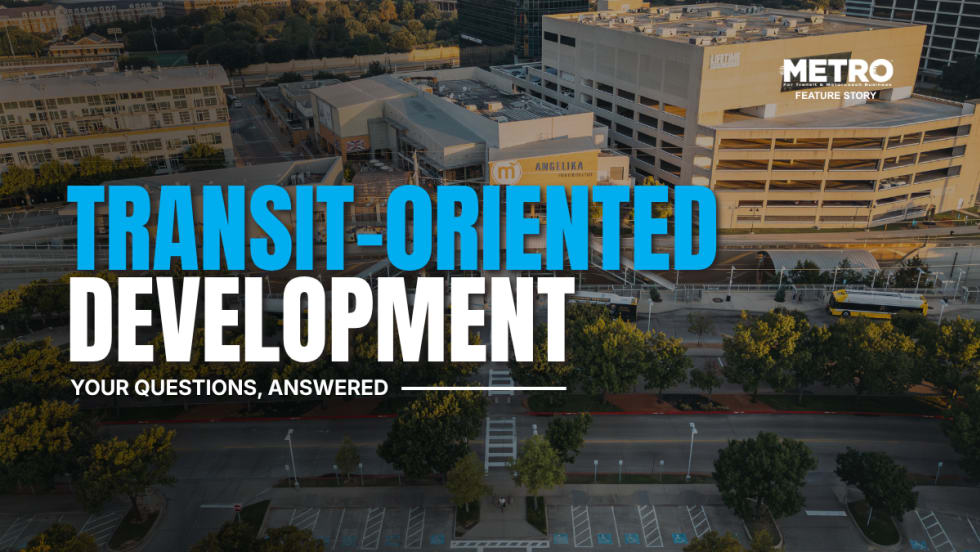
What Transit-Oriented Development Means for the Future of Public Transportation
Once viewed primarily as transit operators, agencies are now leveraging land, partnerships, and long-term planning to boost ridership, expand housing, and strengthen communities.
Read More →
USDOT Announces $22 Million for Transit Innovation, Updates High-Speed Rail Rules
New federal transit funding will support safety, accessibility, and technology projects as updated rail regulations establish new noise standards for high-speed trains.
Read More →
Transportation Construction Coalition Unveils Infrastructure Case Studies Ahead of Federal Funding Deadline
The coalition noted the next surface transportation bill should provide sustained investment in highways and public transit to strengthen freight movement, improve safety, and support economic growth.
Read More →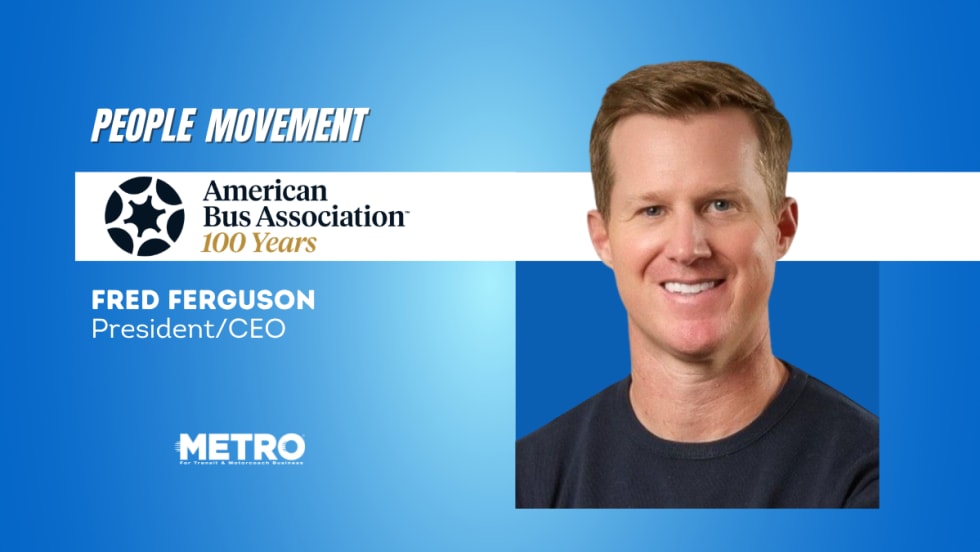
People Movement: American Bus Association Extends Ferguson and More
METRO’s People Movement highlights the latest leadership changes, promotions, and personnel news across the public transit, motorcoach, and people mobility sectors.
Read More →
METRO Magazine Announces 2026 Innovative Solutions Awards Winners
Projects Recognized for Advancing Mobility Through Technology, Accessibility, Workforce Innovation, and Operational Excellence
Read More →