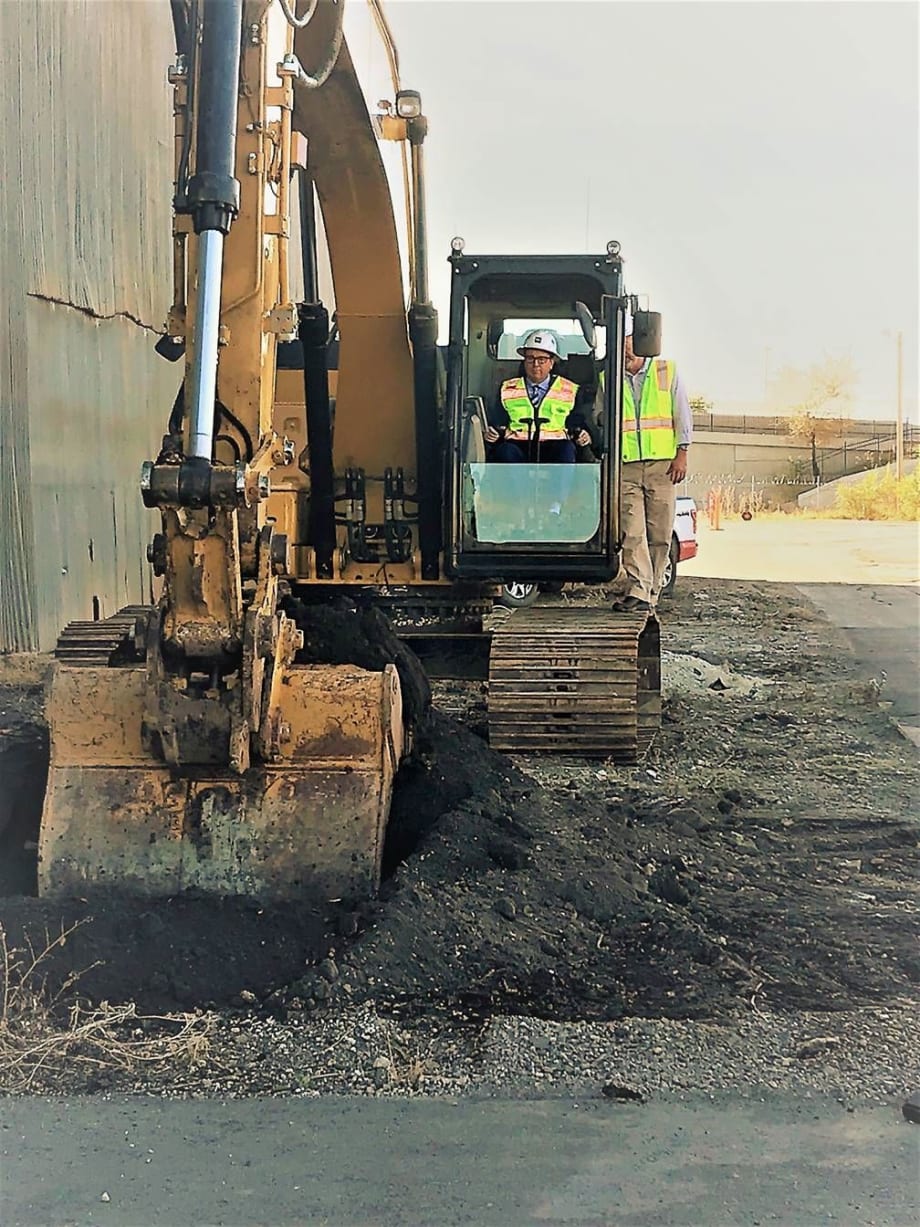
The Utah Transit Authority's new facility is expected to be completed in 2021. Photo: Stantec
2 min to read
The Utah Transit Authority (UTA) recently broke ground on its new bus operations, maintenance and administration facility, known as the Depot District Clean Fuels Technology Center. Rendering: Stantec
The Utah Transit Authority (UTA) recently broke ground on its new bus operations, maintenance and administration facility, known as the Depot District Clean Fuels Technology Center (DDCFT).
The facility will have the capacity to store, operate, maintain and service UTA’s current fleet of compressed natural gas (CNG) and electric vehicles, with room for future expansion. Global architecture and design firm Stantec provided project management, planning, architecture, interior design, lighting design and sustainable design on the project.
The DDCFT will be located on the historic site that was formerly the Denver & Rio Grande Railroad yard and will have the capacity for 135 buses in Phase I, with expansion to 256 buses in Phase II. Designed for easy vehicle entry and exit, the DDCFT will be an all drive-through maintenance facility, meaning that buses won’t be required to back up to enter and exit.
The Utah Transit Authority's new facility is expected to be completed in 2021. Photo: Stantec
The historic “Locomotive” Building, built in 1923, is the oldest and largest railroad building of its kind in Utah. Despite its age, this unique 72,000-square-foot historic building will be adapted and expanded into the 80,000-square-foot bus maintenance facility. A new 25,000-square-foot two-story facility will house all administration and operations functions. UTA will strive to maintain and preserve the structural integrity of the existing structure, repurposing existing materials and structures where possible.
The project is targeting LEED Gold certification and will be constructed to achieve a variety of sustainable goals to reduce environmental impact and optimize performance. Among the sustainable features: installation of a 1.1-megawatt photovoltaic system, heated floors throughout the facility, the reuse of existing materials from the original structure, and the implementation of modern translucent glazing systems to provide natural daylight and reduce glare.
METRO’s People Movement highlights the latest leadership changes, promotions, and personnel news across the public transit, motorcoach, and people mobility sectors.
BART began offering select parking lots to non-BART riders to generate new revenue to help address its FY27 $376M operating budget deficit brought on by remote work.
Drawing on decades of industry experience, Evans-Benson offered insights into the differences between the two, along with tips for better customer engagement and more.
The renewals include continued operations at Fort Lauderdale-Hollywood International Airport in Florida; the PRTC in Virginia; and RTC Washoe in Nevada.
The governor’s proposed auto insurance reforms could save the agency $48 million annually by limiting payouts in crashes where buses are not primarily at fault.
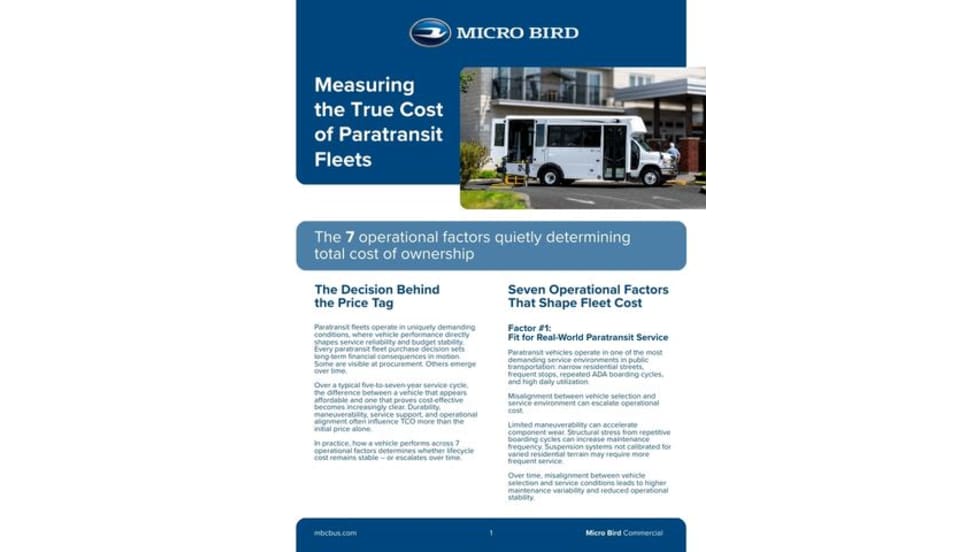
What truly drives the cost of a paratransit fleet? Beyond the purchase price, seven operational factors quietly determine maintenance frequency, downtime, and long-term service reliability. This whitepaper explores how these factors shape lifecycle cost and what agencies should evaluate when selecting paratransit vehicles.
In this conversation, TBC’s Executive Director Ed Redfern, President Corey Aldridge, and Washington Representative Joel Rubin outline the coalition’s key policy priorities, the challenges facing transit agencies, and how industry stakeholders can work together to strengthen the voice of bus transit at the federal level.
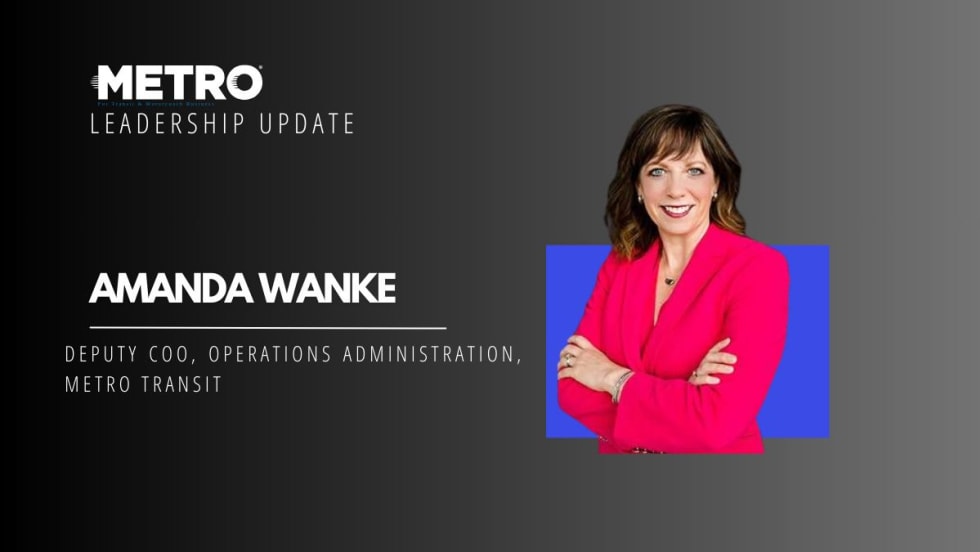
Amanda Wanke, who has worked at DART for 10 years, including the past 2½ years as CEO, will join Metro Transit as deputy chief operating officer, operations administration.