




“I want to be known for implementing public transit from the rider’s perspective.”
Trinity Metro CEO Ballard to retire in April 2019
He began his career as a brakeman and trainman on the Boston and Maine Railroad, and he was a bus operator.
November 30, 2018
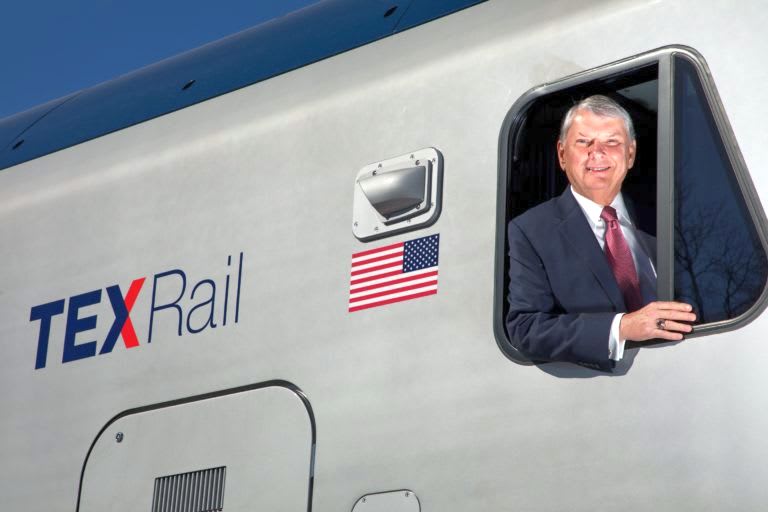
Paul J Ballard, president/CEO of Fort Worth’s Trinity Metro, will retire in April 2019, with completion of his five-year contract. Photo: Trinity Metro
2 min to read
Paul J Ballard, president/CEO of Fort Worth’s Trinity Metro, will retire in April 2019, with completion of his five-year contract. Photo: Trinity Metro
Paul J Ballard, President and CEO of Fort Worth’s Trinity Metro, will retire in April 2019, with completion of his five-year contract, Trinity Metro Board Chairman Scott Mahaffey announced.
“Without Paul, the staff he assembled, and our dedicated Board members, there would be no TEXRail,” Mahaffey said, referring to the 27-mile commuter rail line between downtown Fort Worth and DFW Airport, which is set to begin passenger service on Jan. 5, 2019.
Ballard previously led the successful startup of the Music City Star commuter train in Middle Tennessee. He has served 46 continuous years as a GM, CEO, or president of transit systems in both public and private sectors. He began his career as a brakeman and trainman on the Boston and Maine Railroad, and he was a bus operator and supervisor of public transit before becoming one of the youngest transit systems general managers in the country.
During his years in the private contract management industry, he oversaw management of public systems in 47 U.S. cities and 17 states. He has provided management and consulting services internationally. Ballard has held numerous leadership positions in the American Public Transportation Association, and he has participated in activities of the National Transportation Research Board, most recently evaluating new transportation research projects seeking federal funding.
“TEXRail has undoubtedly been the biggest challenge of my career,” said Ballard. “It’s been five years of one really tough issue after another, several of them cliffhangers.”
Among the most daunting tasks of “working on the railroad” were funding issues, negotiating agreements among several railroads, concerns from local governments, construction delays, plans for Positive Train Control, compliance with the Federal Railroad Administration and the Federal Transit Administration, and procurement of equipment and property.
As TEXRail gears up for its New Year’s Eve celebratory event, Ballard said, “This is the perfect time for me to step back and look toward doing a little consulting and traveling the rails around the world.”
Ballard personally rides buses and trains whenever possible, and he loves to share the experience with visitors from out of town. “Most of all,” he said, “I want to be known for implementing public transit from the rider’s perspective.”
More Management
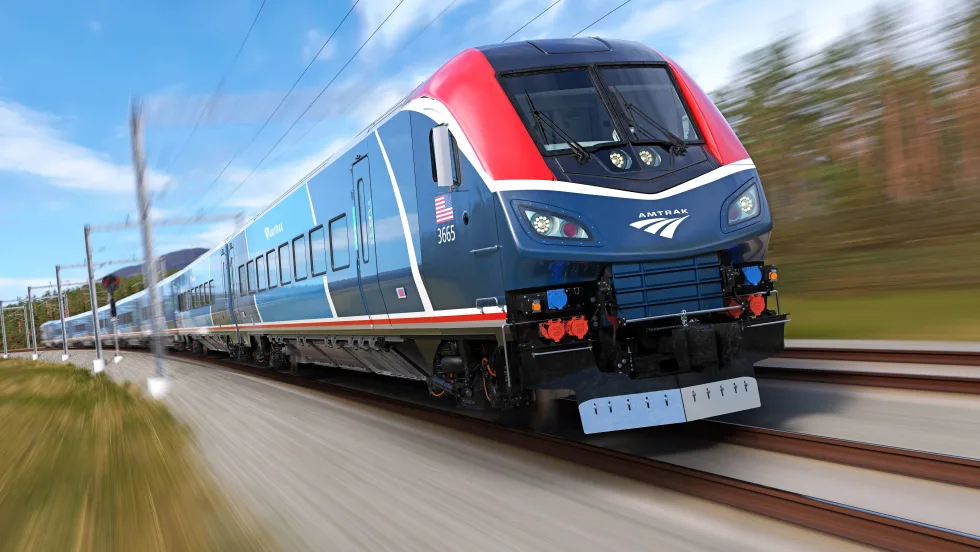
Amtrak Expands Airo Fleet with Eight Higher-Capacity Trainsets
The new 10-car trains, expected to enter service in 2031, will provide about 34% more seating capacity to meet growing demand on the Northeast Corridor.
Read More →
APTA Urges FTA to Withdraw Proposed Capital Investment Grants Guidance
The association warns that proposed changes could delay transit projects, reduce federal funding, and create new hurdles for 47 projects currently in the CIG pipeline.
Read More →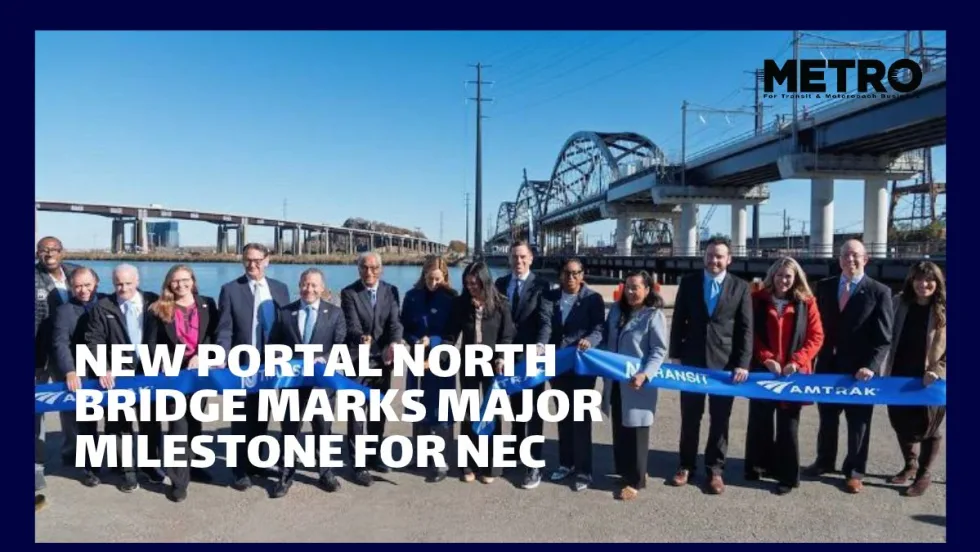
Amtrak, NJ TRANSIT Launch Full Service on New Portal North Bridge
The completion of the two-track bridge over the Hackensack River eliminates a longstanding source of delays for NJ TRANSIT and Amtrak customers. It marks a major milestone for the Gateway Program.
Read More →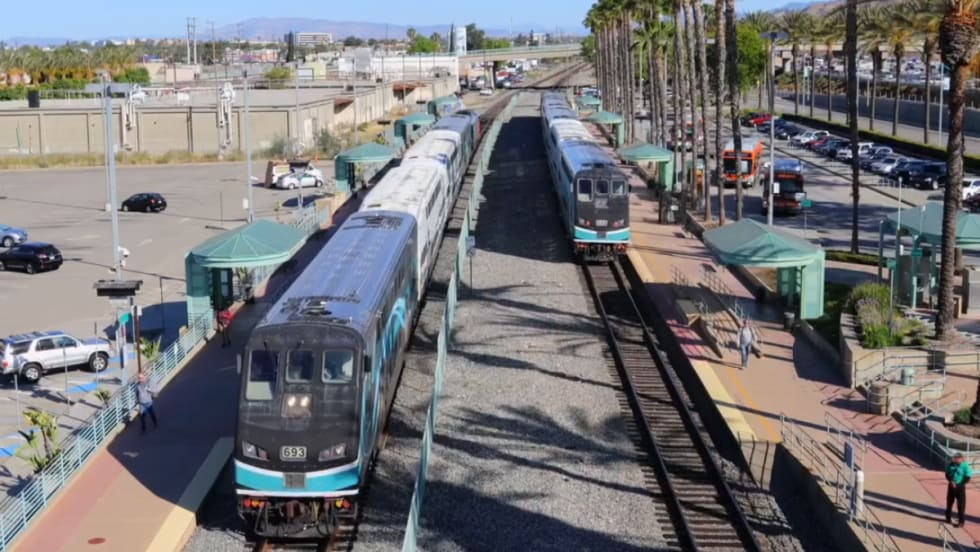
Southern California’s Metrolink Approves $508.8M Budget, Avoids Service Cuts
A $20 million state allocation allows the regional rail agency to maintain existing weekday and weekend service through fiscal year 2028, although longer-term funding challenges remain.
Read More →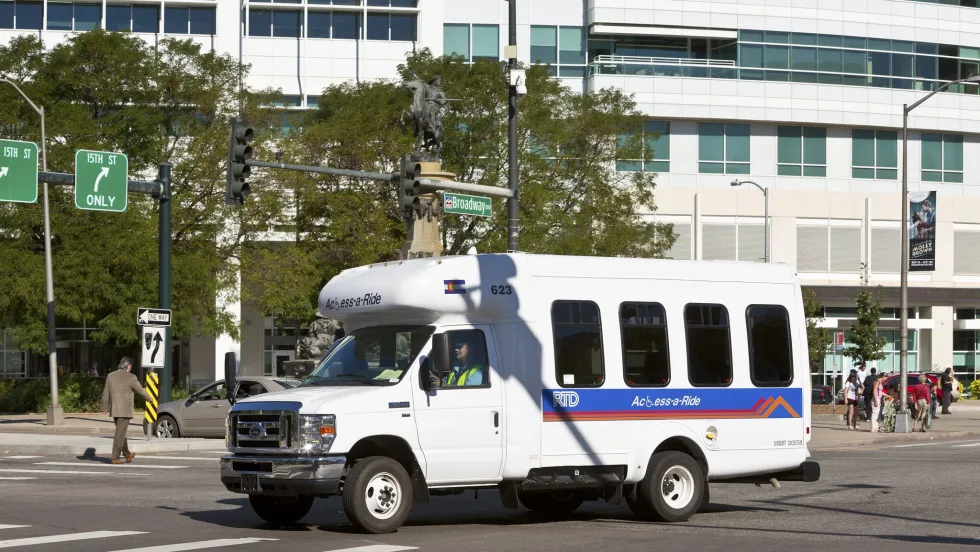
Denver RTD Committee to Review Paratransit Services, Improve Accessibility
The committee will oversee an independent study of paratransit operations, gather customer feedback, and recommend improvements to service reliability, accessibility, and accountability.
Read More →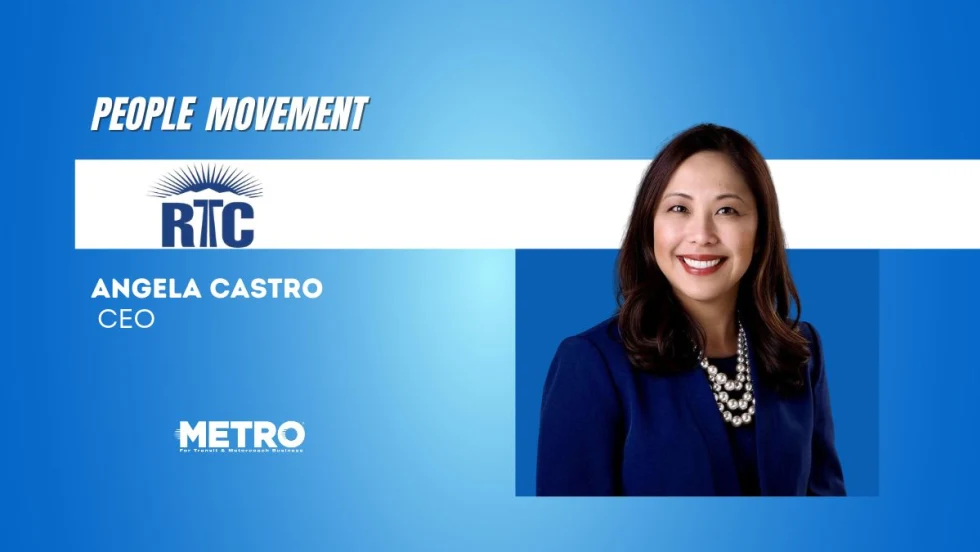
Castro to Lead RTC of Southern Nevada and More in People Movement
In this edition, we also cover recent appointments and announcements at the STV, MCI, and more, showcasing the individuals helping to shape the future of transportation.
Read More →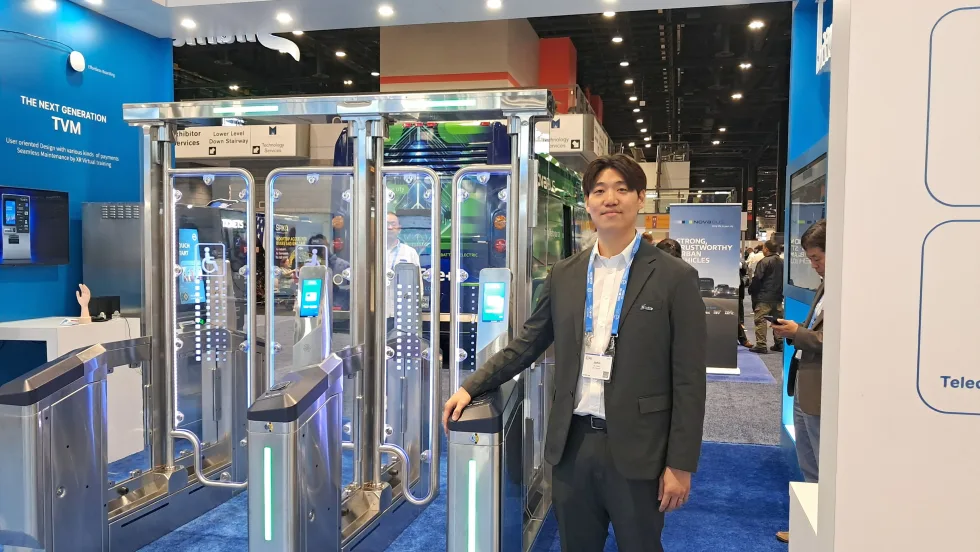
STraffic Expands North American Presence with Fare Collection Technology
John Moon, Associate Director, Product Strategy at STraffic, discusses the company's growth in North America, its efforts to reduce fare evasion, and more.
Read More →
Study: Denver RTD Generates $2.1 Billion in Annual Economic Activity
An economic impact study finds the agency supports approximately 17,500 jobs, delivers $1.6 billion in annual community and mobility benefits, and generates $2.42 in economic value for every dollar invested.
Read More →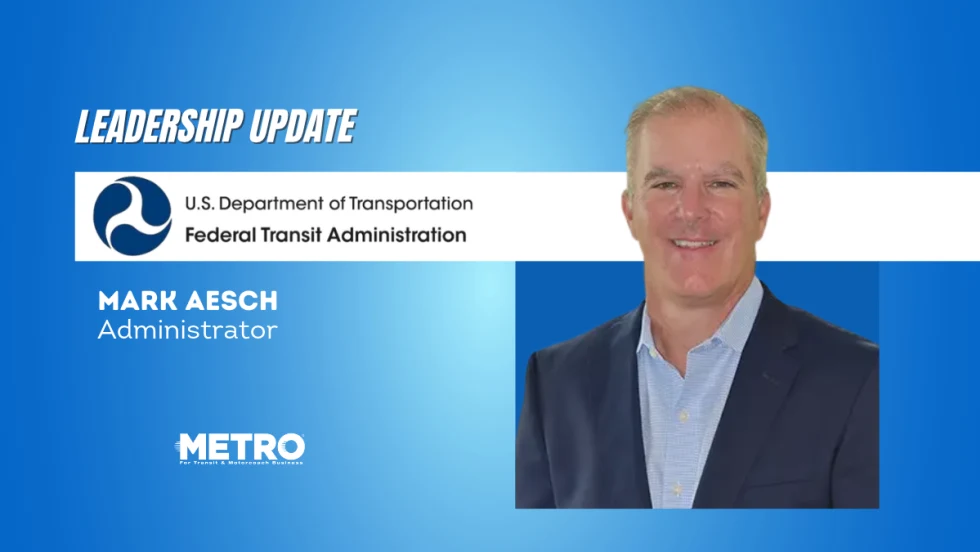
Mark Aesch Nominated to Lead Federal Transit Administration
The former Rochester transit chief and TransPro founder, who has also contributed to METRO Magazine, brings decades of industry experience and a focus on performance, accountability, and financial sustainability to the nomination.
Read More →
Best and Worst U.S. Cities for Public Transportation in 2026
A new analysis of 50 major U.S. urban areas ranks public transit systems based on accessibility, affordability, usefulness, and safety, highlighting where transit performs best and where challenges remain.
Read More →