




RELATED: Mobility-Enhancing TNC Partnerships are on the Rise
Report finds ride-hailing services impacting public transit ridership
After TNCs enter a market, heavy rail ridership can be expected to decrease by 1.3% and bus ridership by 1.7%.
January 24, 2019
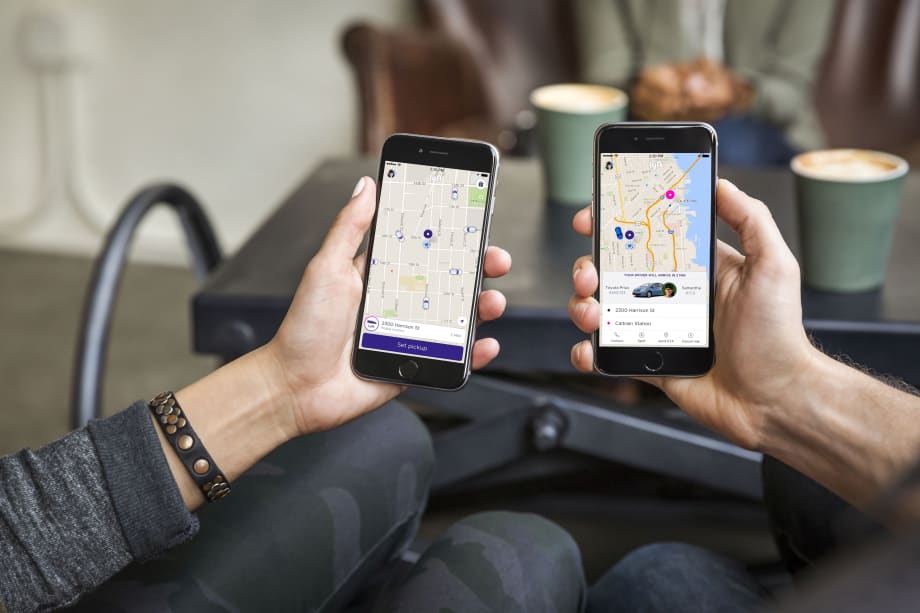
Ride-hailing effects are so substantial that, if the current trend continues, bus service in cities studied by UK researchers could be hit nearly 13% over the eight years.
Lyft
1 min to read

LEXINGTON, Ky. — A team from the University of Kentucky (UK) has found the introduction of ride-hailing services like Uber and Lyft have had a drastic impact on public transit ridership across the U.S., Business Insider reports.
The UK study found that for each year after Transportation Network Companies (TNCs) enter a market, heavy rail ridership can be expected to decrease by 1.3% and bus ridership can be expected to decrease by 1.7%.
Using a random-effects model, the team set out to look at ride-hail and transit trends in 22 of the nation’s largest cities. The study accounted for 10 different variables, including population, density, proportional car ownership, gas prices, and transit miles in each metro area.
Ride-hailing effects are so substantial that, if the current trend continues, bus service in cities studied by UK researchers could be hit nearly 13% over the eight years. For the full story, click here.
To view the full report, click here.
More New Mobility
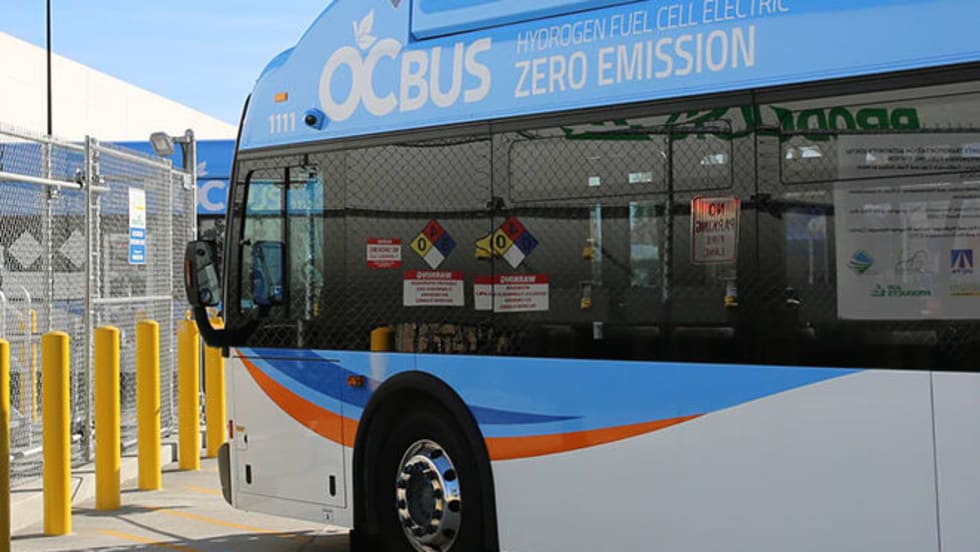
Biz Briefs: OCTA Taps Clean Energy for Hydrogen Station, Stadler to Supply Via Rail Vehicles, and More
From manufacturers and suppliers to transit agencies and motorcoach operators, these updates offer a snapshot of the projects, partnerships and business moves driving the industry forward.
Read More →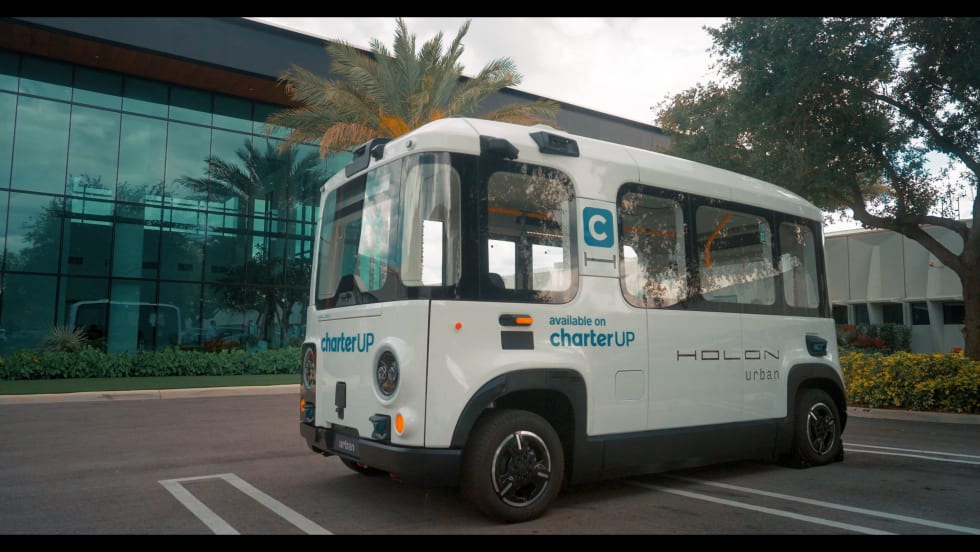
CharterUP Expands Into New Mobility and Autonomous Transportation
Vice President of New Mobility Stephen Joos discusses how CharterUP is leveraging its nationwide transportation network, technology platform, and autonomous vehicle partnerships to expand into workforce mobility, campus shuttles, and transit solutions.
Read More →
METRO Magazine Announces 2026 Innovative Solutions Awards Winners
Projects Recognized for Advancing Mobility Through Technology, Accessibility, Workforce Innovation, and Operational Excellence
Read More →
Biz Briefs: STV teams with Amtrak, Motorcoach Operators Boost Fleet and Land Contracts, and More
From manufacturers and suppliers to transit agencies and motorcoach operators, these updates offer a snapshot of the projects, partnerships and business moves driving the industry forward.
Read More →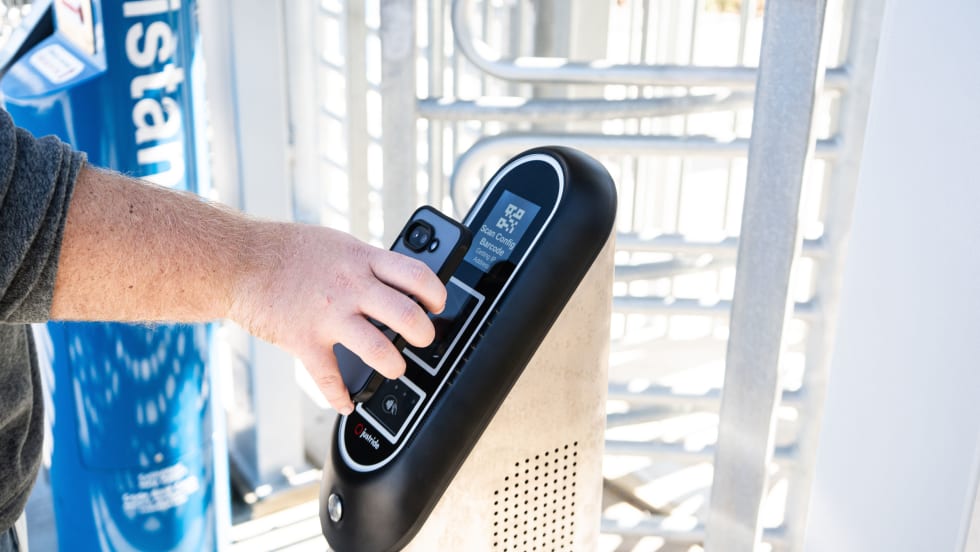
Biz Briefs: Masabi Teams with St. Louis Metro and More
In METRO's latest installment, we take a look at recent news from Transdev, Hitachi, and more partnerships making headlines across the transportation sector.
Read More →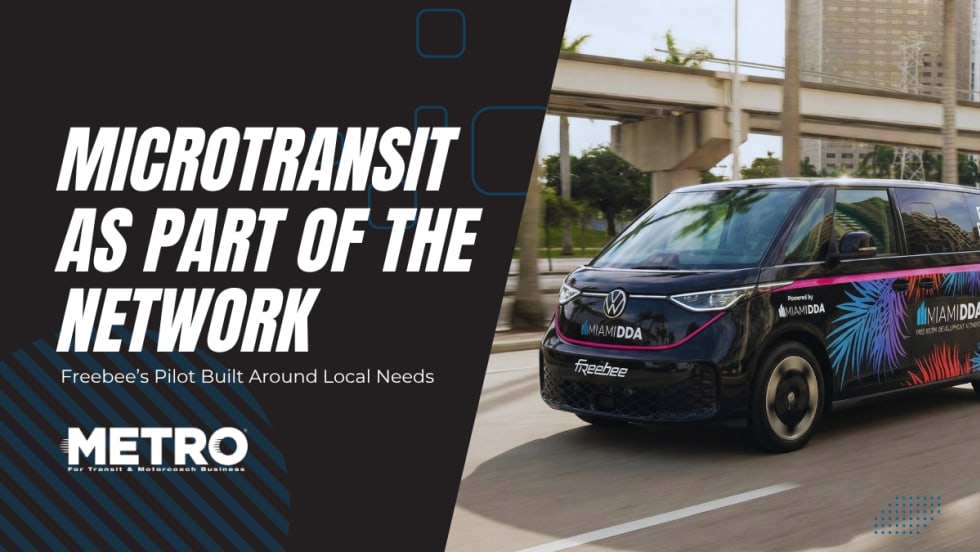
Microtransit's Next Test: Becoming Part of the Network
Freebee shows how electric microtransit is moving beyond pilots to fill network gaps, connect riders to transit, and prove lasting value.
Read More →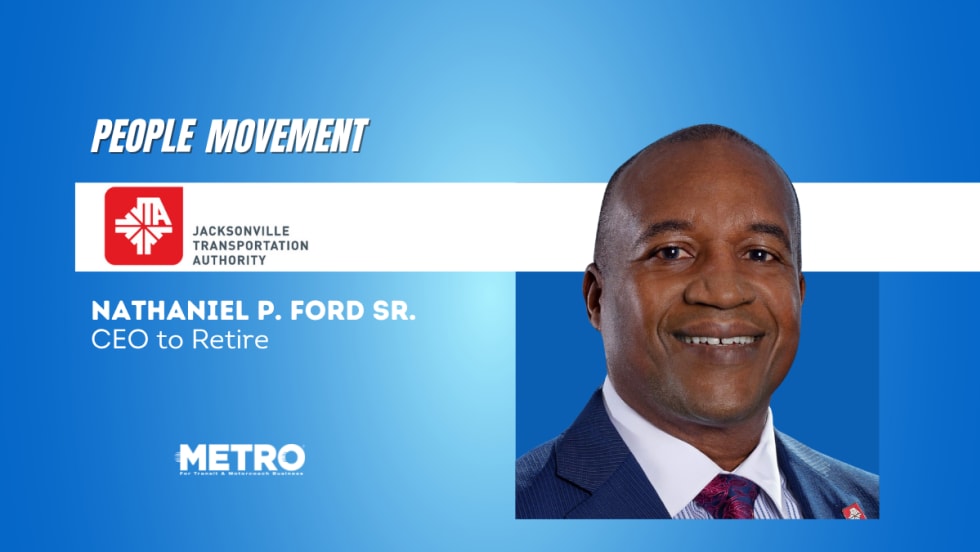
Ford to Leave JTA After More Than 10 Years as CEO
He plans to continue his work advancing innovative mobility solutions to improve the quality of life in communities across the nation. He did not announce specific plans.
Read More →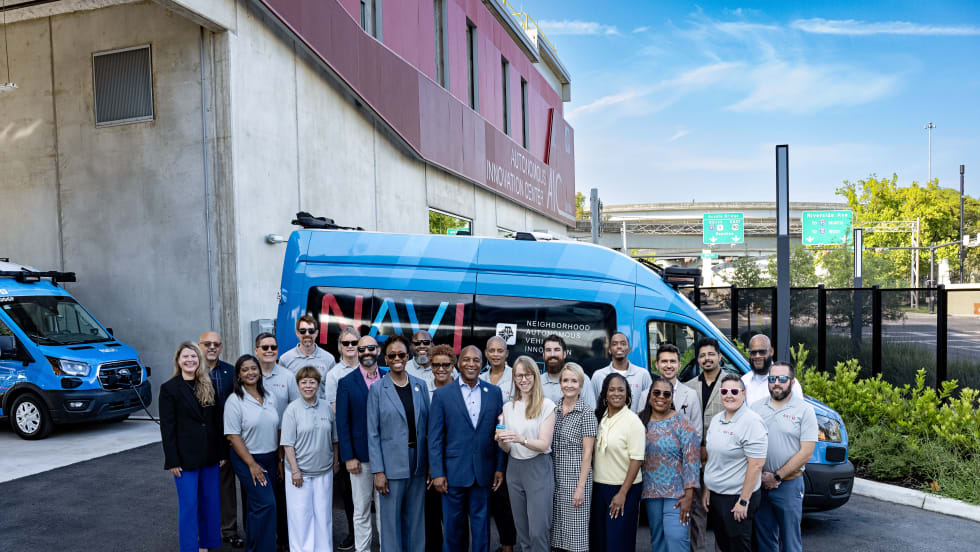
Florida's JTA Marks One Year NAVI Anniversary
During its first year of operation, NAVI has transported over 15,200 passengers and traveled more than 61,000 miles in autonomous mode without a safety incident caused by the autonomous driving system.
Read More →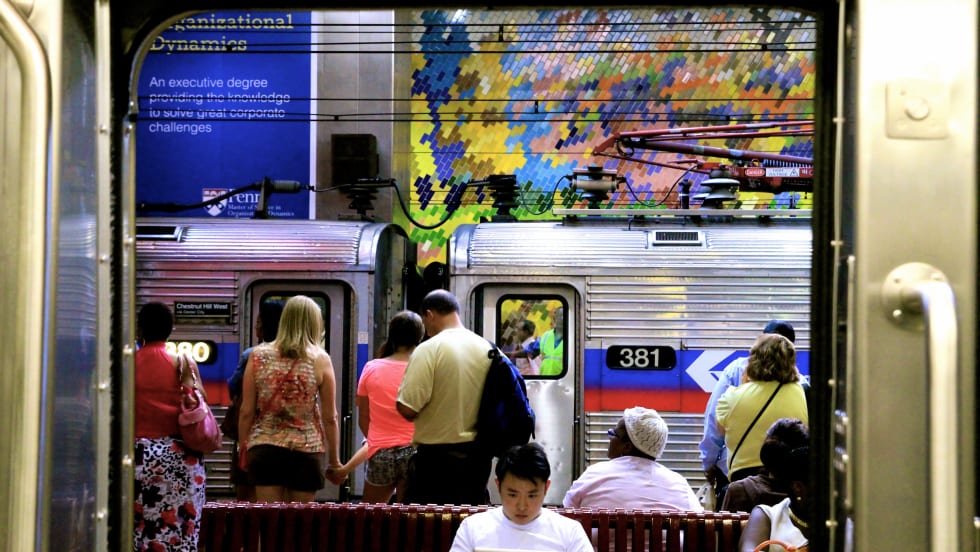
SEPTA Board Approves FY2027 Budget Amid Funding Challenges
The spending plan represents an increase of just 1.9% over the current year and includes investments in new buses, additional full-length fare gates, and other customer enhancements.
Read More →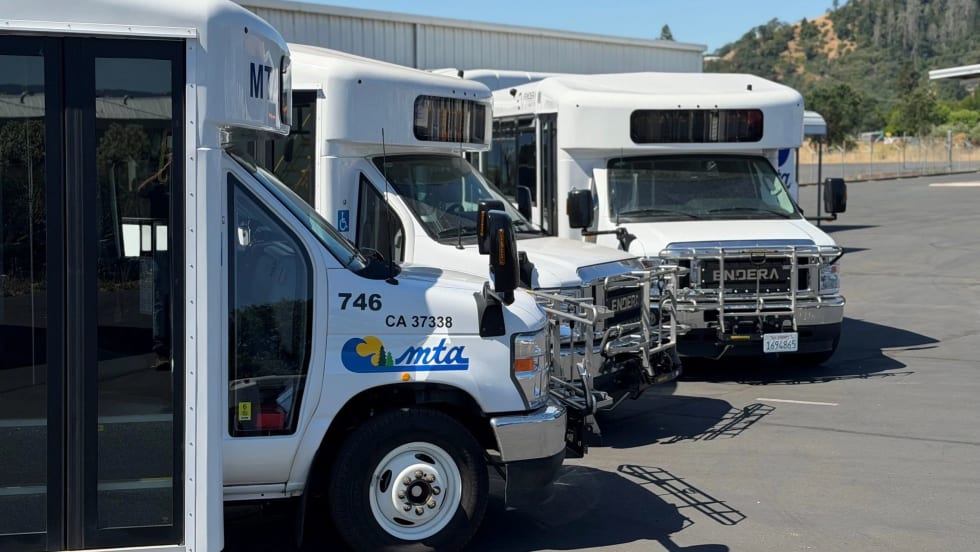
Biz Briefs: Endera Delivers to California, Safety Vision Teams with San Antonio's VIA, and More
From manufacturers and suppliers to transit agencies and motorcoach operators, these updates offer a snapshot of the projects, partnerships and business moves driving the industry forward.
Read More →