



Related: Rally Bus to offer travel for Pope Francis' Philadelphia visit
Rally Bus taps technology for crowd-powered event travel
Rally Bus doesn’t own any vehicles; it’s a technology-and-logistics company that connects people with charter buses, enabling it to partner with charter companies in any part of the country as long as people show interest in the area.
by Eric Gandarilla
September 1, 2015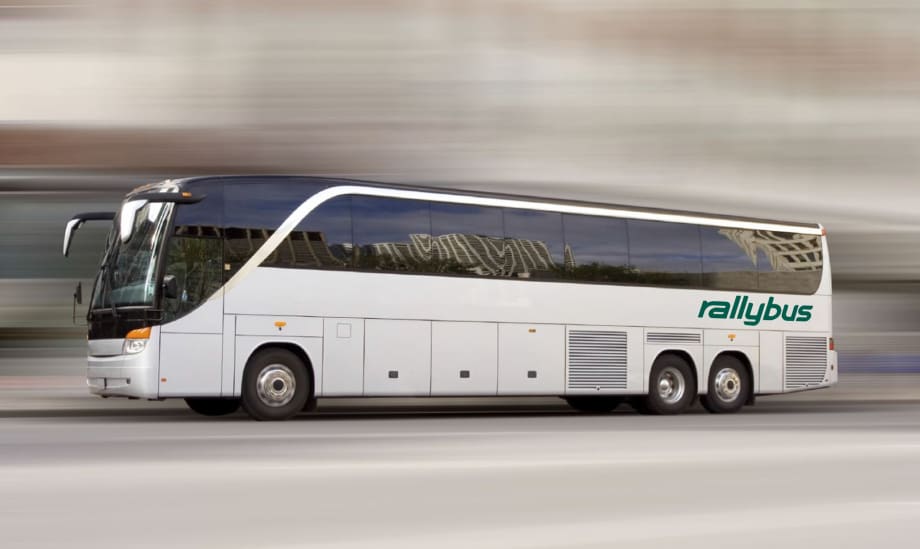
4 min to read
Rally Bus aims to modernize the charter bus industry by partnering with operations all across the nation to give them access to technology they might have not had before.
“As much as I love the charter bus industry, they are behind the curve when it comes to technological options,” said Numaan Akram, CEO/co-founder of New York City-based Rally Bus. “While they’re good at operating and taking care of their drivers, we’re good at technologies that bring them more business.
In lieu of calling or filling out forms, which charter buses traditionally use, Rally Bus allows people to book a trip on a charter bus directly through their website or smartphone app. The app allows users to not only book their trips, but also track where their driver is.
This helps users know if a driver will be late or on time to the rally point — the pre-determined bus stop — and also see where their driver is parked when the event is over.
Every step of the booking process is done digitally, there’s no physical ticket, users simply use their booking number or phone to board the bus. In the event they forget their booking number or their phone doesn’t work, users can simply tell the bus driver their name.
The first step for customers when booking a trip through Rally Bus is finding where they want to go. Rally Bus has a long list of events that range from sporting events to vineyard tours. However, if they can’t find the event they are looking for users can also create their own event and bus route.
Every event, whether it’s one found on Rally Bus’ website, or one created, needs at least 25 people for it to become a “con-firmed” trip. If the 25-person minimum isn’t met, the trip will be canceled and no one will be charged.
Akram called this 25-person minimum the “tipping point,” which also happens to be the core of their business model.
At 25 people, Rally Bus has broken even on the trip, they can contact the charter company they partnered with for that particular trip and confirm it. They haven’t made any profit at this point, but they haven’t lost anything either. Since Rally Bus only confirms a trip once enough people show interest in it by booking, there’s no danger of losing money.
Afterward, every seat purchased after the 25 minimum becomes profit.
Ticket pricing changes depending on the distance of the trip, but tends to stay within the $40 to $60 range for most trips. Booking over a certain amount of people will give you a group discount and ordering early is generally cheaper, as ticket prices rise the closer it gets to the event.
The concept for Rally Bus sprouted back in 2010 when comedians Jon Stewart and Stephen Colbert held the “Rally to Restore Sanity and/or Fear” event in Washington, D.C. The rally was an idea Akram could get behind, he said.
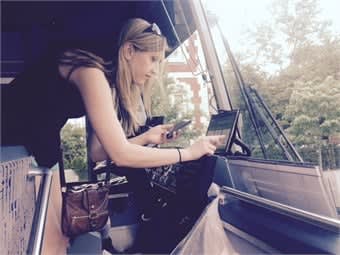
“I really just wanted to help people get to that rally,” Akram said. “I created this app that let people sign up, using this tipping point model.”
Akram used the same model then as he does now, just on a smaller scale and with a slightly different name, DC Rally Bus. In 2013, the service was launched as Rally Bus and transitioned from a D.C.-exclusive company to servicing cities all around the country.
Rally Bus is able to do this because of the nature of their company. It doesn’t own any buses; it’s a technology-and-logistics company that connects people with charter buses. So, it can partner up with charter companies in any part of the country as long as people show interest in the area.
And, their service seems to be working; Rally Bus has been a profitable company for a little over a year-and-a-half and received their first round of investments this year.
While Akram hopes to eventually expand into the international market, his current goals are to further improve his company and have more people learn about Rally Bus.
He believes that buses are the most efficient way for people to get to and from events, and if more people learn about the kind of service his company provides, they’ll opt for it whenever they need to attend an event.
Akram added that every bus chartered takes about 30 cars off the road, and if Rally Bus grows enough, they might one day help reduce traffic, drunk driving, and possibly have a real impact on our carbon footprint.
Topics:Motorcoach
Subscribe to Our Newsletter
More Motorcoach

METRO Opens Submissions for 2026 Motorcoach Awards
Nominations are now being accepted for METRO Magazine’s Operator of the Year and Innovative Operator of the Year awards.
Read More →
Biz Briefs: Alstom Lands Canadian Contract, LYT to Supply California TSP, and More
In METRO's latest installment, we take a look at recent news from Complete Coach Works, Beep, FlixBus, and more partnerships making headlines across the transportation sector.
Read More →
Biz Briefs: RIPTA Unveils New Frontrunners, Clevland RTA Adds New Siemens, and More
In METRO's latest installment, we take a look at recent news from Siemens, Prevost, Dodge, and more partnerships making headlines across the transportation sector.
Read More →
People Movement: Holly Arnold Joins Transdev and More
In this edition, we also cover recent appointments and announcements at Pace, CamTran, MCI, and more, showcasing the individuals helping to shape the future of transportation.
Read More →
ABA Report: Motorcoach Travel Generates $161.6B Economic Impact
The 2025 analysis finds motorcoach travel supported nearly 900,000 jobs and generated $28 billion in federal, state, and local taxes.
Read More →
CharterUP’s Armir Harris on Technology, AI, and the Future of Group Mobility
In a recent episode of METROspectives, CharterUP Founder/CEO Armir Harris discussed the company’s evolution from an online charter bus marketplace into a technology platform supporting public- and private-sector mobility and much more.
Read More →
People Movement: ABC Names John Walsh as Chief Commercial Officer
In this edition, METRO also covers recent appointments and announcements at the DART, STV, and more, showcasing the individuals helping to shape the future of transportation.
Read More →
From Surviving to Thriving: Building Stronger Transportation Organizations
Bus Business Consultants founder Brian Dickson shares lessons on leadership, organizational health, and creating options for long-term success in a changing transportation industry.
Read More →
Biz Briefs: Luminator Marks Milestone and More
From manufacturers and suppliers to transit agencies and motorcoach operators, these updates offer a snapshot of the projects, partnerships and business moves driving the industry forward.
Read More →
ABAF Study Reveals Growing Insurance Crisis for Motorcoach Operators
Preliminary findings show 98% of operators faced premium increases over the past five years, while shrinking insurer participation is putting added pressure on businesses and customers.
Read More →