




Related: Economic Shifts Boost Intercity Bus Industry, While 'Disruptive' Tech Takes Hold
Demand on the rise for intercity bus travel, study finds
Economic growth and tech transformations have paved the way for luxury bus transportation.
January 29, 2018

Tech-oriented bus lines and startups are using crowdsourcing and dynamic scheduling to attract new markets. Photo via GoGoCharters/Facebook
4 min to read

Tech-oriented bus lines and startups are using crowdsourcing and dynamic scheduling to attract new markets. Photo via GoGoCharters/Facebook
After being financially hurt for several years by cheap fuel prices and a soft economy, intercity bus lines rolled into the new year with renewed momentum, find researchers at DePaul University’s Chaddick Institute for Metropolitan Development.
“Economic growth paved the way for new services, while luxury options and tech-oriented transformations push the sector in exciting new directions,” said Joseph Schwieterman, director of the institute and lead author of the study.
Brian Antolin, industry expert and a research affiliate at the institute, is co-author of the study. The researchers outlined trends including:
Business-class and luxury bus services are growing to destinations that have not yet had a taste of these offerings, particularly in Florida, New England, the Northeast and Texas. These services will increasingly offer reserved seating, comparable to that on most airlines.
Tech-oriented bus lines and startups are using crowdsourcing and dynamic scheduling to attract new markets. Services Rally Bus and Skedaddle operate only when enough travelers express a willingness to pay for a set route and time.
Guaranteed seating and e-tickets are becoming universal on all major bus lines, with Greyhound and Peter Pan rolling out e-tickets last year.
There is a strong push by public agencies to coordinate intercity bus and rail service. Bus lines are also making greater use of public transit terminals, resulting in the closure of many traditional intercity bus stations.
Established bus companies hustle to attract customers
More than two dozen new services became available during 2017. Several of the standby brands including BoltBus, Go Buses and Megabus launched service to several new cities, the study authors found. Greyhound Lines introduced extensive new schedules in the Northeast following the termination of its longtime agreement to coordinate schedules with Peter Pan Bus Lines. Premium services, including business-class offerings, are being rolled out in a particularly intensive way by carriers seeking to capitalize on the airport “hassle factor” and a desire to avoid driving amid worsening congestion. Five established carriers rolled out premium services, creating new travel options in many parts of the country for those who would otherwise fly, drive, or take the train.
“America’s scheduled bus lines, after hitting a rough patch, are again on the move and adopting some surprising strategies to attract new customers,” noted Schwieterman. “Competition is as brisk as ever.”
Luxury ‘private sleeping cabins’ come to the bus market
The most heavily publicized new service of the year, Cabin, launched in California in July 2017, with service from Santa Monica and San Francisco. Originally piloted in 2016 as “Sleepbus,” Cabin describes itself as a moving hotel, having “private sleeping cabins” that allow passengers to lie flat while also having onboard lounges with conventional seating. Cabin’s attendants work to keep passengers comfortable while also positioning it as a lifestyle and hospitality brand.
“Cabin represents a bold experiment away from the standard seating configuration used by other premium providers,” noted co-author Antolin. “By positioning itself as a hospitality brand, it charts a new course for attracting more affluent clientele,” he added.
Tech enters the intercity bus market
Technological innovation, meanwhile, is pushing scheduled intercity bus travel in important new directions, explained Schwieterman. Ticket aggregator sites like Wanderu are becoming platforms of innovation, making it easier for customers to book motor coach travel. These sites are also making new pop-up services possible, such as that offered by OurBus, one of the fastest-growing startups of the year. Crowdsourced services and innovations involving transportation network companies, such as Lyft and Uber, are emerging as change agents.
“As more consumers turn to apps to make travel decisions, intercity bus operators are learning how to play the game, which means informing potential customers about ways to avoid the congestion of airports and the tedium of driving,” said Schwieterman.
Trains and buses on one ticket Small communities are seeing similar changes, researchers found. Enhanced coordination between Amtrak and motor coach lines indicates that both types of transportation providers realize untapped potential in bus-train transfers as part of the Amtrak Thruway bus program. Thruway service allows passengers to buy tickets involving bus-rail connections with a single click, said Antolin.
“States are ramping up their efforts to create feeder bus service that support passenger-train routes,” he noted. “Integrating bus and train service is an effective way for governments to stretch budgets in a time of great fiscal stress.”
The full report, “Driving Demand: 2018 Outlook for the Intercity Bus Industry in the United States,” is available for download here.
More Motorcoach

From Surviving to Thriving: Building Stronger Transportation Organizations
Bus Business Consultants founder Brian Dickson shares lessons on leadership, organizational health, and creating options for long-term success in a changing transportation industry.
Read More →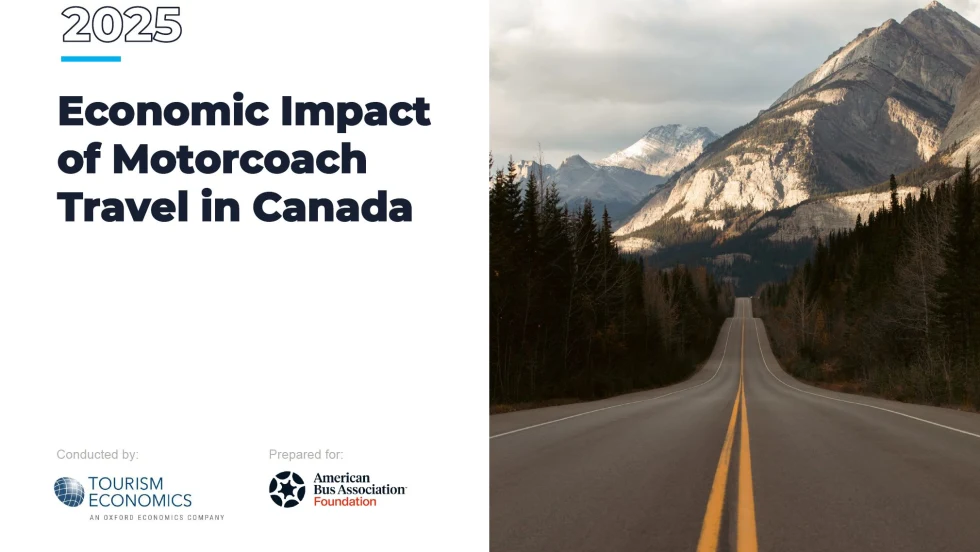
Report: Canadian Motorcoach Industry Generates $4.4B in Economic Impact
The 2025 Motorcoach Economic Impact Report finds motorcoach travel supported nearly 25,000 jobs and generated $980 million in federal, provincial, and local taxes.
Read More →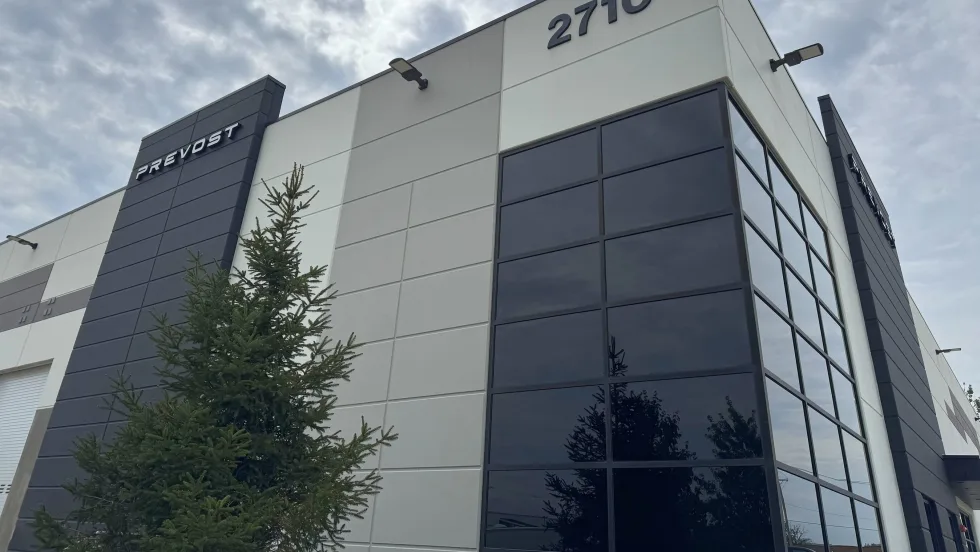
Prevost Opens Expanded Chicago-Area Service Center
The $8.1 million Elk Grove Village investment nearly triples facility space while adding service capacity, parts storage, and customer amenities.
Read More →
People Movement: Dan Dipert Coaches Adds Third-Generation Leader, Keolis Names New Valley Metro VP/GM, and More
In this edition, we also cover recent appointments and announcements at the Wabtec, SilverRide, HNTB, and more, showcasing the individuals helping to shape the future of transportation.
Read More →
METRO Opens Submissions for 2026 Motorcoach Awards
Nominations are now being accepted for METRO Magazine’s Operator of the Year and Innovative Operator of the Year awards.
Read More →
Biz Briefs: Alstom Lands Canadian Contract, LYT to Supply California TSP, and More
In METRO's latest installment, we take a look at recent news from Complete Coach Works, Beep, FlixBus, and more partnerships making headlines across the transportation sector.
Read More →
Biz Briefs: RIPTA Unveils New Frontrunners, Clevland RTA Adds New Siemens, and More
In METRO's latest installment, we take a look at recent news from Siemens, Prevost, Dodge, and more partnerships making headlines across the transportation sector.
Read More →
People Movement: Holly Arnold Joins Transdev and More
In this edition, we also cover recent appointments and announcements at Pace, CamTran, MCI, and more, showcasing the individuals helping to shape the future of transportation.
Read More →
ABA Report: Motorcoach Travel Generates $161.6B Economic Impact
The 2025 analysis finds motorcoach travel supported nearly 900,000 jobs and generated $28 billion in federal, state, and local taxes.
Read More →
CharterUP’s Armir Harris on Technology, AI, and the Future of Group Mobility
In a recent episode of METROspectives, CharterUP Founder/CEO Armir Harris discussed the company’s evolution from an online charter bus marketplace into a technology platform supporting public- and private-sector mobility and much more.
Read More →