



ASCE: Nation's infrastructure receives a "D" grade
U.S. surface transportation systems have declined over the past four years, with transit dropping from D+ to D, and roads dropping from a D to a nearly failing D-.

The American Society of Civil Engineers (ASCE) released its 2009 Report Card for America’s Infrastructure — assigning a cumulative grade of D to the nation’s infrastructure and noting a five-year investment need of $2.2 trillion from all levels of government and the private sector.
Since ASCE’s last assessment in 2005, there has been little change in the condition of the nation’s roads, bridges, drinking water systems and other public works, and the cost of improvement has increased by more than half a trillion dollars.
“Crumbling infrastructure has a direct impact on our personal and economic health, and the nation’s infrastructure crisis is endangering our future prosperity,” said ASCE president D. Wayne Klotz, PE, F.ASCE. “Our leaders are looking for solutions to the nation’s current economic crisis. Not only could investment in these critical foundations have a positive impact, but if done responsibly, it would also provide tangible benefits to the American people, such as reduced traffic congestion, improved air quality, clean and abundant water supplies, and protection against natural hazards.”
The Report Card also presents five key solutions for raising the nation’s infrastructure GPA. These include:
Increasing federal leadership in infrastructure;
Promoting sustainability and resilience;
Developing federal, state and regional infrastructure plans;
Addressing life-cycle costs and ongoing maintenance; and
Increasing and improving infrastructure investment from all stakeholders.
U.S. surface transportation and aviation systems have declined over the past four years, with aviation and transit dropping from D+ to D, and roads dropping from a D to a nearly failing D-.
While transit use increased 25 percent from 1995 to 2005, nearly half of American households still do not have access to bus or rail transit. According to the Federal Transit Administration, the cost to improve to good conditions is more than twice the current annual federal capital outlay of $9.8 billion.
Additionally, rail recieved a grade of C-, showing no tangible improvement. Rail is facing a significant need for investment — more than $200 billion through 2035. Travel in a freight train is three times as fuel efficient as a truck, and travel on passenger rail uses 20 percent less energy per mile than vehicular travel.
The 2009 Report Card was developed by an advisory council of 28 civil engineers representing each of the infrastructure categories, as well as a broad spectrum of civil engineering disciplines. Each category was evaluated on the basis of capacity, condition, funding, future need, operation and maintenance, public safety and resilience.
A detailed report, which accompanies the grades released today, will be released on March 25, 2009. For more information, including solutions for solving America’s infrastructure problems and ASCE’s Principles for Economic Stimulus Investment, visit www.asce.org/reportcard.
More Paratransit

Reinventing Fleet Maintenance with Real-time Visibility and AI
Transit leaders need to know what needs fixing, where to look, who is responsible, when work is completed, and what it costs without having to chase information across disconnected systems.
Read More →
SamTrans Sets Priorities for Potential Connect Bay Area Revenue
The board-approved framework allocates future funding to maintaining service, rider improvements, equity initiatives, and infrastructure repairs.
Read More →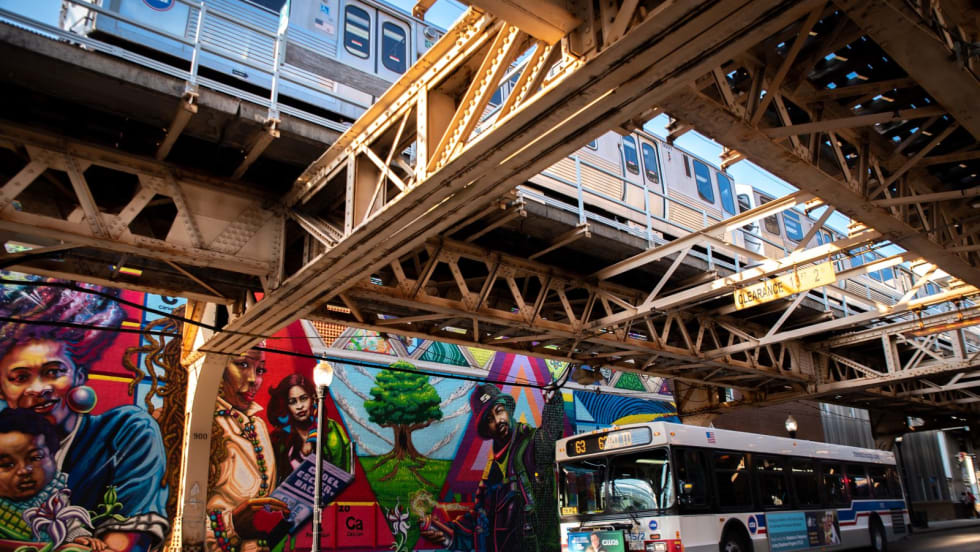
Chicago's NITA Act Moves Into Next Phase as Service Improvements Begin
Rider-focused improvements will begin rolling out across the system immediately as CTA, Metra, and Pace increase service this summer in the six-county region.
Read More →
A True Low-Floor Minibus Design Delivers Better Accessibility and Efficiency for Everyone
As transit demands evolve, so should your fleet. Download the whitepaper to see how the Low-Floor Frontrunner Minibus compares to traditional options.
Read More →
2026 METRO Buyer’s Guide & Directory
Searching for the right vehicles, technology, equipment, or services for your public transit or motorcoach operation? This industry guide brings together manufacturers and suppliers from across the transportation market — all in one place. Download it to connect with the companies that help agencies and operators improve mobility, enhance operations, and move their organizations forward.
Read More →
Rays the Mark Foundation to Honor CDTA’s Emily DeVito at October Fundraiser
Event at Chicago-area Ravisloe Country Club will support DeVito, a transit employee and mother of twins battling kidney failure and awaiting a transplant.
Read More →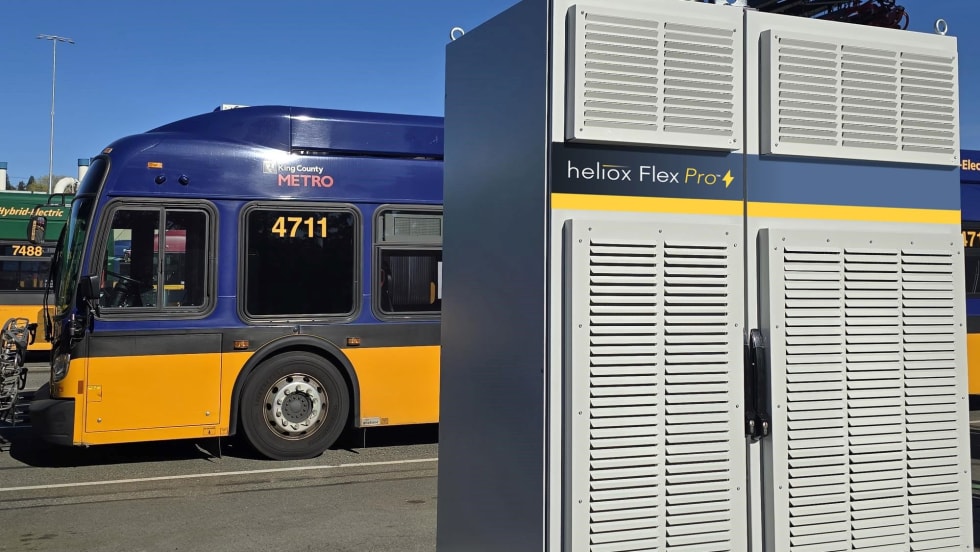
King County Test Heliox Chargers, Keolis Lands California Contract Top Biz Briefs
Stay informed with these quick takes on the projects and companies driving progress across the transportation landscape.
Read More →
Spare Expands AI-Native Operations Platform With Fixed-Route Capabilities
The launch marks a major milestone in Spare’s vision for unified transit operations.
Read More →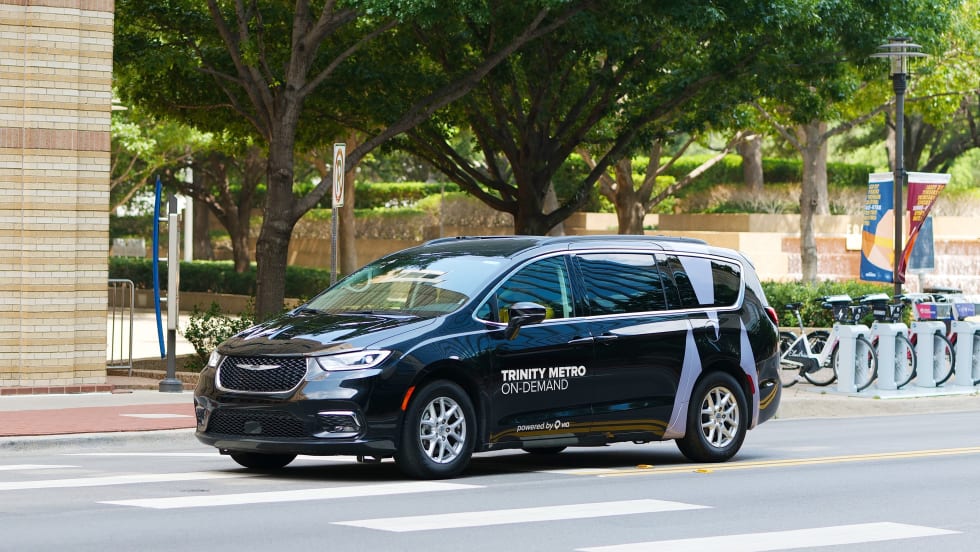
Via Announces Scheduling and Supply Studio
The Scheduling and Supply Studio provides the world’s first fully integrated platform for optimizing vehicle and driver availability to rider demand, said company officials.
Read More →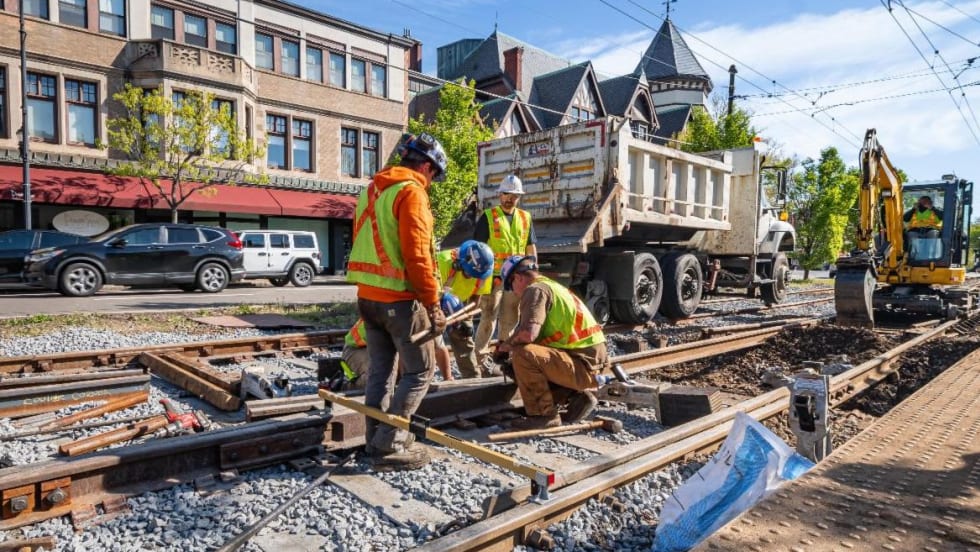
Boston's MBTA Completes Latest Green Line Work
The work took place during 12 consecutive days of shuttle bus service replacement between Kenmore and Cleveland Circle.
Read More →