



House, Senate strike stimulus accord
Washington Post reports that the final amount of spending for highway, bridge and rail construction projects may be $49.6 billion, which is higher than what was originally proposed by both the House and Senate.

One day after the U.S. Senate passed an $838 billion version of the American Recovery and Reinvestment Plan of 2009, a compromise was struck with the $819 billion House version passed in January, creating a reconciled version worth $789 billion.
In their original forms, the House version allocated approximately $42 billion toward transportation infrastructure, with $30 billion dedicated to highway and bridge construction projects. The Senate version allocated about $46 billion, with $27 billion slotted for transportation infrastructure.
The Washington Post reports that the final amount of spending for highway, bridge and rail construction projects may be $49.6 billion, which is higher than what was originally proposed by both the House and Senate.
Besides funds for transportation infrastructure and highway and bridge construction projects, other monies will go toward a host of areas, including capital investment grants for new commuter rail or other light systems, modernizing existing transit systems, improving intermodal facilities and public transportation equipment, intercity passenger rail service, and airport improvement grants.
It was hoped that the bill would be signed by President Barack Obama by Friday; however, it appears more likely that he may sign the bill on President’s Day, according to published reports.
More Paratransit

Reinventing Fleet Maintenance with Real-time Visibility and AI
Transit leaders need to know what needs fixing, where to look, who is responsible, when work is completed, and what it costs without having to chase information across disconnected systems.
Read More →
SamTrans Sets Priorities for Potential Connect Bay Area Revenue
The board-approved framework allocates future funding to maintaining service, rider improvements, equity initiatives, and infrastructure repairs.
Read More →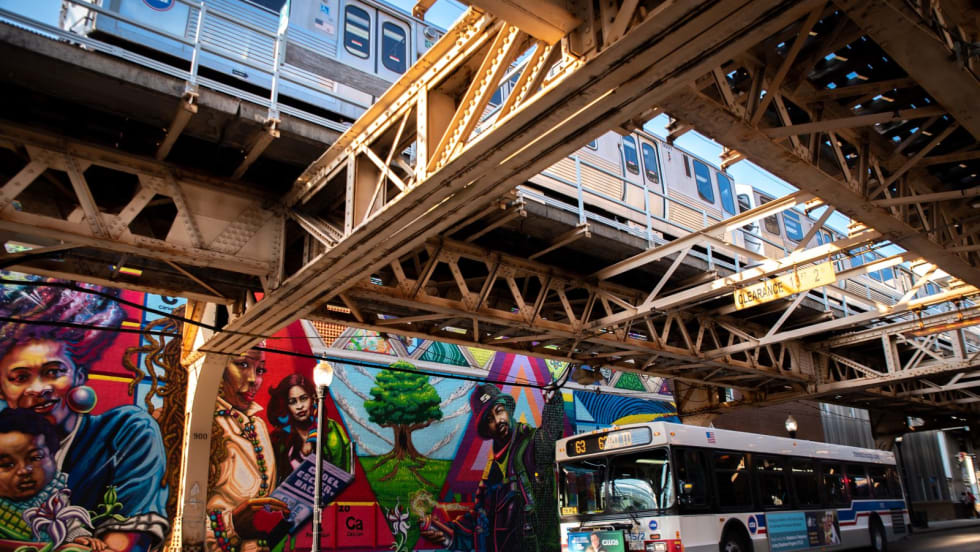
Chicago's NITA Act Moves Into Next Phase as Service Improvements Begin
Rider-focused improvements will begin rolling out across the system immediately as CTA, Metra, and Pace increase service this summer in the six-county region.
Read More →
A True Low-Floor Minibus Design Delivers Better Accessibility and Efficiency for Everyone
As transit demands evolve, so should your fleet. Download the whitepaper to see how the Low-Floor Frontrunner Minibus compares to traditional options.
Read More →
2026 METRO Buyer’s Guide & Directory
Searching for the right vehicles, technology, equipment, or services for your public transit or motorcoach operation? This industry guide brings together manufacturers and suppliers from across the transportation market — all in one place. Download it to connect with the companies that help agencies and operators improve mobility, enhance operations, and move their organizations forward.
Read More →
Rays the Mark Foundation to Honor CDTA’s Emily DeVito at October Fundraiser
Event at Chicago-area Ravisloe Country Club will support DeVito, a transit employee and mother of twins battling kidney failure and awaiting a transplant.
Read More →
King County Test Heliox Chargers, Keolis Lands California Contract Top Biz Briefs
Stay informed with these quick takes on the projects and companies driving progress across the transportation landscape.
Read More →
Spare Expands AI-Native Operations Platform With Fixed-Route Capabilities
The launch marks a major milestone in Spare’s vision for unified transit operations.
Read More →
Via Announces Scheduling and Supply Studio
The Scheduling and Supply Studio provides the world’s first fully integrated platform for optimizing vehicle and driver availability to rider demand, said company officials.
Read More →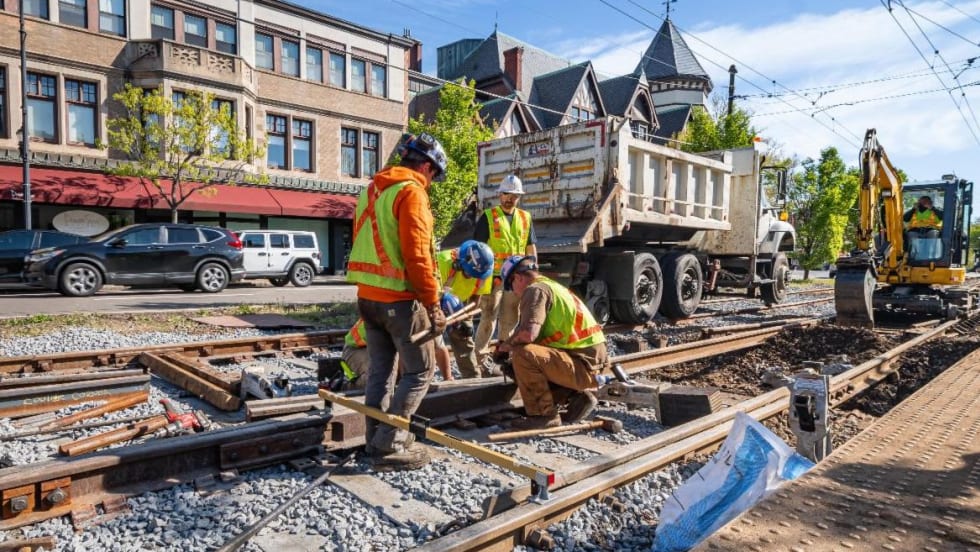
Boston's MBTA Completes Latest Green Line Work
The work took place during 12 consecutive days of shuttle bus service replacement between Kenmore and Cleveland Circle.
Read More →