



FEMA announces $970M in preparedness grants
$25 million allocated for Amtrak to protect critical surface transportation infrastructure and the traveling public from acts of terrorism, major disasters and other emergencies within the Amtrak rail system.

The Department of Homeland Security’s (DHS) Federal Emergency Management Agency announced Wednesday final allocations for Fiscal Year (FY) 2009 Preparedness Grants for 10 federal grant programs, totaling nearly $970 million in federal funding to assist state, local and tribal governments, and private industry in strengthening community preparedness.
Awards will be made on a rolling basis over the summer. From 2003 through 2009, more than $26.7 billion will have been provided to strengthen the nation’s ability to prevent, protect, respond and recover from terrorist attacks, major disasters or other emergencies, according to a DHS statement.
“Today’s grant allocations provide more transparency and openness than ever before, as stakeholder feedback drove significant improvements in the grant guidance and peer review process, increasing the value of what states get with their dollars,” said Homeland Secretary Janet Napolitano. “As we continue to expand our state, local, tribal and private sector partnerships, our combined efforts will improve and hone our grant programs, which helps us strengthen and protect individual communities and the entire nation.”
Seven years of homeland security investments have established the foundation for future preparedness initiatives from the initial start-up years, building baseline capabilities in the states and increasing cross-border and regional preparedness. The FY 2009 Preparedness Grants underline this effort by focusing on improving strategic planning and preparedness and measuring performance.
Grant program allocations for FY 2009 include:
Transit Security Grant Program (TSGP) – $388.6 million to protect critical transit infrastructure from terrorism, including:
Freight Rail Security Grant Program (FRSGP) – $15 million to target resources for security plans, vulnerability assessments, employee security awareness training and GPS tracking systems for railroad cars transporting toxic inhalation materials.
Intercity Passenger Rail (Amtrak) – $25 million for Amtrak to protect critical surface transportation infrastructure and the traveling public from acts of terrorism, major disasters and other emergencies within the Amtrak rail system.
Intercity Bus Security Grant Program (IBSGP) – $11.7 million to assist operators of fixed-route intercity and charter bus services to support security plans, facility security upgrades, and vehicle and driver protection.
Trucking Security Program (TSP) – $2.2 million to implement security improvement measures and policies that focus on the purchase, installation or enhancement of equipment and systems related to tractor and trailer tracking systems; to help develop a system for DHS to monitor, collect and analyze tracking information; and to develop plans to improve the transport and distribution of supplies and commodities during catastrophic events. DHS did not receive enough applications to fully fund the program through the initial solicitation, so only $2.2 million is being announced at this time.
Further information on preparedness grant programs is available at www.dhs.gov and www.fema.gov/grants.
More Bus
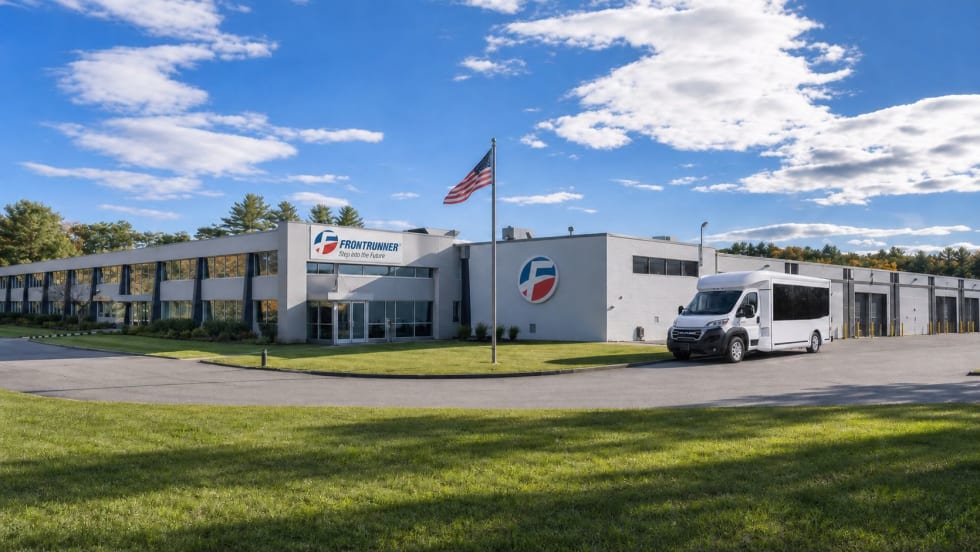
Frontrunner Bus Group Expands with New Massachusetts Headquarters
The significantly larger facility will provide the infrastructure needed to support the company’s growing workforce, advanced technologies, and expanding product line.
Read More →
Joshua Schank on Transportation Innovation, Risk, and the Future of Mobility
In this edition of METROspectives, Joshua Schank discusses lessons from launching LA Metro’s Office of Extraordinary Innovation, the challenges of advancing new mobility technologies, and much more.
Read More →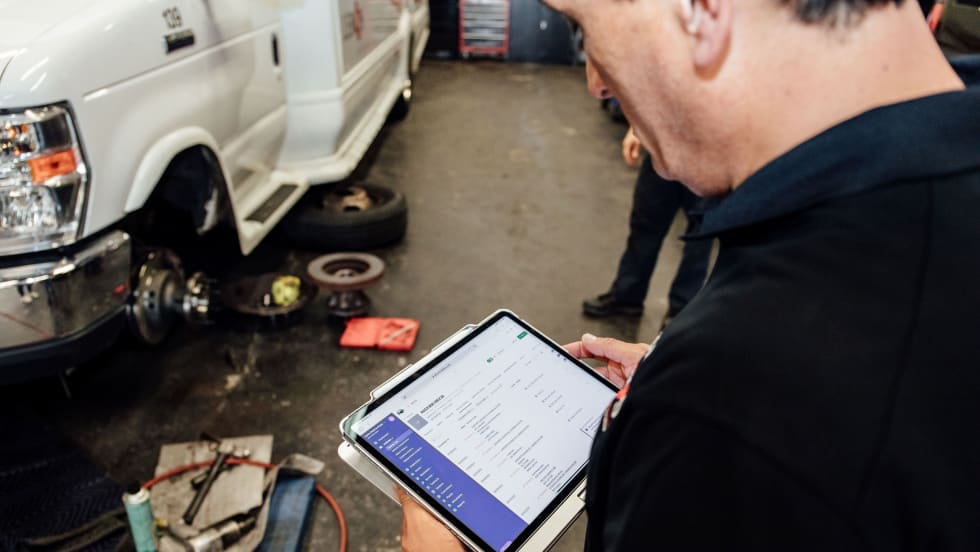
Reinventing Fleet Maintenance with Real-time Visibility and AI
Transit leaders need to know what needs fixing, where to look, who is responsible, when work is completed, and what it costs without having to chase information across disconnected systems.
Read More →
SamTrans Sets Priorities for Potential Connect Bay Area Revenue
The board-approved framework allocates future funding to maintaining service, rider improvements, equity initiatives, and infrastructure repairs.
Read More →
When Routine Fails: How Public Transit Must Adapt for the World Cup
The 2026 FIFA World Cup will test transit agencies’ ability to manage unpredictable travel patterns, making real-time data and operational flexibility critical to moving millions of visitors efficiently.
Read More →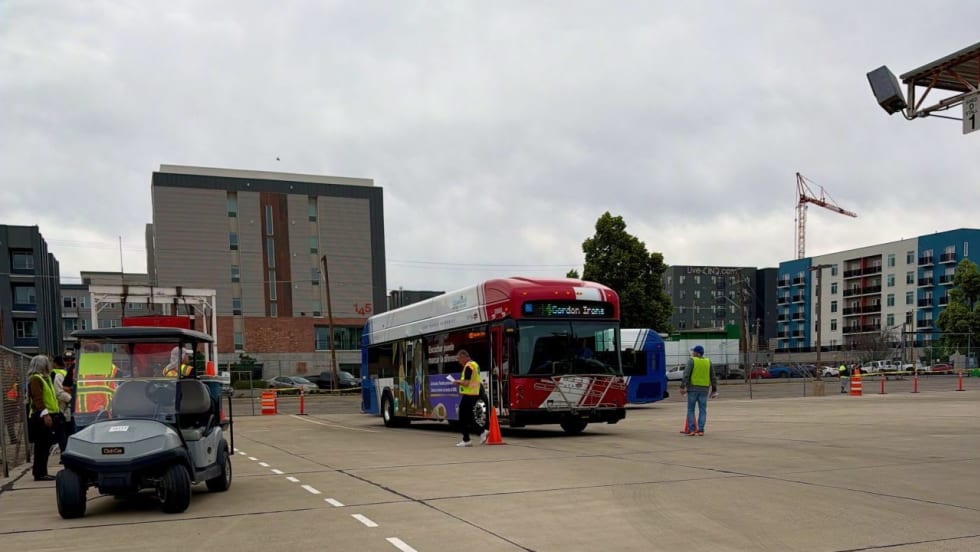
Photo Highlights from APTA's 2026 Mobility Conference
The photo gallery captures scenes from the conference, including the International Bus Roadeo, exhibit hall activities, the Bus Showcase, and much more.
Read More →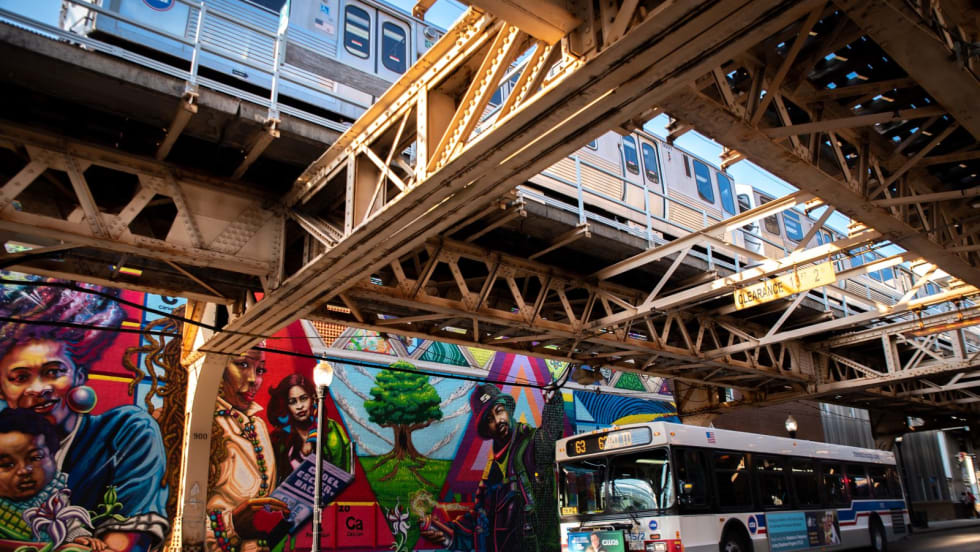
Chicago's NITA Act Moves Into Next Phase as Service Improvements Begin
Rider-focused improvements will begin rolling out across the system immediately as CTA, Metra, and Pace increase service this summer in the six-county region.
Read More →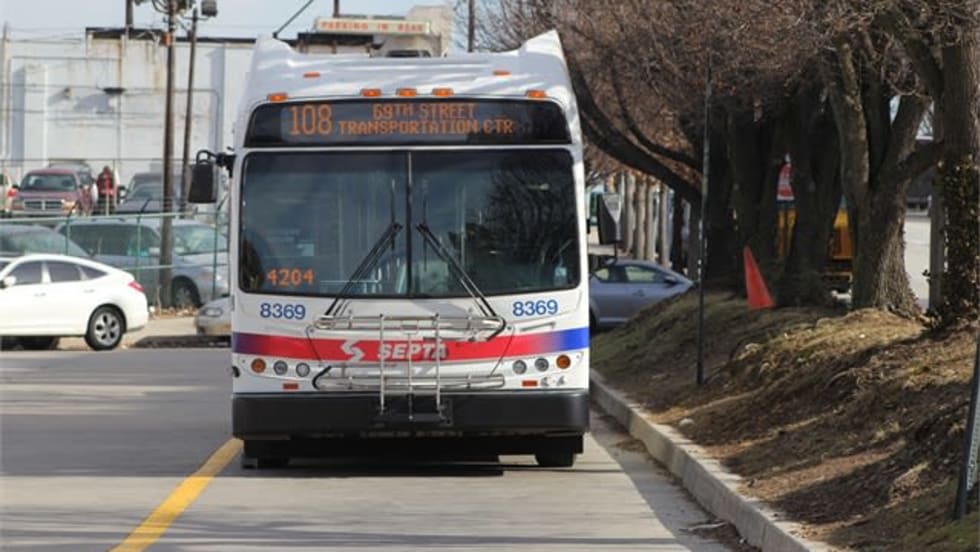
Philadelphia's SEPTA Approves Annual Transit Service Plan
Between 2021 and 2024, SEPTA held more than 200 public meetings — including 144 in-person sessions — throughout the SEPTA service region.
Read More →
A True Low-Floor Minibus Design Delivers Better Accessibility and Efficiency for Everyone
As transit demands evolve, so should your fleet. Download the whitepaper to see how the Low-Floor Frontrunner Minibus compares to traditional options.
Read More →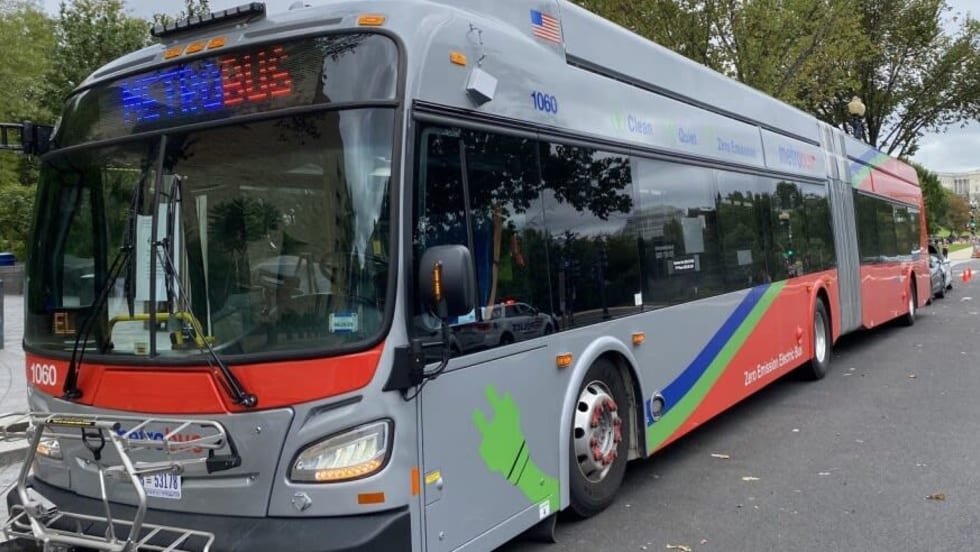
WMATA Debuts 'Fares Pay for Service' Awareness Campaign
The campaign was highlighted during a media event at the Paul S. Sarbanes Transit Center in Silver Spring, where WMATA’s GM/CEO Randy Clarke joined Metro Transit Police officers, WMATA management team, board members, and staff to expand fare enforcement and customer education efforts on Metro Bus routes throughout the region.
Read More →