



IBM equips Taiwan with high-speed rail software
Using IBM software for insight into assets, their conditions and work processes, and for better planning and control, has helped THSRC maintain an average punctuality rate of 99.15 percent, according to the company.

The Taiwan High Speed Rail Corp. (THSRC) is using IBM software to manage maintenance and logistics for its high-speed rail network that runs along the west coast of Taiwan. IBM is providing vital support to the management and maintenance systems that make sure hundreds of trains carrying passengers between the south and the north are safe and on time.
The express trains are capable of traveling at up to 186 miles per hour meaning travel between Taipei City and Kaohsiung City is only roughly 90 minutes as opposed to the 4.5 hours by conventional rail. The efficiency of the THSRC's transportation system is heavily dependent on the proper maintenance and repair of thousands of components, from stations to tracks, rail cars, signals and communications.
Cumulative passenger numbers have reached 4.65 million, with THSRC operating a total of 70,915 trains in its two-year history. Using IBM software for insight into assets, their conditions and work processes, and for better planning and control, has helped THSRC maintain an average punctuality rate of 99.15 percent, according to the company.
Currently there are eight stations in service with THSRC, with another four stations along the western corridor planning to tap into the system in the near future. Coordinated and integrated maintenance and logistics management is paramount to deploying proper resources in a timely manner to prevent travel disruptions and risks to passenger safety.
THSRC uses IBM Maximo software for its Maintenance Management Information System includes asset management, work order scheduling, project management, inventory management, resources management, purchase management and application interface.
"Passenger safety is our top priority," said Ming-Der Lee, manager, maintenance management information system, Taiwan High Speed Rail Corp. "IBM's software helps us build an intelligent transportation system designed to meet the growing demand for safe, high-speed travel."
THSRC reports that in each of the last three months, more than 10,000 work orders and more than 95 percent of the maintenance man-hours had been filed through the system. The IBM software helps ensure the accuracy of information within the system. This interface allows the management system to receive alarm messages and maintenance data. When the alarm messages are received, the management system automatically processes work requests.
The THSRC Maintenance Management Information System uses IBM software to manage more than 300,000 entries from communication systems, driving simulators, passenger trains to railway systems and signal control. The information is aligned with inventory and asset management to help THSRC determine priority and timing of repairs and maintenance. Some assets, for example the large substations, must be maintained at specific times of operation, making the efficient management of the collective sum of maintenance requirements crucial.
The work order component of the IBM software is the core of the management system with functions such as work order filing, man-hour statistics, materials consumption status and working procedure permission. The software provides three types of work orders -- preventative maintenance, corrective maintenance and emergent repair. The work orders are integrated with scheduling and further integrated with updates on status and maintenance progress to ensure the utmost efficiency of parts and labor for maintaining the rail system.
More Rail

The Invisible Infrastructure of Passenger Flow
What a seat reservation system on Austria’s Railjet trains reveals about the future of rider experience, and why U.S. agencies should pay attention.
Read More →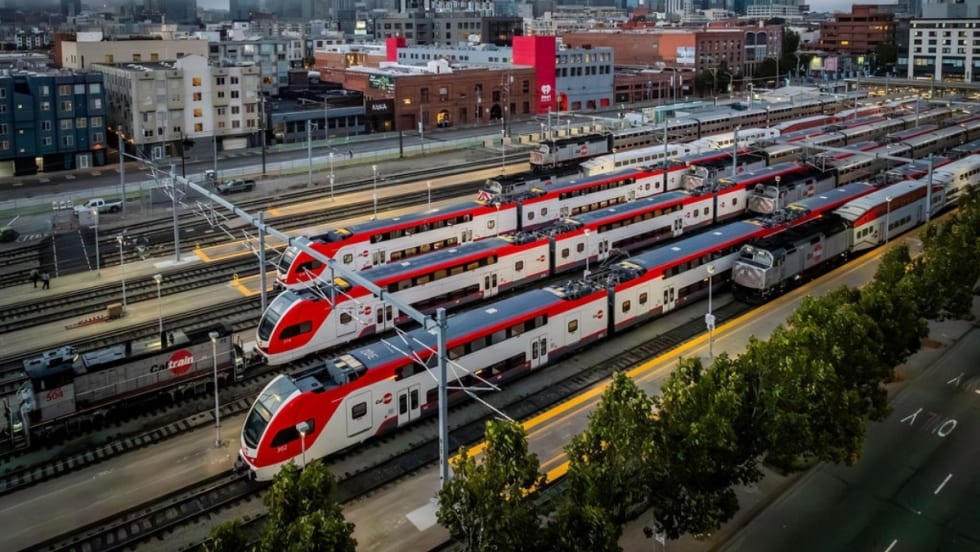
Caltrain Board Approves FY27 Budget, Endorses Efficiency Measures
The move ensures Caltrain service will continue operating as usual in the near term, but long-term financial challenges remain for the rail agency absent a new revenue source.
Read More →
Alstom Acquires Delaware Site to Support Amtrak NextGen Acela Fleet
The company is investing more than $55 million to acquire and improve the property and will employ approximately 100 people at this site once it is operational.
Read More →
When Routine Fails: How Public Transit Must Adapt for the World Cup
The 2026 FIFA World Cup will test transit agencies’ ability to manage unpredictable travel patterns, making real-time data and operational flexibility critical to moving millions of visitors efficiently.
Read More →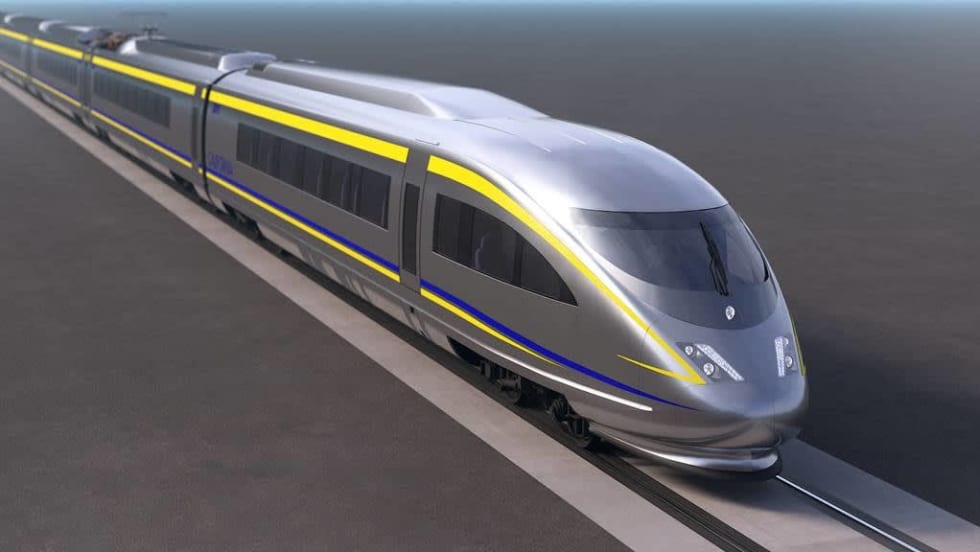
California Selects Team for Nation’s First True High-Speed Rail Track and Systems Contract
The board action follows completion of track installation at the 150-acre southern railhead in Kern County, which will serve as the staging and distribution hub for high-speed track and systems installation.
Read More →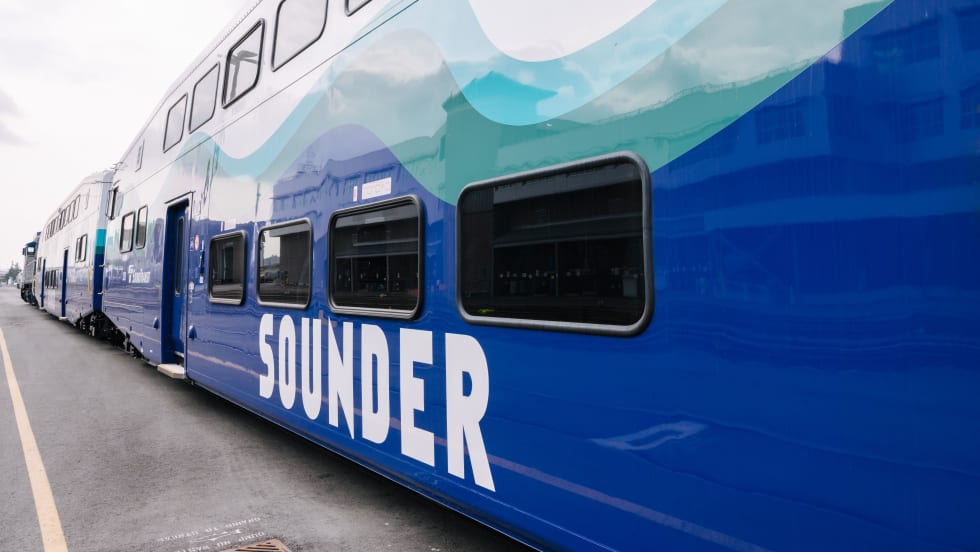
Seattle's Sound Transit Launches New Sounder Railcars into Service
Alstom manufactured all the cars under a $46.5 million contract and came into service in anticipation of summer crowds for soccer and baseball.
Read More →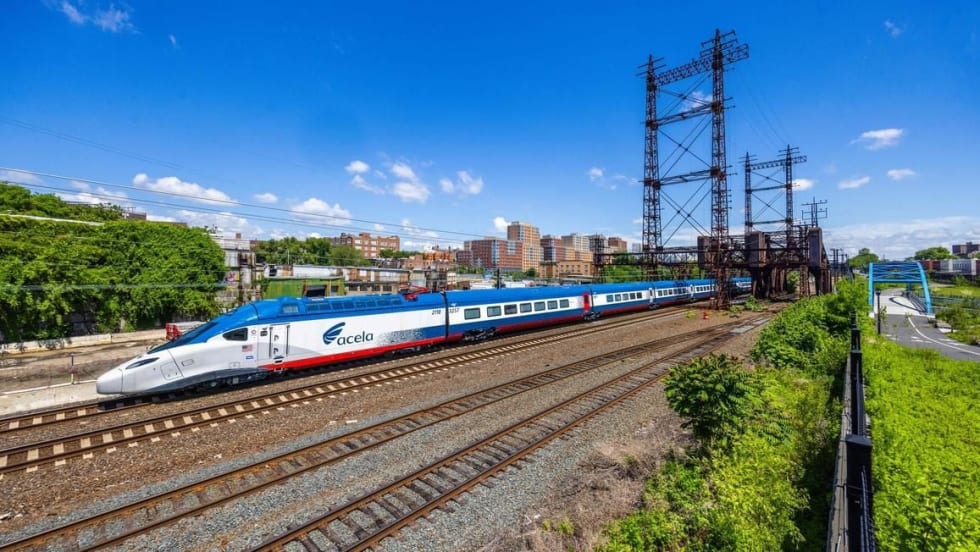
Alstom Partners With Universities to Build Rail Talent Pipeline
The partnerships include a new engineering scholarship fund at Alfred State College in Western New York and collaborations with transportation centers at the University of Pennsylvania and New York University.
Read More →
Chicago's NITA Act Moves Into Next Phase as Service Improvements Begin
Rider-focused improvements will begin rolling out across the system immediately as CTA, Metra, and Pace increase service this summer in the six-county region.
Read More →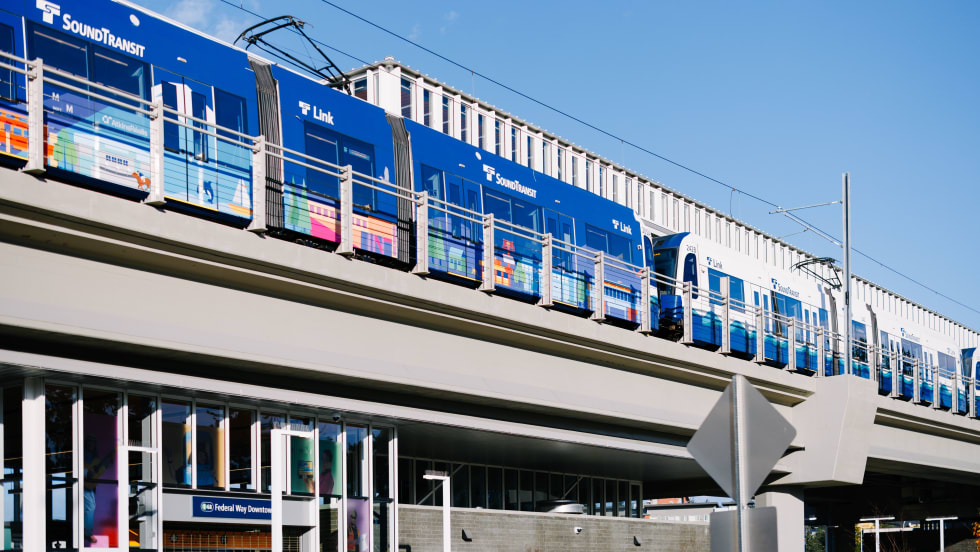
Seattle’s Sound Transit Adopts Updated ST3 System Plan
The updated system plan incorporates cost savings across the agency, including new revenue sources and financial policies, to set the agency on a sustainable path for the future.
Read More →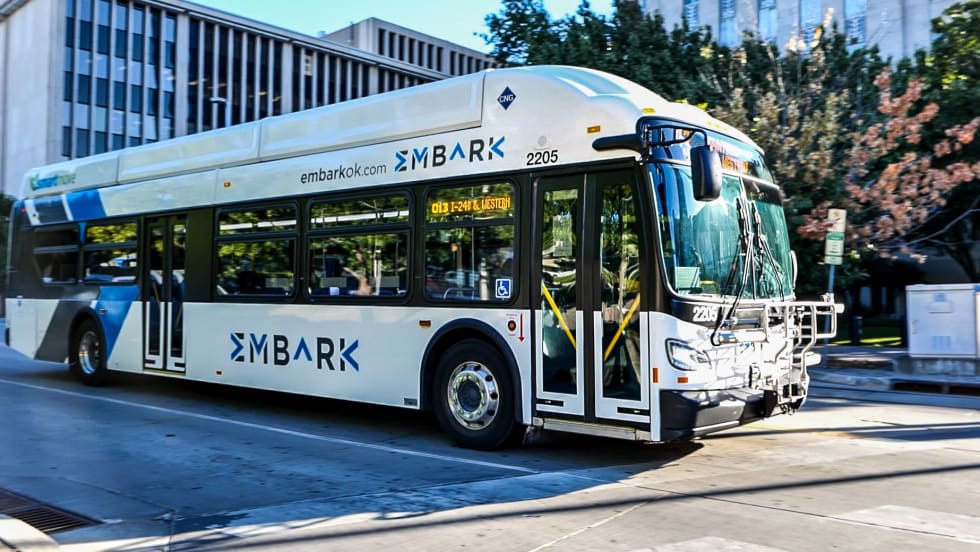
Inside Look: EMBARK Expands Fare-Free Transit Program Through New Public-Private Partnership
The OKC transit agency says sponsorship helps subsidize the Third Friday Free initiative while reducing barriers for first-time riders and boosting ridership across buses, streetcars, and river cruises.
Read More →